





Table of Contents Show
Making and selling crafts online has become one of the most popular ways to turn creative hobbies into steady income. Simple crafts can generate real profit with minimal startup costs and basic materials most people already have at home.
The key is choosing projects that don’t require advanced skills but still appeal to buyers looking for handmade items.
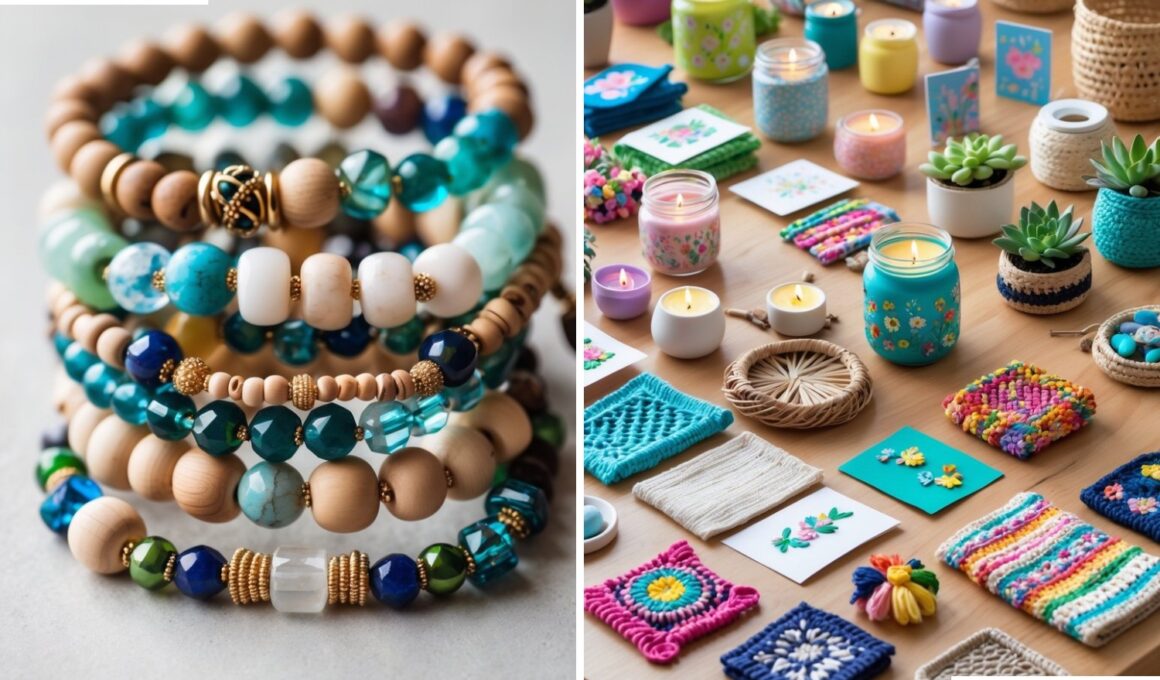
I’ve selected 19 craft ideas that balance ease of creation with market demand. These projects range from jewelry and home decor to accessories and seasonal items.
Each craft can be completed in a few hours or less, making them perfect for busy schedules while still producing quality products that customers want to buy.
1. Handmade Beaded Bracelets
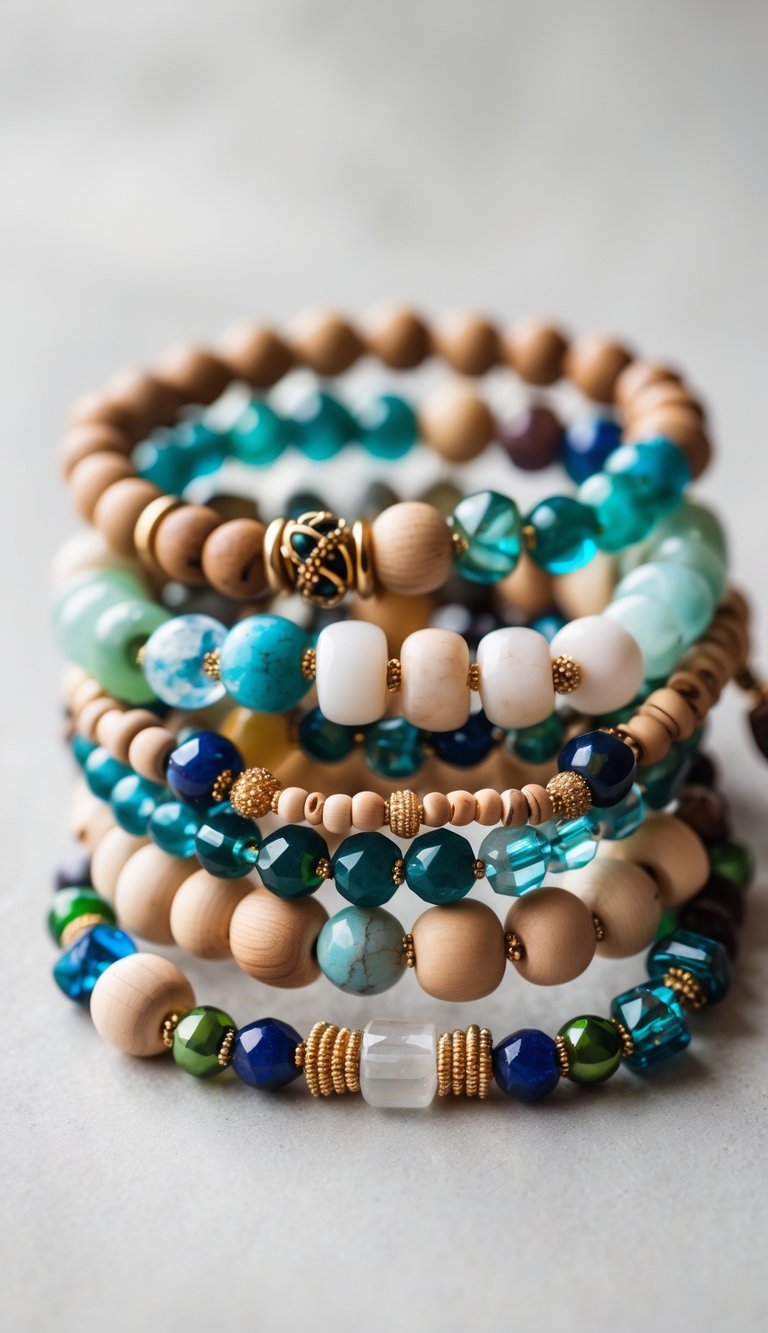
I find beaded bracelets are perfect for beginners who want to start selling crafts online. They require minimal supplies and can be made in just 30 minutes.

For People Who Love to Make Things ✂️
I use colorful beads, stretch cord, and basic tools to create unique designs that customers love.
2. Personalized Mason Jar Candle Holders
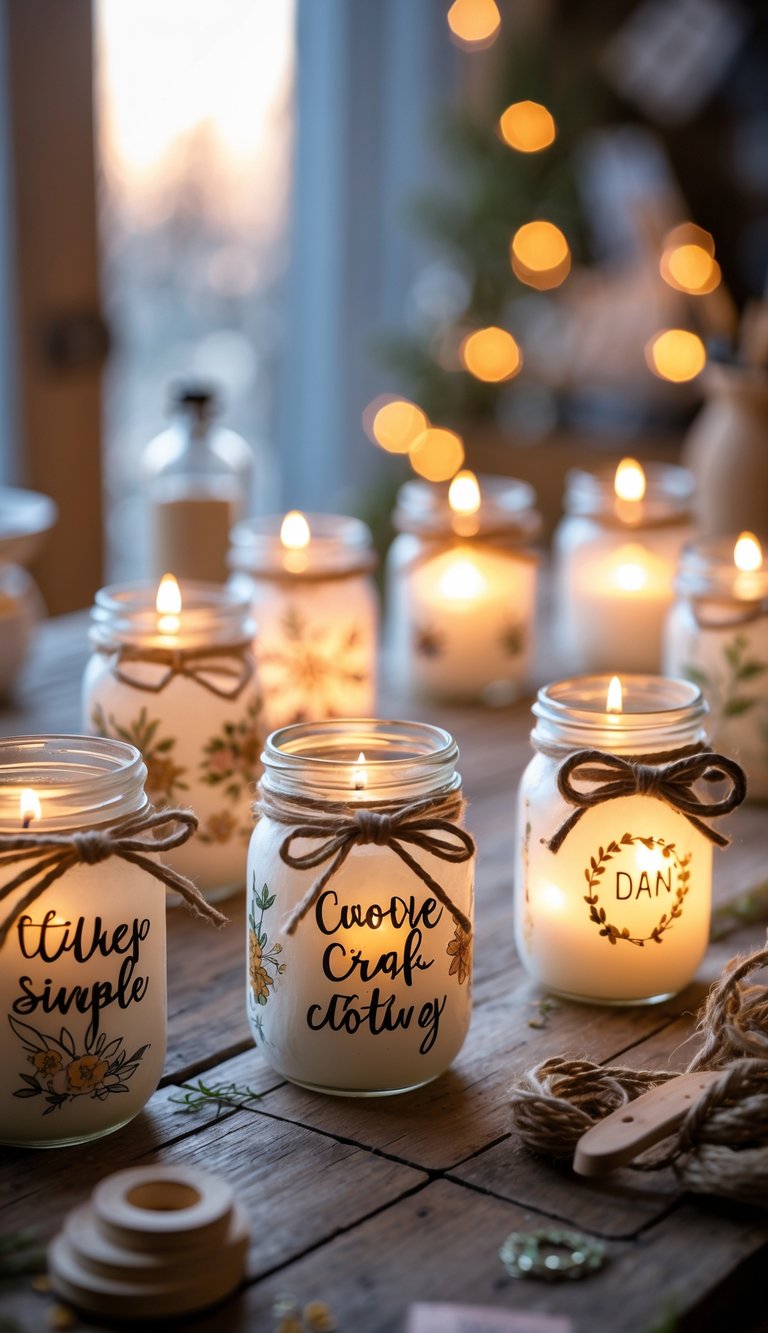
I find mason jar candle holders are simple yet elegant crafts. You can fill the bottom with sand, pebbles, coffee beans, or colorful marbles to hold candles steady.
These holders make incredible gifts and sell quickly on Etsy or eBay.
3. Custom Resin Coasters
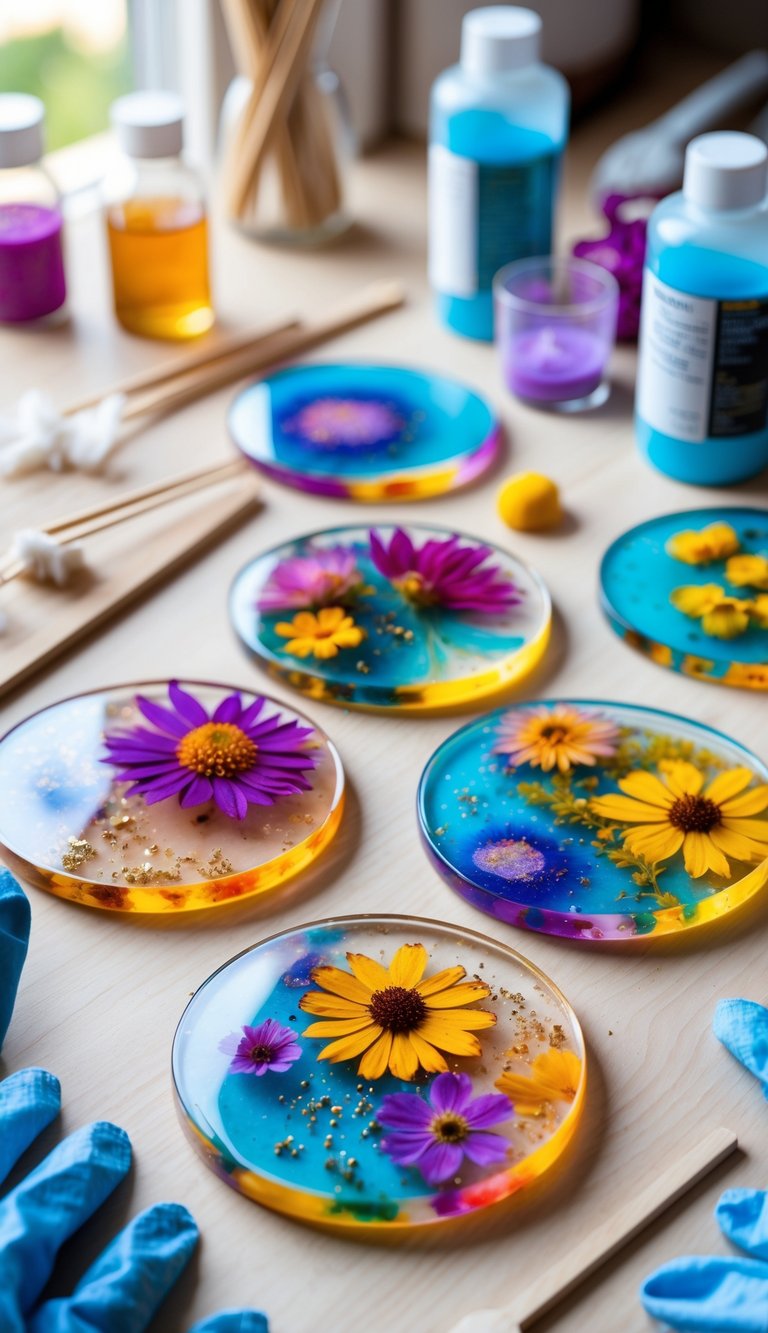
I recommend resin coasters as a profitable craft to sell online. They’re simple to make using molds and resin.
These coasters are durable and strong. I can add glitter, dried flowers, or colors to make unique designs.
The market demand stays high for functional home decor items.
4. Macrame Plant Hangers
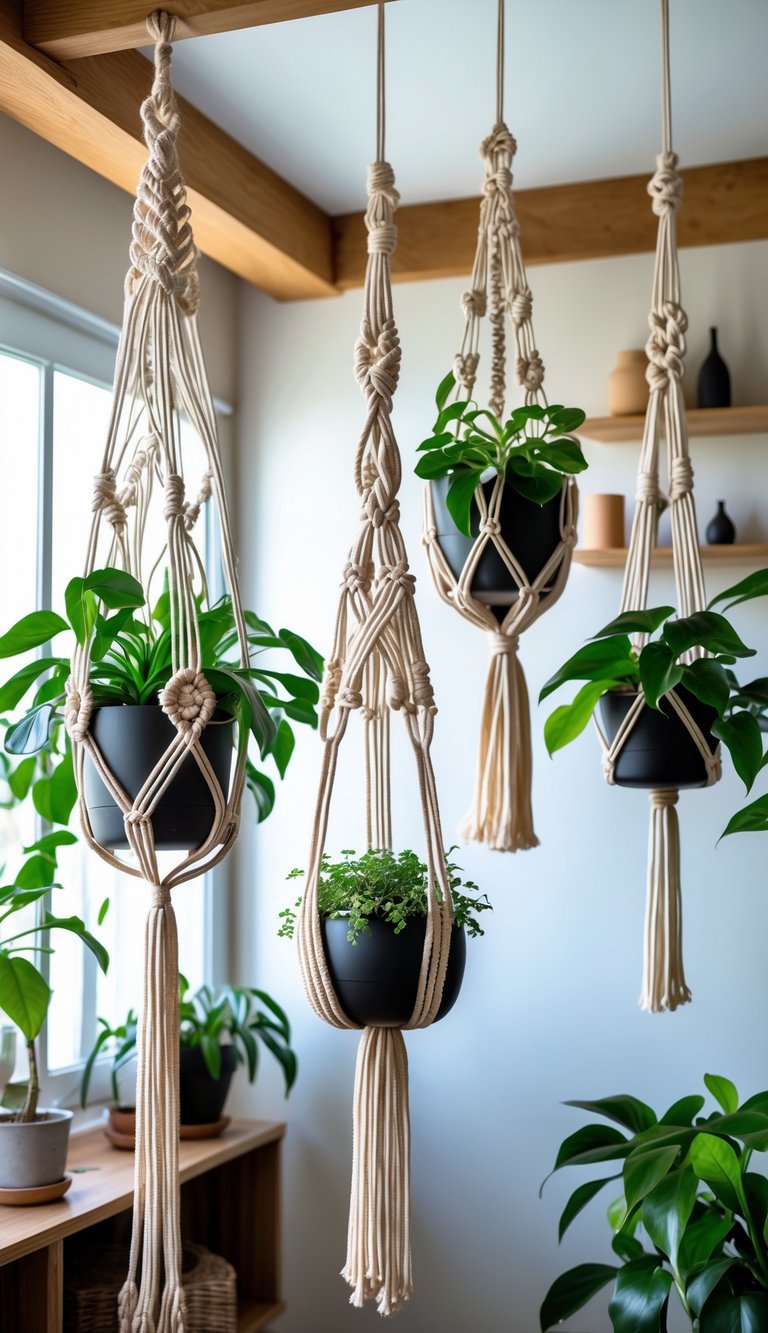
Macrame plant hangers are perfect for beginners. I find them easy to make with basic knotting skills.
These hangers sell well online because people love boho home decor. They’re budget-friendly to make and profitable.
I can create different styles for various skill levels and customer preferences.
5. Hand-Painted Wooden Spoons
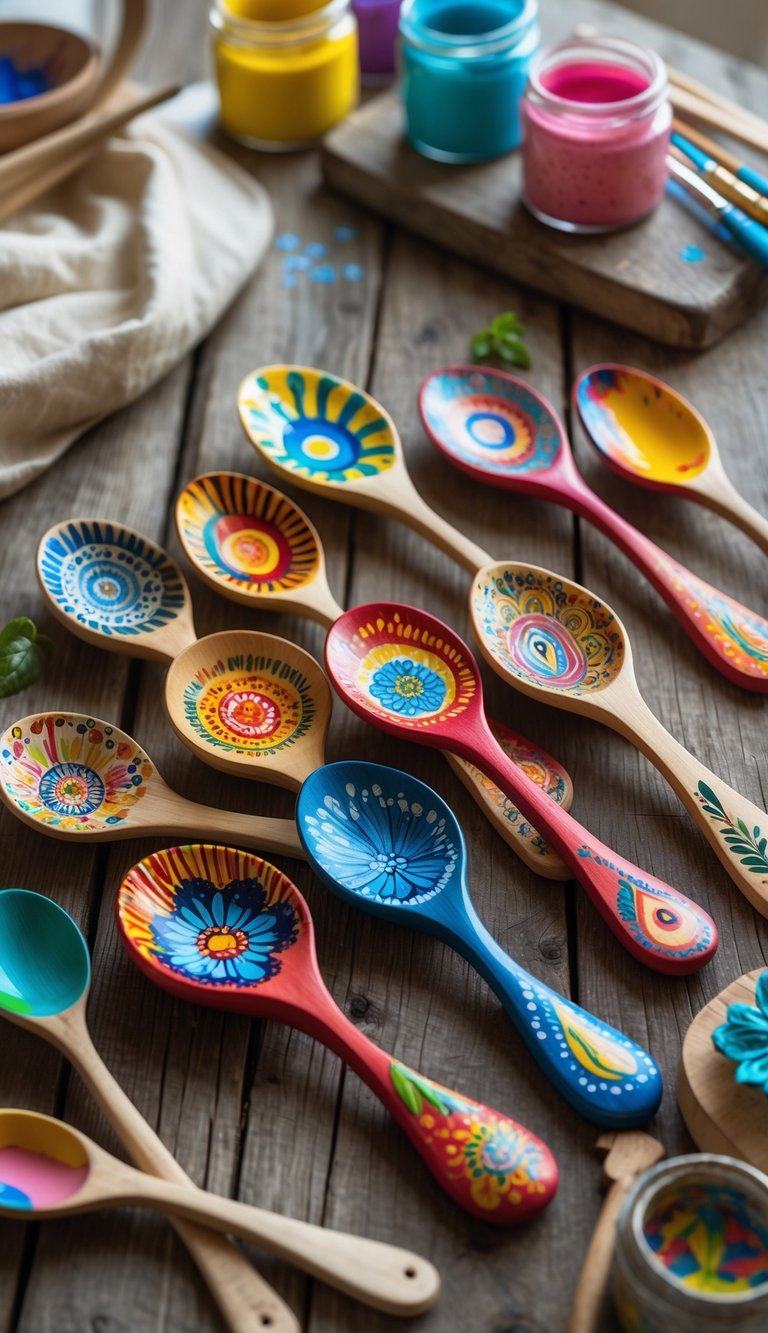
I find wooden spoons are perfect for beginners. They cost less than a dollar each at most stores.
I use acrylic paint to create simple designs like hearts, stripes, or dots. The paint dries quickly and stays on well.
These sell great as kitchen gifts or housewarming presents online.
6. Knitted Baby Booties
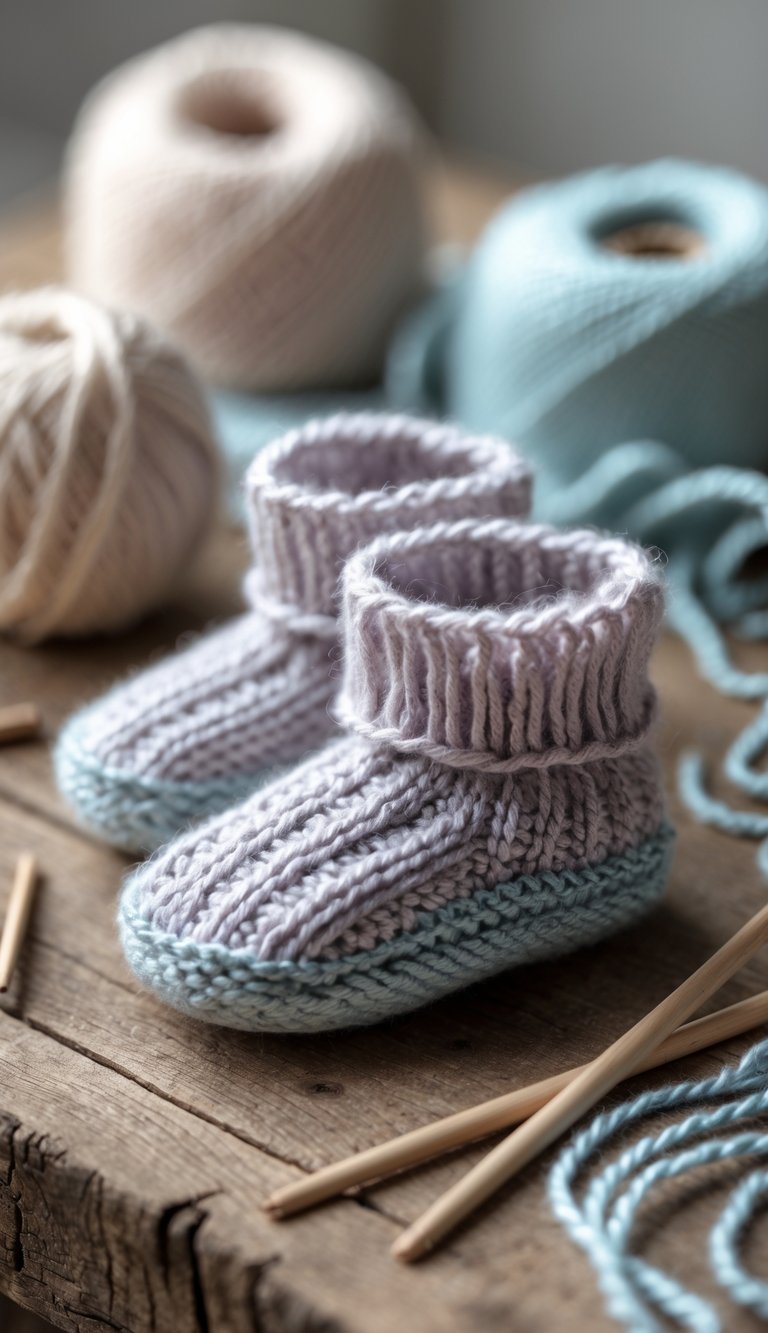
I find baby booties are perfect for new knitters. They use basic stitches and finish quickly.
Parents always need warm footwear for babies. I can make these in different colors and sizes.
The materials cost very little. I sell them for good profit margins online.
7. Crochet Phone Cases
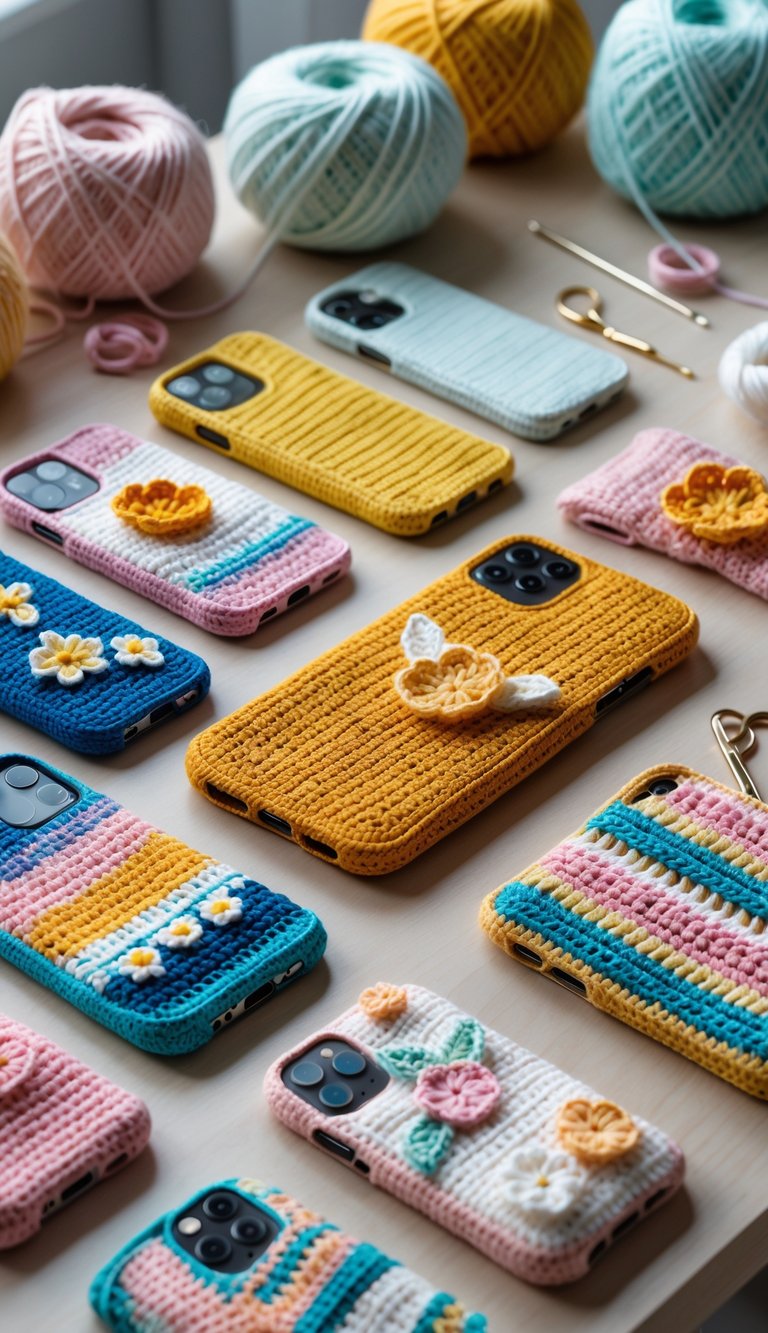
I find crochet phone cases are perfect for beginners. They use basic stitches and very little yarn.
These cases protect phones from scratches. People love personalized accessories for their devices.
You can make them quickly for instant profit.
8. DIY Scented Soy Candles
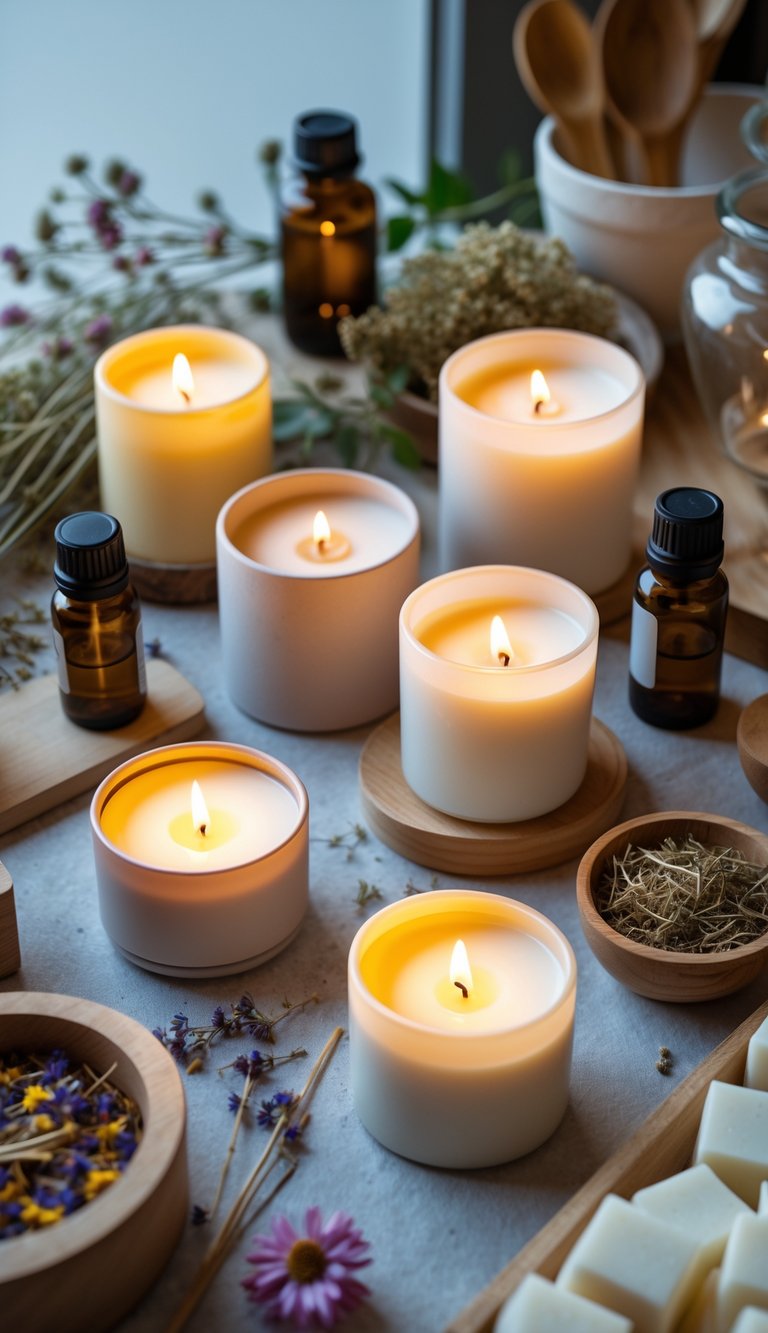
I find making soy candles one of the easiest crafts to start with. You only need soy wax, wicks, and essential oils.
The profit margins are excellent since materials cost little but finished candles sell well online.
9. Stamped Metal Keychains
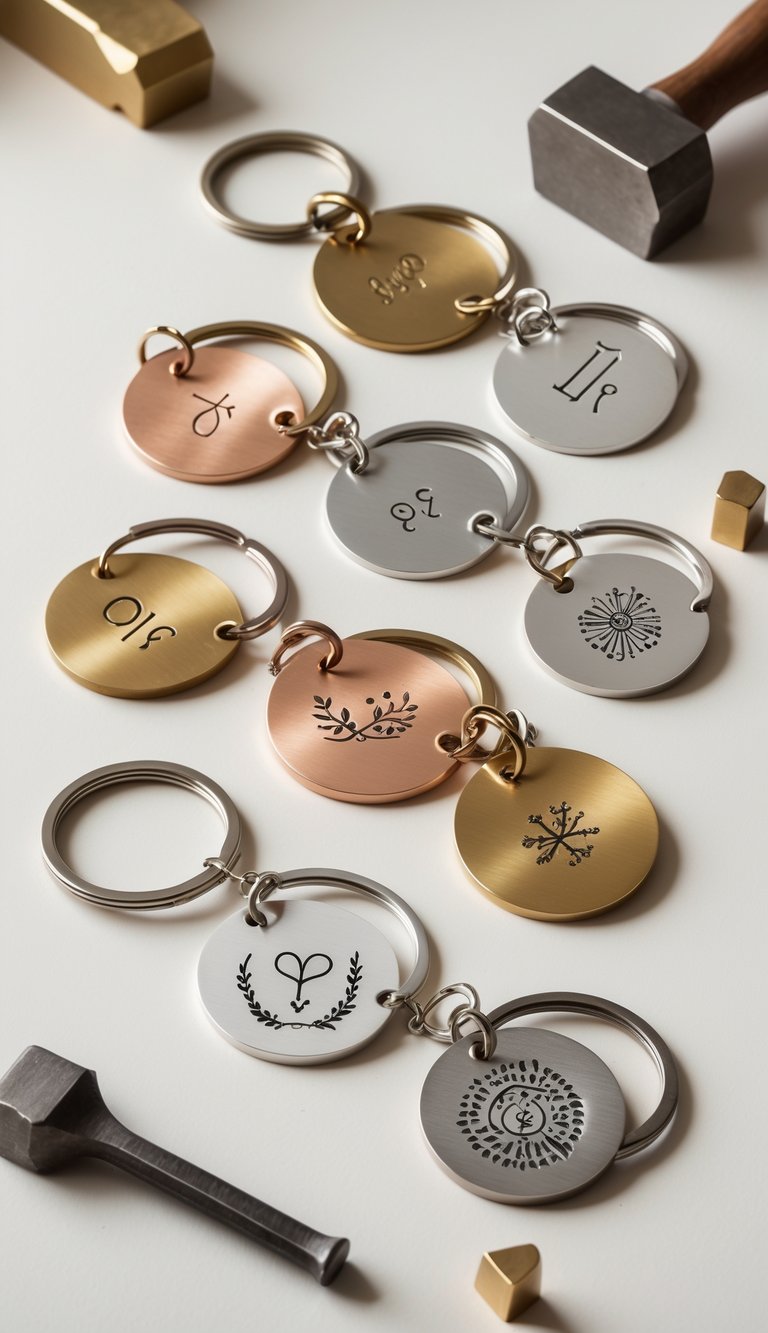
I find stamped metal keychains perfect for online selling. They’re quick to make and buyers love personalized items.
I use metal letter stamps to add names, dates, or short phrases. The basic supplies cost little but create professional results.
These keychains work great as gifts for any occasion.
10. Fabric Headbands with Bows
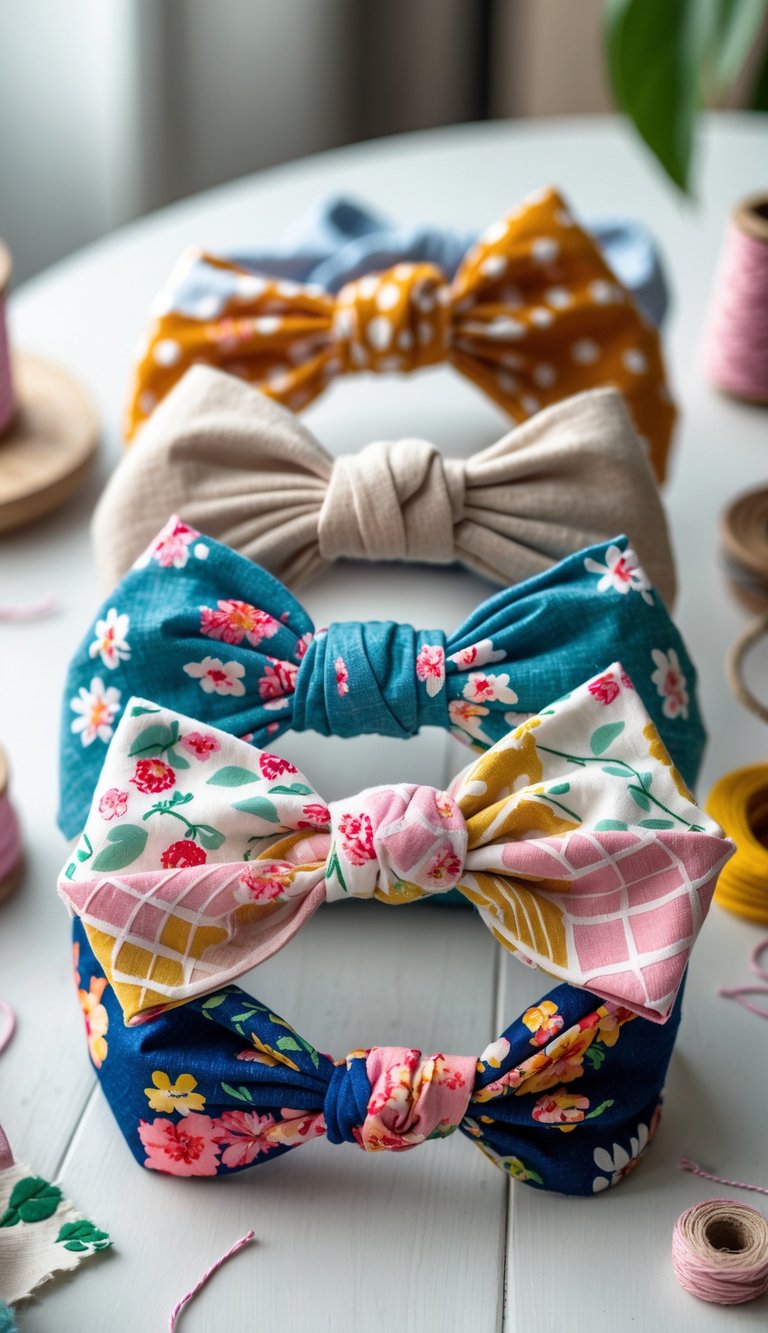
I find fabric headbands with bows are perfect beginner projects. They use small fabric scraps and basic sewing skills.
These headbands work for all ages from babies to adults. You can make them in 15 minutes with cotton or knit fabric and elastic.
11. Handmade Polymer Clay Earrings
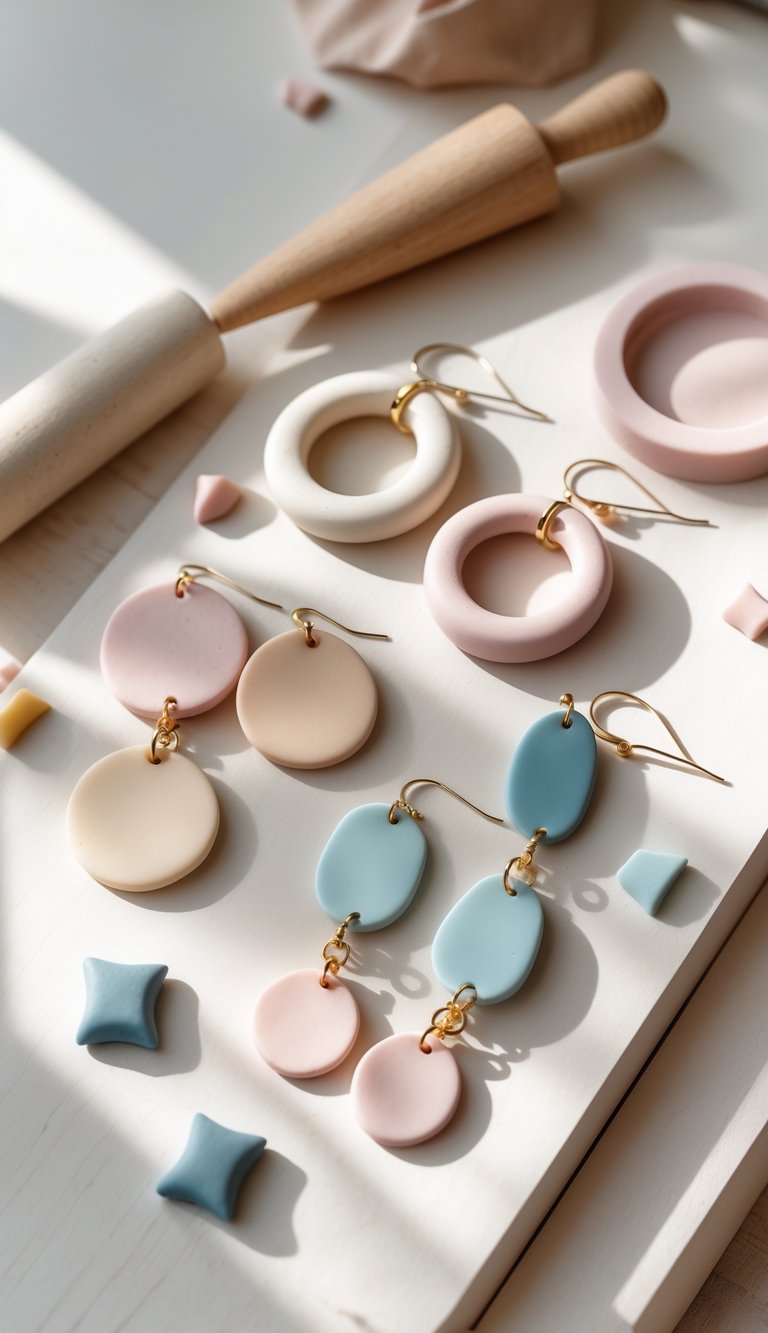
Polymer clay earrings are one of my favorite crafts to make and sell. They’re quick to create and don’t require expensive tools.
I can make several pairs in just a few hours. The clay comes in many colors and bakes hard in a regular oven.
12. Custom Painted Tote Bags
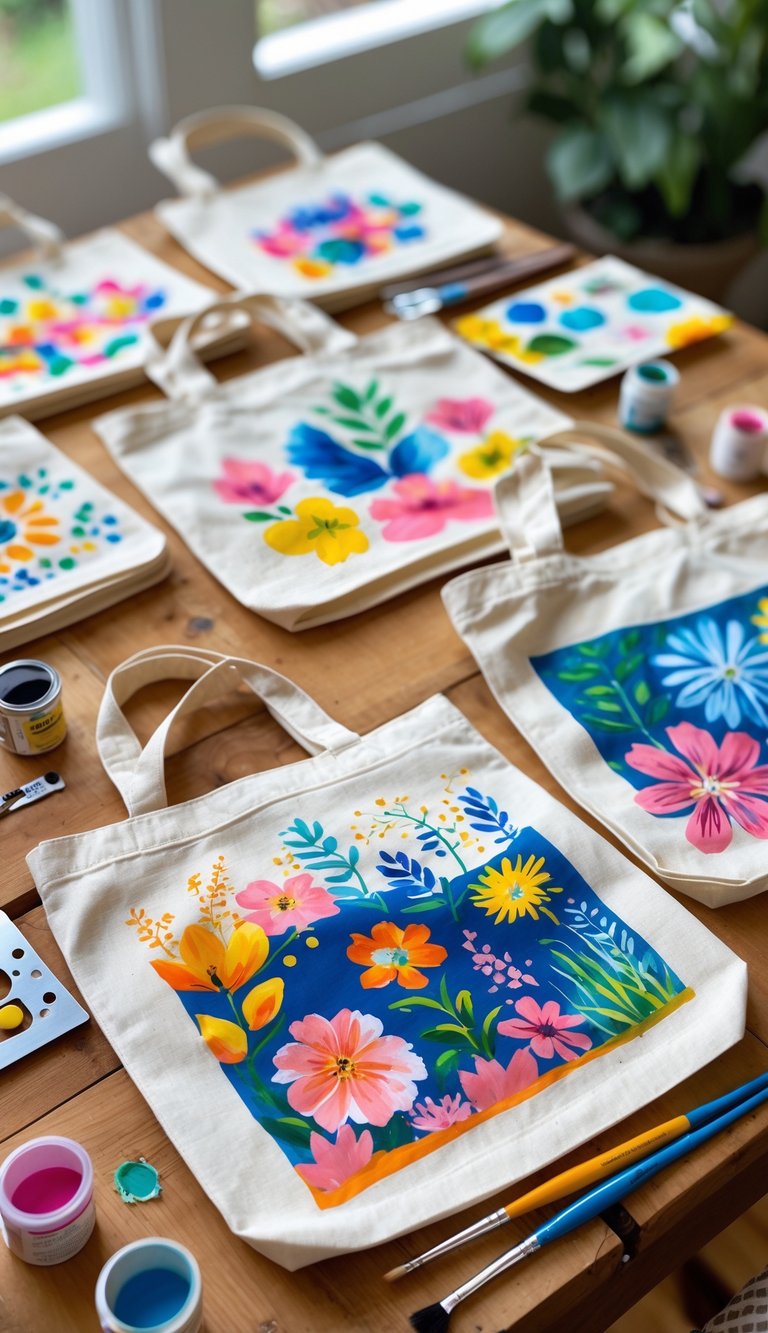
I love making painted tote bags because they’re simple and sell well. Canvas tote bags cost very little to buy in bulk.
Fabric paint works best for designs that last through washing. I use stencils for clean lines or paint freehand for unique looks.
People buy these for gifts and personal use.
13. Upcycled Denim Pouches
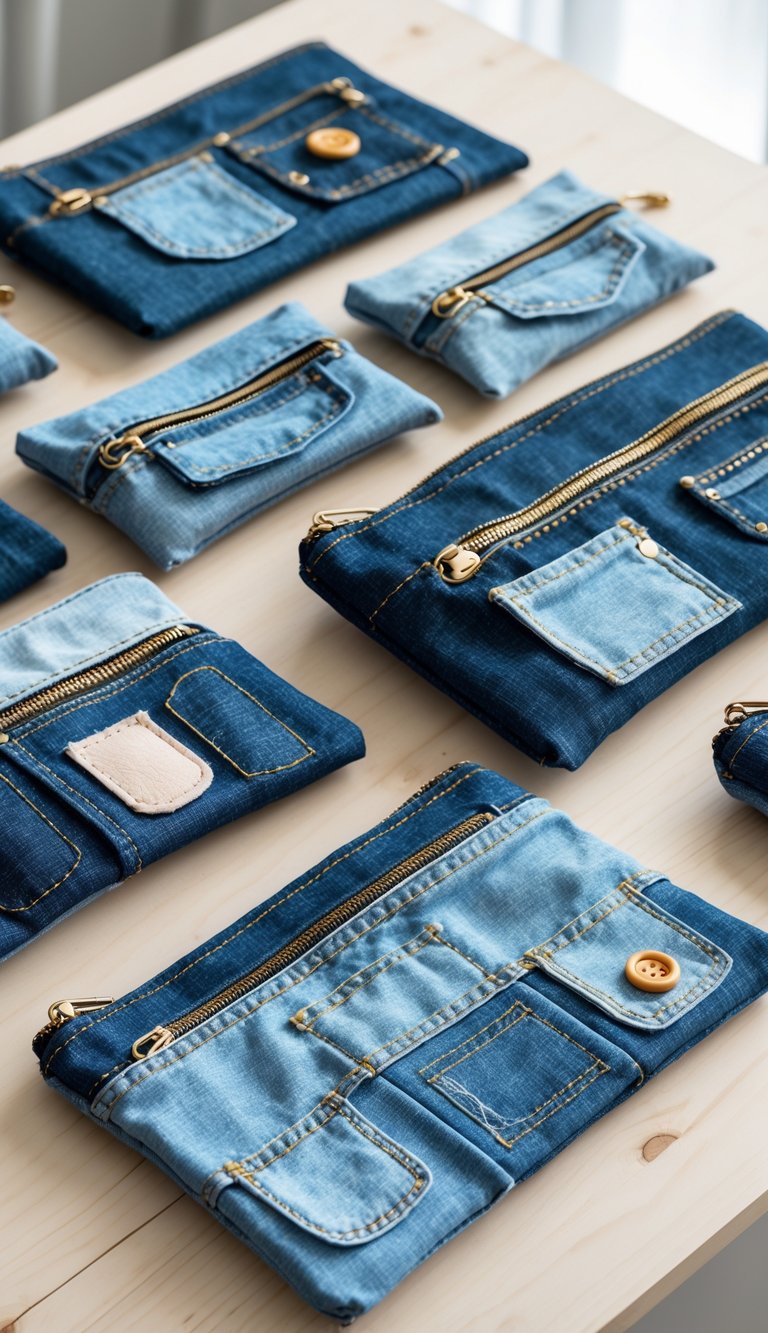
I love making pouches from old jeans because denim is strong and durable. The pockets make perfect small bags for coins or jewelry.
I cut rectangles from jean legs and sew them into simple pouches. Adding zippers makes them more useful for customers.
14. Pressed Flower Bookmarks
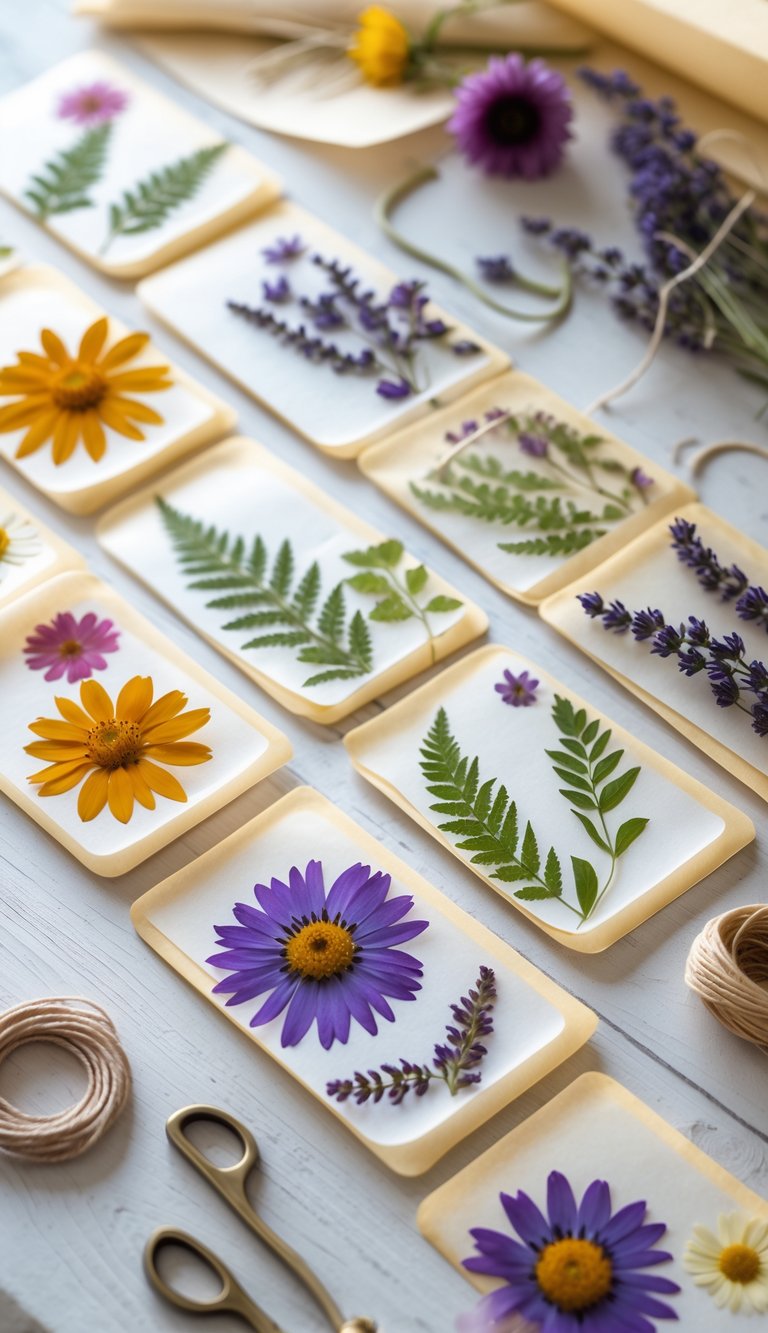
I love making pressed flower bookmarks because they’re simple and sell well online. These transparent bookmarks use dried flowers and clear materials like Mod Podge or contact paper.
The supplies cost under $2 per bookmark, making them profitable to sell.
15. Handcrafted Soap Bars
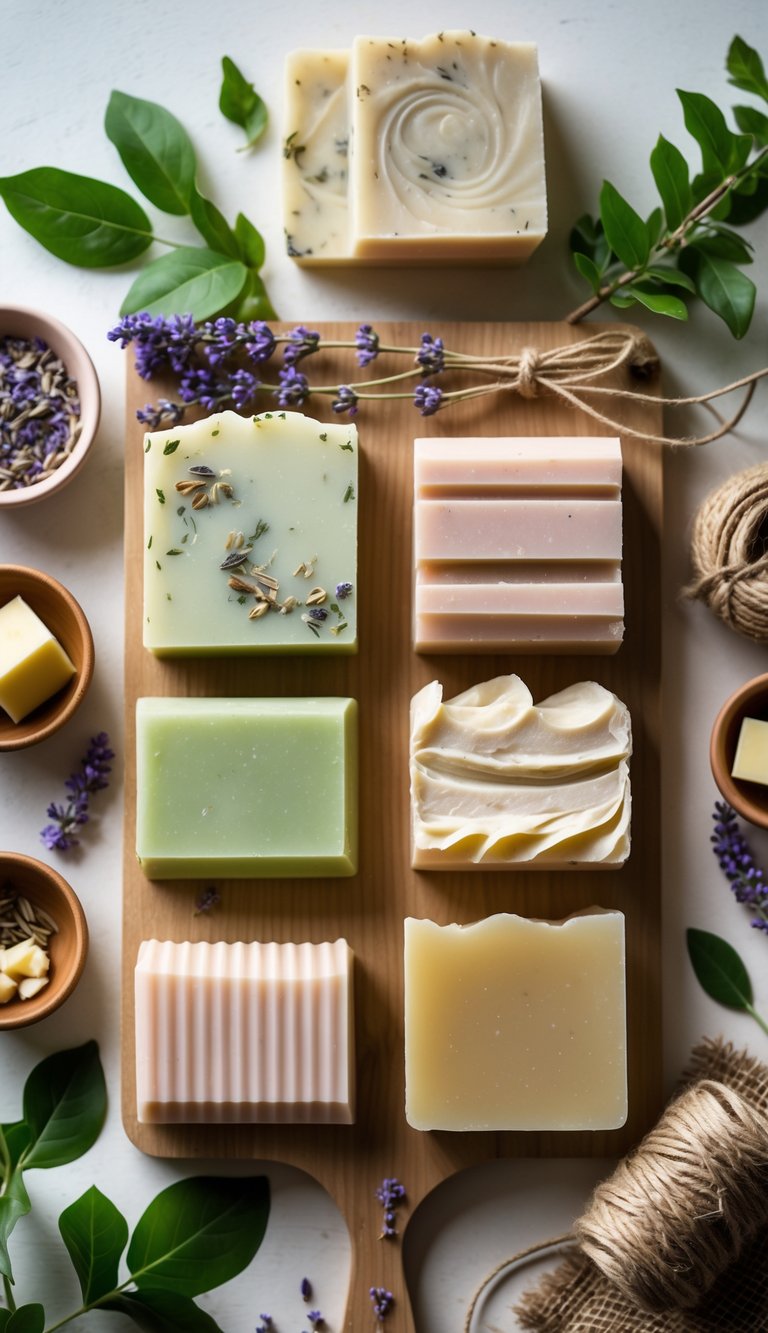
I recommend making handcrafted soap bars because they sell well online and at local markets. People want natural, unique products for their skincare routines.
You can start with simple melt-and-pour soap bases or learn to make soap from scratch using lye. Popular scents include lavender, citrus, and coffee.
16. Miniature Terrariums in Glass Jars
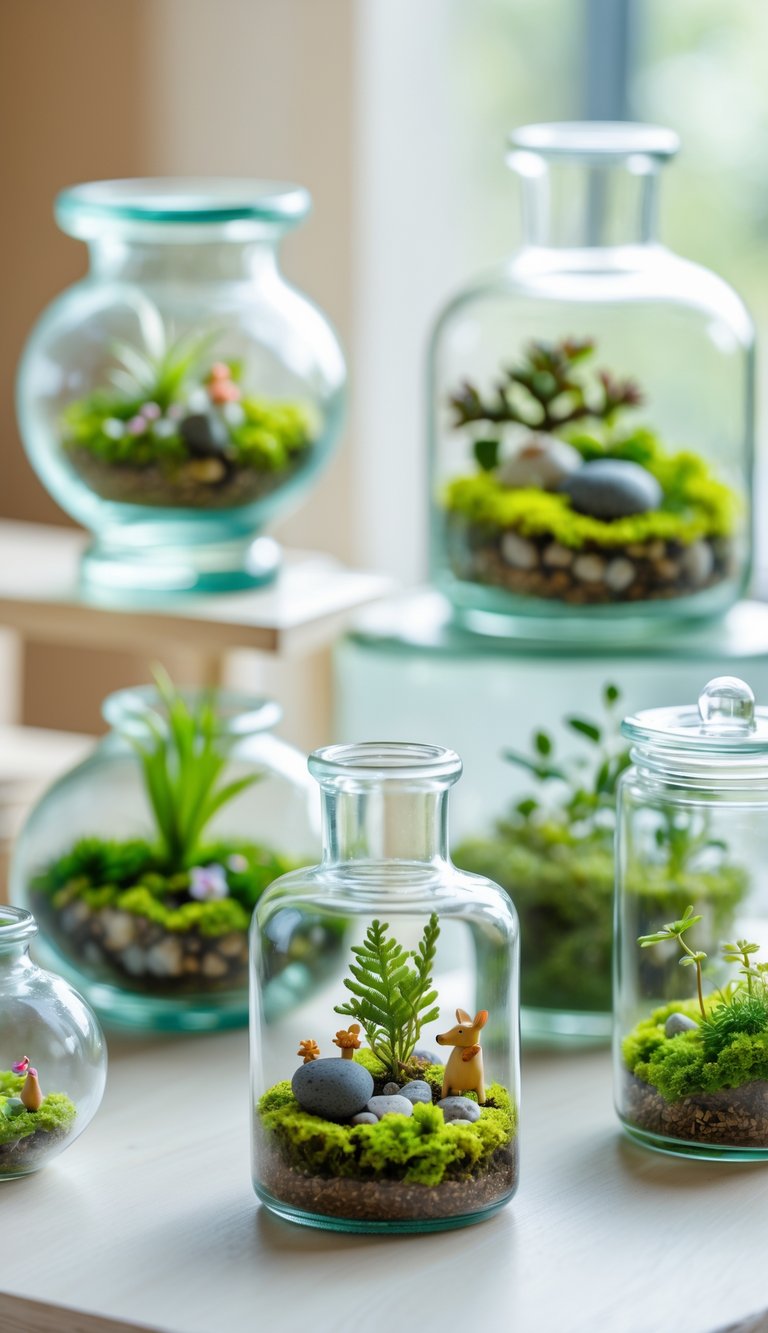
I create tiny ecosystems using mason jars and clear containers. These small terrariums need basic supplies like gravel, soil, and small plants.
I add moss, succulents, or air plants to make self-sustaining miniature gardens. The enclosed space keeps humidity levels perfect for plant growth.
17. Leather Cord Wraps
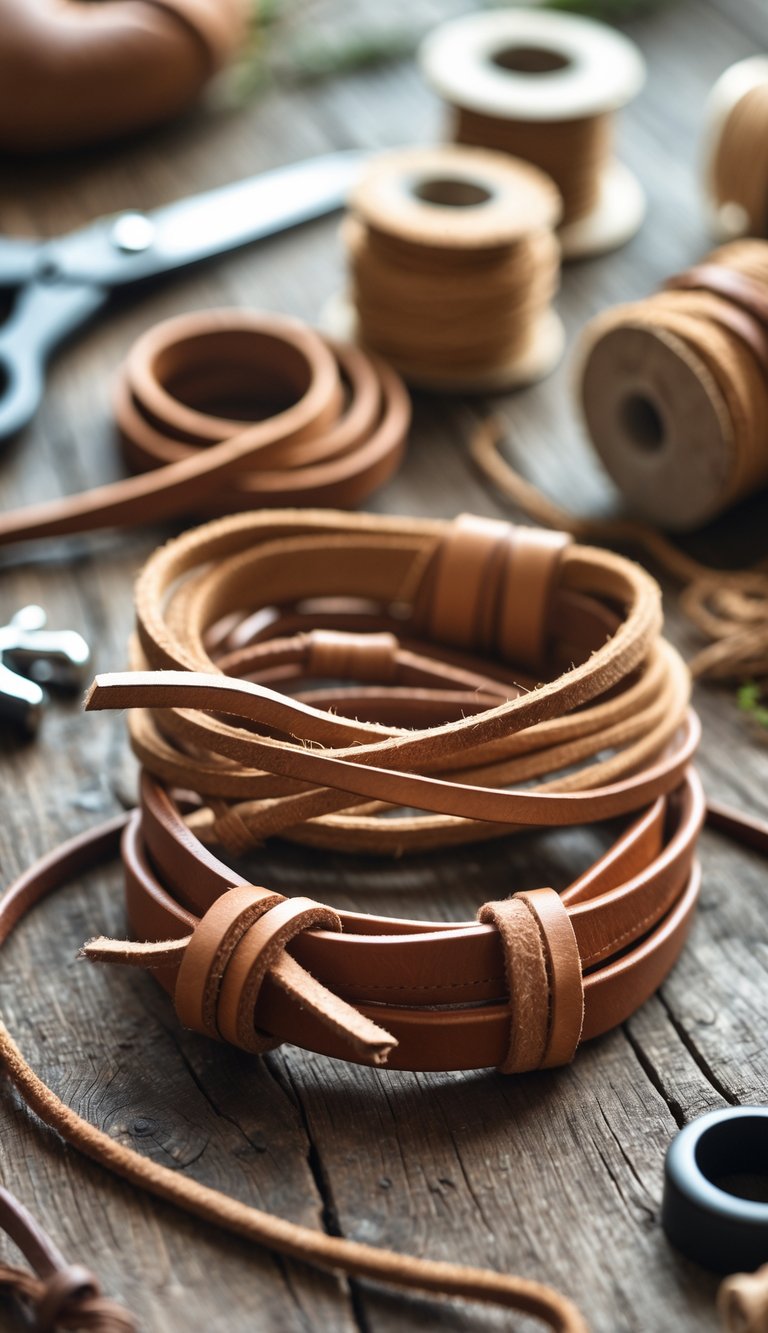
I find leather cord wraps perfect for keeping cables organized. These simple projects use basic leather pieces to create functional tech accessories.
I can make travel cord rolls for chargers and earbuds. Tech lovers always need better ways to store their cables.
18. Hand-Stitched Felt Ornaments
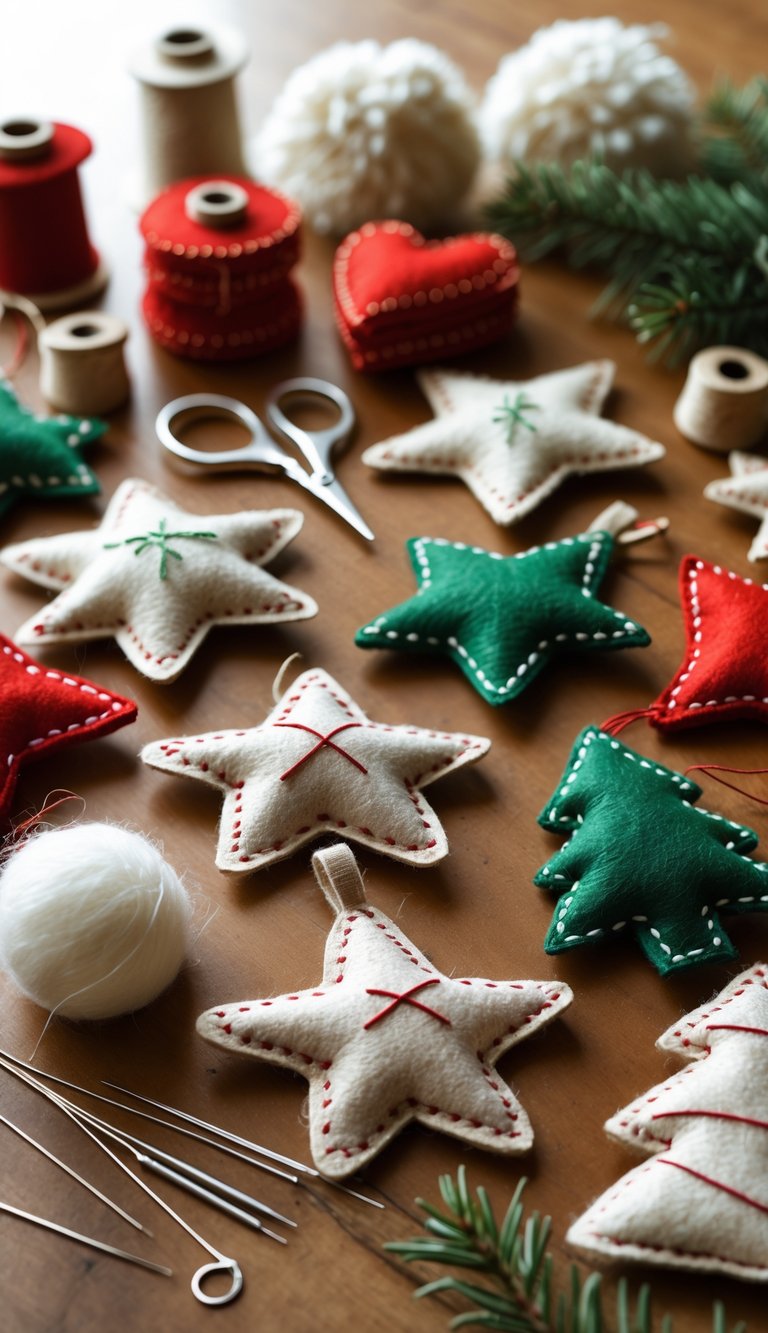
I find felt ornaments perfect for online sales. They’re quick to make and customers love handmade holiday items.
Basic supplies include colorful felt, embroidery thread, and stuffing. Simple shapes like stars, animals, and trees work best for beginners.
19. Embroidery Hoop Wall Art
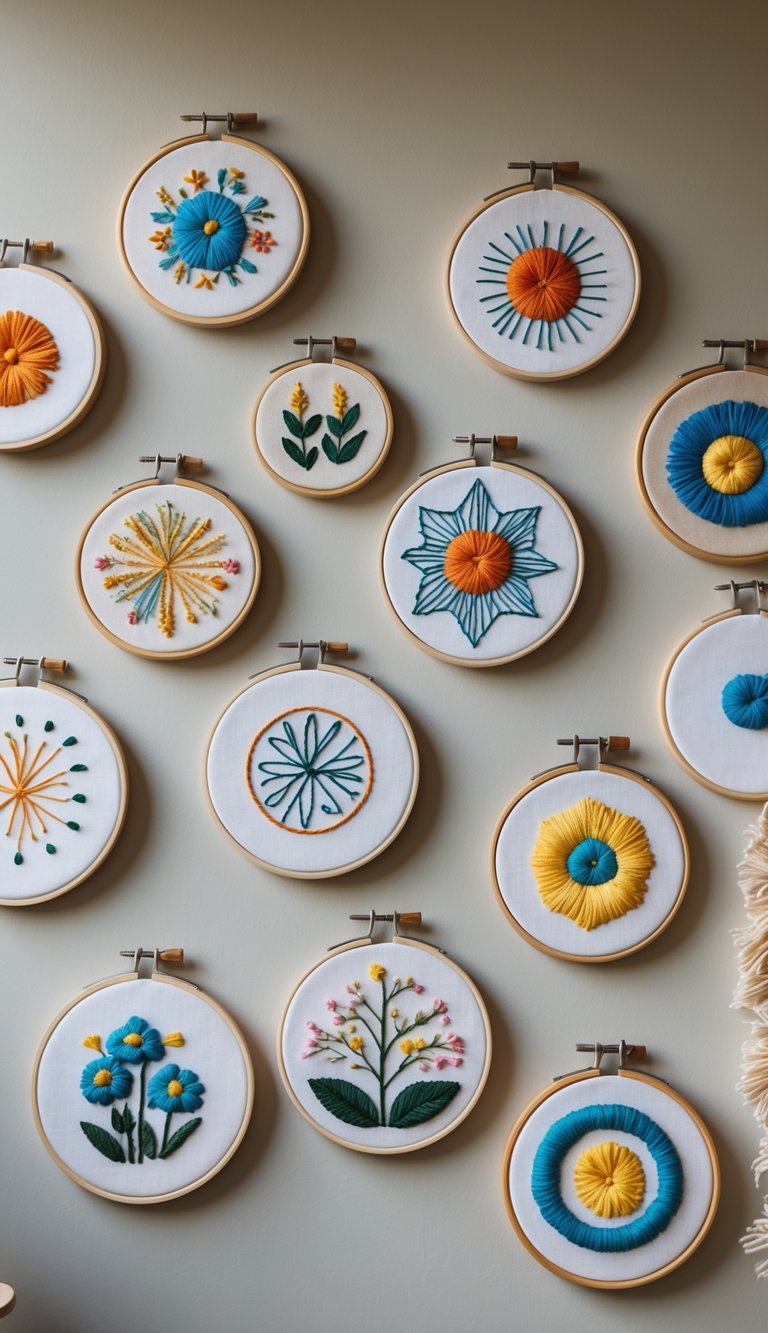
I create embroidery hoop wall art using simple round frames and fabric. This craft requires basic materials like hoops, pretty fabric, and scissors.
I stretch decorative fabric across the hoop and secure it. These pieces sell well online because they’re affordable home decor.
Essential Tools and Materials for Simple Crafts
Starting a craft business doesn’t require expensive equipment or hundreds of supplies. Most profitable crafts use basic materials you might already have at home, plus a few key tools that work across multiple projects.
Budget-Friendly Craft Supplies
I recommend starting with versatile supplies that work for many different projects. A hot glue gun is essential and costs under $10. It works for jewelry, home decor, and seasonal crafts.
Basic craft supplies include:
- Scissors (fabric and paper)
- Craft knife with extra blades
- Ruler and measuring tape
- Pencils and erasers
- Acrylic paints in primary colors
For jewelry making, I suggest starting with jewelry wire, pliers, and basic findings like jump rings and clasps. These cost around $30 total and let you make earrings, bracelets, and necklaces.
Fabric crafts need basic sewing supplies even for no-sew projects. Get fabric glue, iron-on patches, and measuring tools. A simple sewing kit with needles and thread handles small repairs.
I buy supplies at dollar stores, thrift shops, and discount retailers. Many craft stores offer 40-50% off coupons regularly.
Recommended Starter Kits
I suggest buying beginner jewelry kits that include wire, beads, and tools together. These typically cost $25-40 and provide everything needed for your first 10-15 pieces.
Painting starter sets work well for decorative crafts. Look for sets with brushes, acrylic paints, and canvases. These cost around $20-30.
For fabric crafts, consider embroidery starter kits. They include hoops, threads, needles, and patterns. Most cost under $25.
Resin crafts need specific starter kits with resin, hardener, molds, and safety equipment. These cost $40-60 but create high-value products.
I recommend starting with one craft type and one kit. Master those skills before expanding to other areas.
Craft Storage and Organization Tips
Clear storage bins help me see supplies quickly. I use different sizes for different materials. Label each bin clearly.
Drawer organizers work perfectly for small items like beads, buttons, and findings. Ice cube trays also organize tiny parts cheaply.
I store fabric flat in plastic bins or hanging file folders. This prevents wrinkles and makes measuring easier.
Tool storage needs easy access. I use a pegboard for scissors, pliers, and rulers. A rotating desk organizer holds pens, brushes, and small tools.
Mobile storage helps when working in different rooms. I use a rolling cart with supplies for current projects.
Keep work surfaces clear by storing only current project materials on your desk. Put everything else away immediately after use.
Marketing Your Handmade Crafts Online
Success in selling handmade crafts depends on selecting the right marketplace, taking quality photos, and writing descriptions that make buyers want to purchase. These three elements work together to turn browsers into customers.
Choosing the Right Platform
Etsy remains the top choice for handmade crafts. It has built-in buyers looking for unique items. The platform charges 6.5% transaction fees plus listing fees.
Amazon Handmade offers access to millions of Prime customers. However, it has strict approval requirements and higher competition.
Facebook Marketplace works well for local sales. I recommend it for larger items or when you want to avoid shipping costs.
Consider these factors when picking a platform:
- Fees: Compare transaction costs and monthly fees
- Audience: Match your craft type to the platform’s buyers
- Competition: Research how many similar items are listed
- Tools: Look for inventory management and analytics features
Start with one platform first. Master it before expanding to others. This approach helps you focus your energy and learn what works.
Photography Tips for Listings
Good photos sell crafts. Poor photos lose sales even for amazing products.
Use natural light whenever possible. Place your item near a window during daylight hours. Avoid harsh shadows by using a white sheet as a diffuser.
Take multiple angles. Show the front, back, sides, and any important details. Include size reference photos with coins or rulers.
Background matters. Use clean, simple backgrounds that don’t compete with your item. White poster board works well for most crafts.
Edit your photos to ensure accurate colors. Buyers get upset when items look different than expected. Basic editing apps can adjust brightness and contrast.
Include lifestyle shots when relevant. Show jewelry being worn or home décor in actual room settings. This helps buyers visualize using your product.
Writing Compelling Product Descriptions
Start with a clear, descriptive title. Include the main keyword buyers search for. “Handmade Silver Wire Earrings” works better than “Pretty Earrings.”
Write descriptions that answer buyer questions:
- Materials used: Be specific about quality and origin
- Dimensions: Include exact measurements
- Care instructions: How to clean or maintain the item
- Shipping details: Processing time and delivery options
Use bullet points for easy scanning. Most buyers skim descriptions quickly.
Tell a brief story about your craft. Mention inspiration or special techniques. This creates connection with buyers who value handmade items.
Include relevant keywords naturally. Think about what terms buyers type when searching. Don’t stuff keywords unnaturally into sentences.
End with a call to action. “Order today” or “Perfect for gift giving” encourages immediate purchase decisions.