



Table of Contents Show
Let’s be honest—kids learn best when their hands are busy. These craft projects open a window to traditions from places like Japan, Mexico, India, and beyond, all while sparking creativity and curiosity about the world.
Each project connects directly to real art forms and customs practiced for generations.
Whether it’s folding cranes or making bold masks, these activities turn learning about global cultures into something kids actually remember—and maybe even talk about at dinner.
1. Japanese Origami Paper Cranes
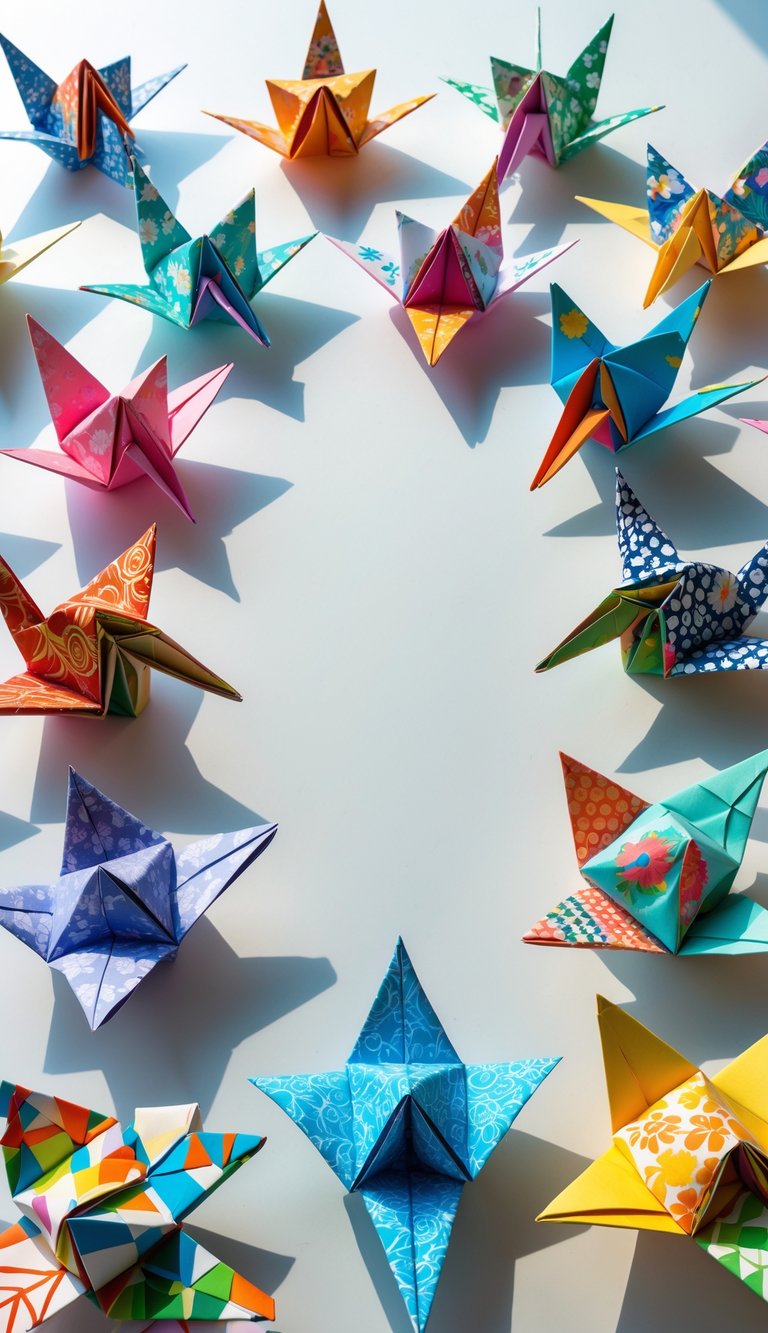
Origami cranes are one of those crafts that just feel special. In Japan, these paper birds symbolize peace, hope, and good luck.
Grab one square piece of paper. Fold it in half both ways, then add diagonal folds for the base.

For People Who Love to Make Things ✂️
Bring the sides in to make a diamond. Pull the top points down, fold out the wings, and suddenly—your crane is ready to take off!
2. Australian Aboriginal Dot Painting
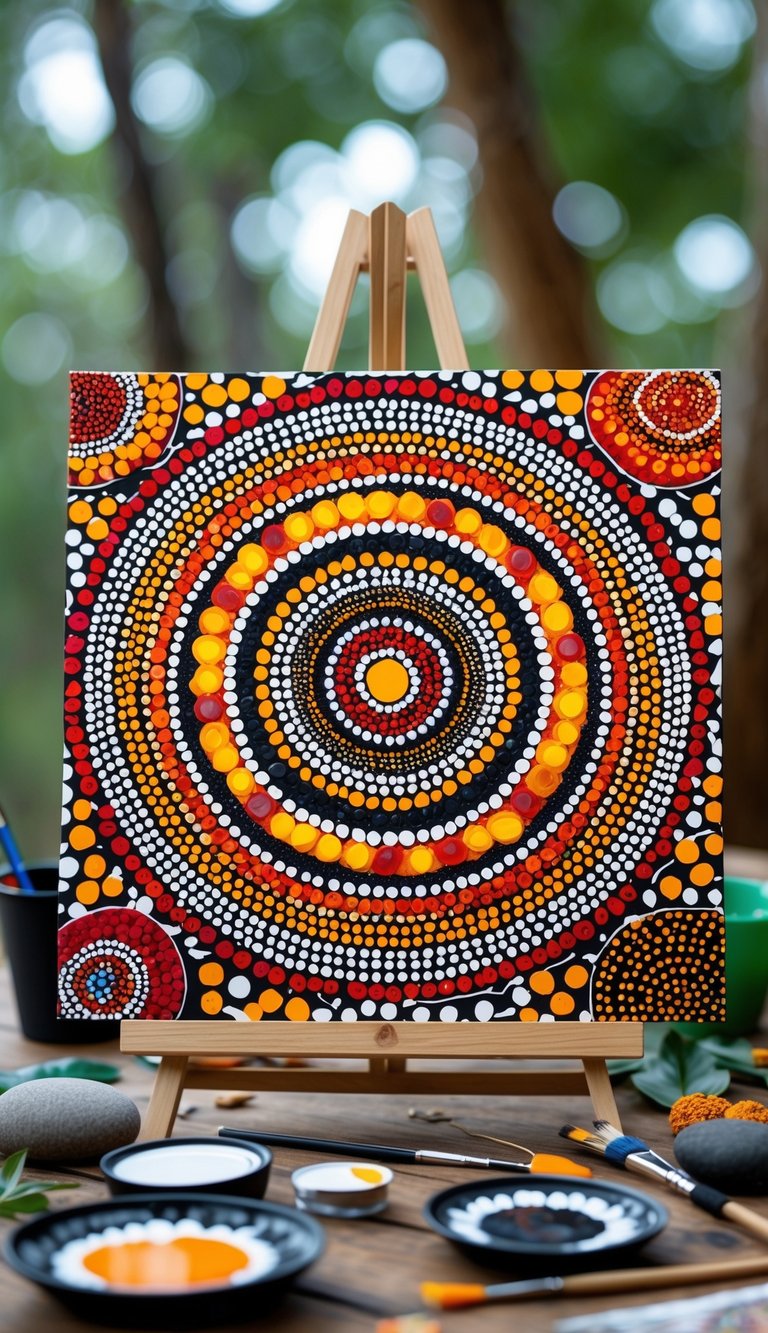
This colorful craft introduces kids to Australian Aboriginal art. Dot painting uses tiny dots to form patterns and pictures—simple, but so striking.
Kids grip cotton swabs and dot paint onto paper, practicing fine motor skills without even noticing.
How to make it: Dip a cotton swab in paint and press dots onto a template. Mix up the colors, fill in animal shapes or circles, and let the designs grow.
I’d stick with basic templates for little ones. It keeps things fun and frustration-free.
3. Mexican Papel Picado Banners
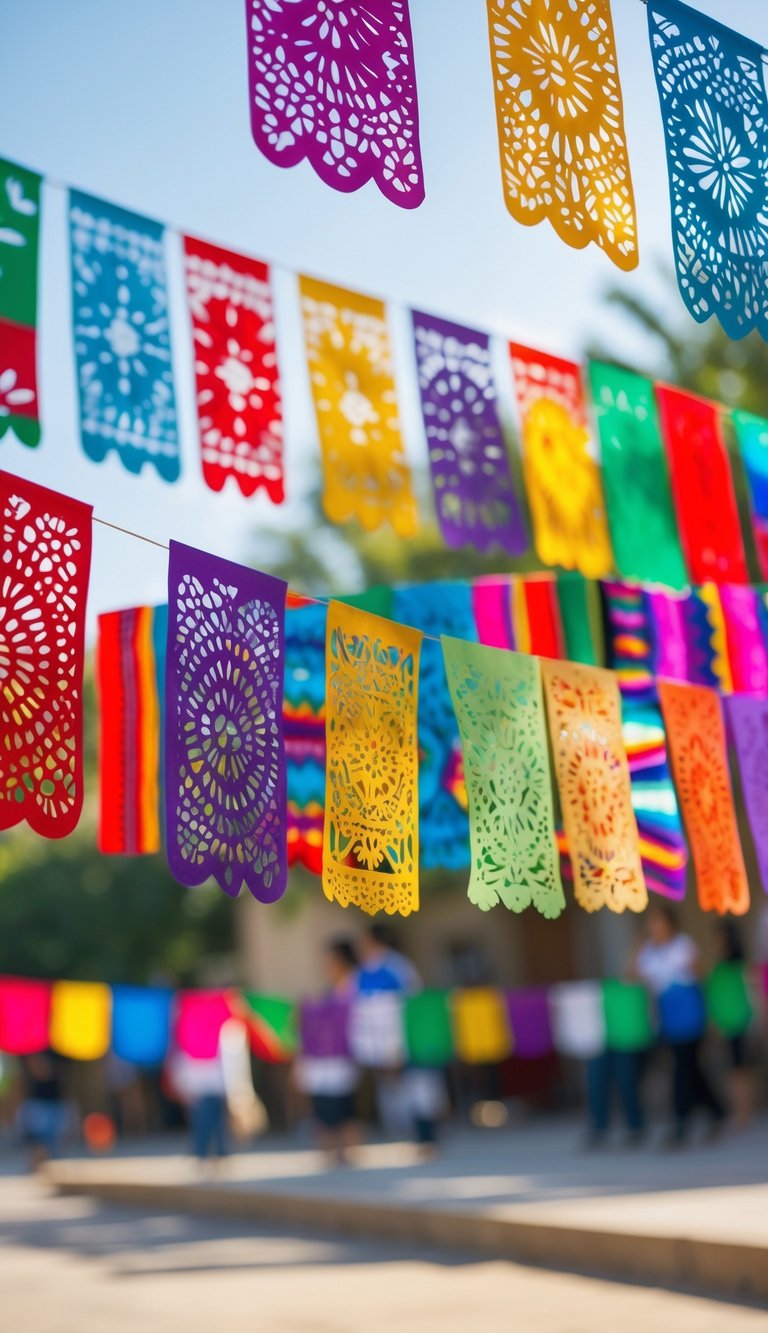
Papel picado translates to “perforated paper”—and these festive Mexican banners are all about color and celebration. They’re a classic folk art for holidays and parties.
I like this craft because kids get to practice scissor skills and see instant results. Tissue or construction paper both work, and paper punches are a safe bet for tiny hands.
Steps: Fold colored paper, snip out shapes along the fold, then unfold to reveal a symmetrical surprise. String them up, and you’ve got a party.
4. Indian Rangoli Sand Art
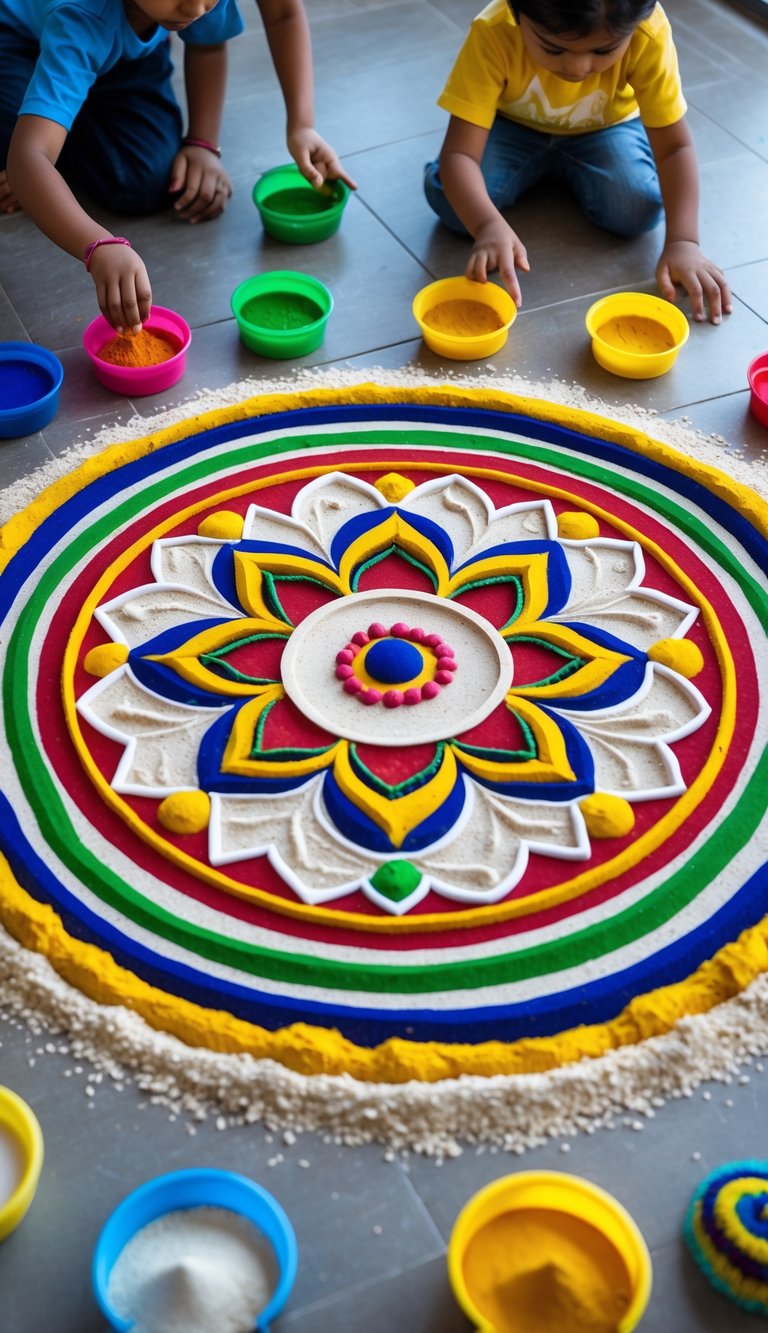
Rangoli is a vibrant Indian art made to welcome happiness and luck. It’s especially popular during Diwali.
Draw simple shapes or flowers on paper. Mix food coloring with salt or sand to get those bright shades, then carefully fill in the patterns. It’s a little messy, but worth it.
5. African Tribal Mask Making
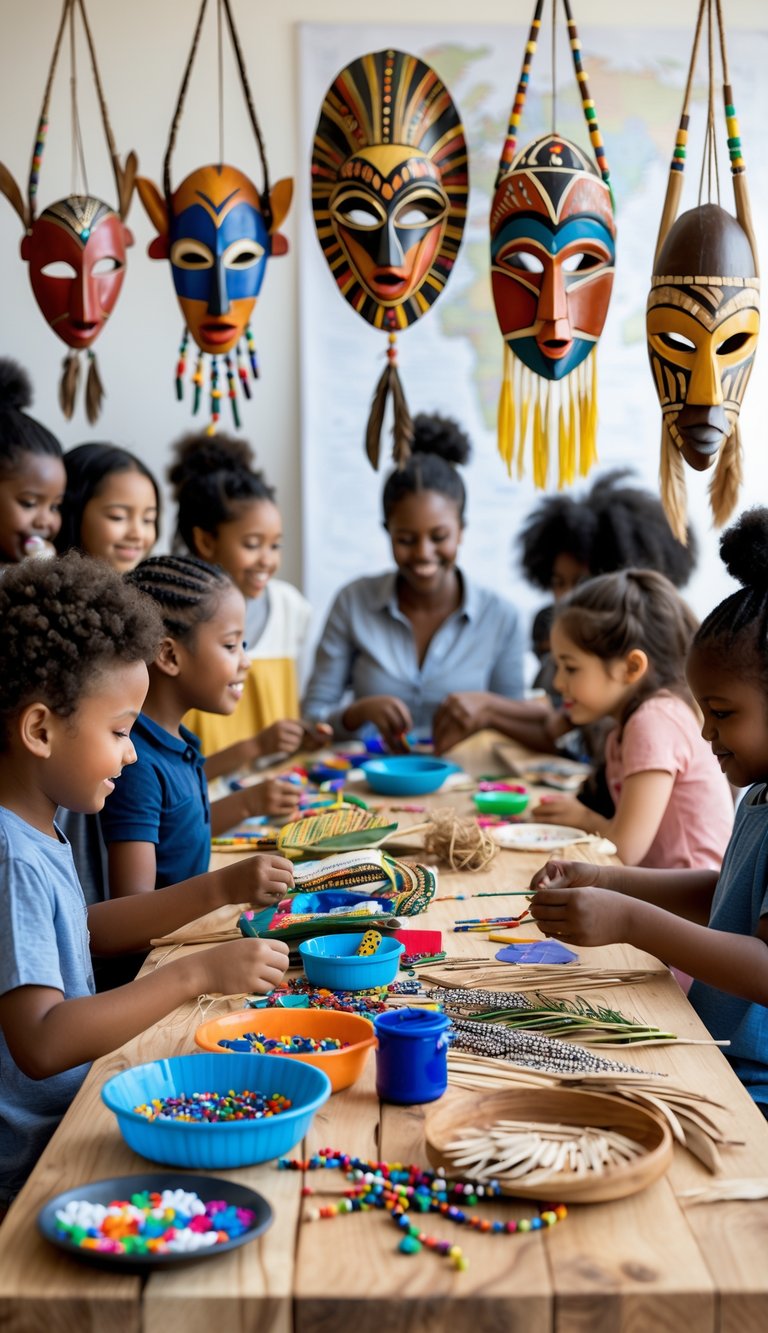
African tribal masks are packed with history and meaning. These colorful crafts let kids explore tradition through art.
Use a paper plate for the base, cut out eyes, and decorate with paper, paint, feathers, or beads. Go wild with color—red, yellow, orange, whatever feels bold.
6. Chinese Paper Cutting Art

Chinese paper cutting has been around for over 1,500 years. It’s a great way to introduce kids to Chinese culture and patience (yes, patience!).
Kids fold paper, snip out shapes, and unfold it to see their design. These paper cuts decorate homes for Chinese New Year and make lovely gifts.
I’d start with simple designs—think flowers or animals. Fold, cut, and reveal.
7. Brazilian Carnival Feather Masks
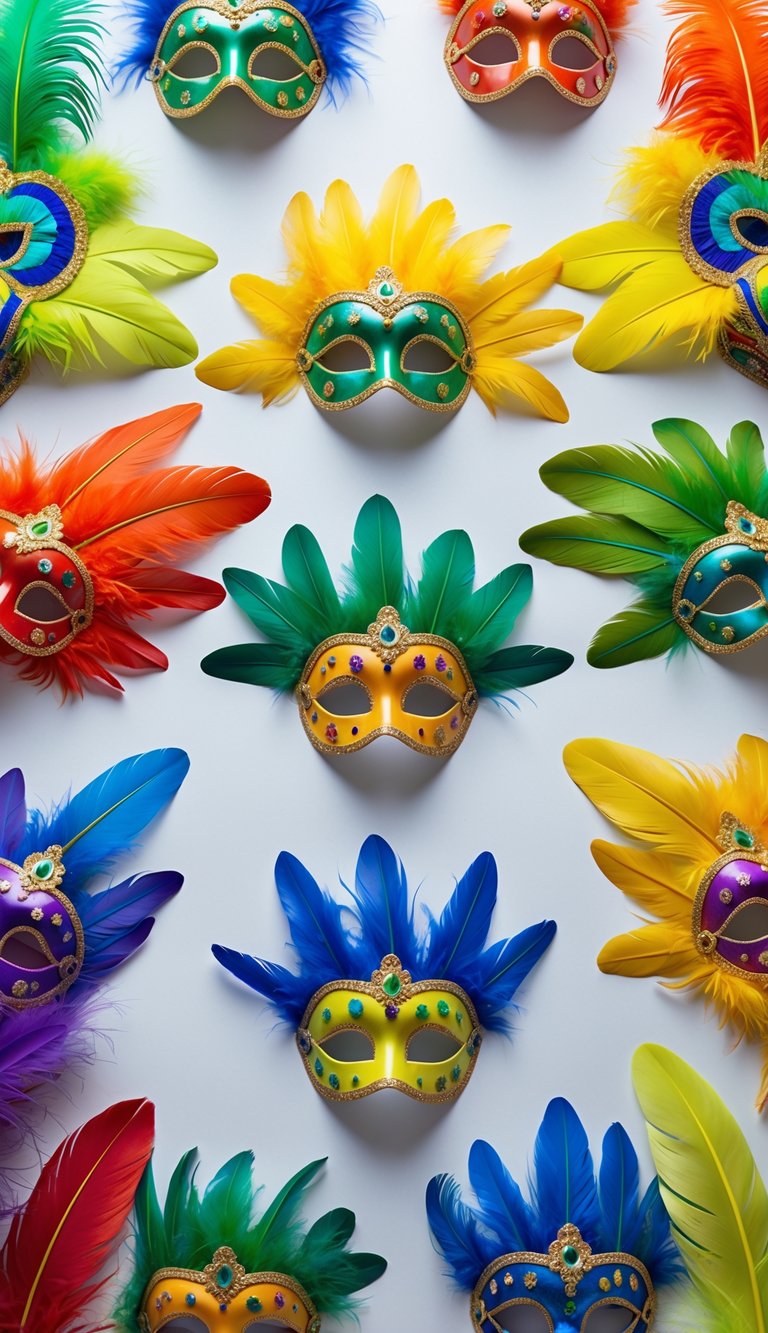
Brazilian carnival masks are all about color and fun. Kids love making these—they can really go big with feathers, sequins, and sparkle.
Cut eye holes in a paper plate or foam, then pile on the feathers and jewels. There’s no such thing as too much here.
8. Russian Matryoshka Doll Painting
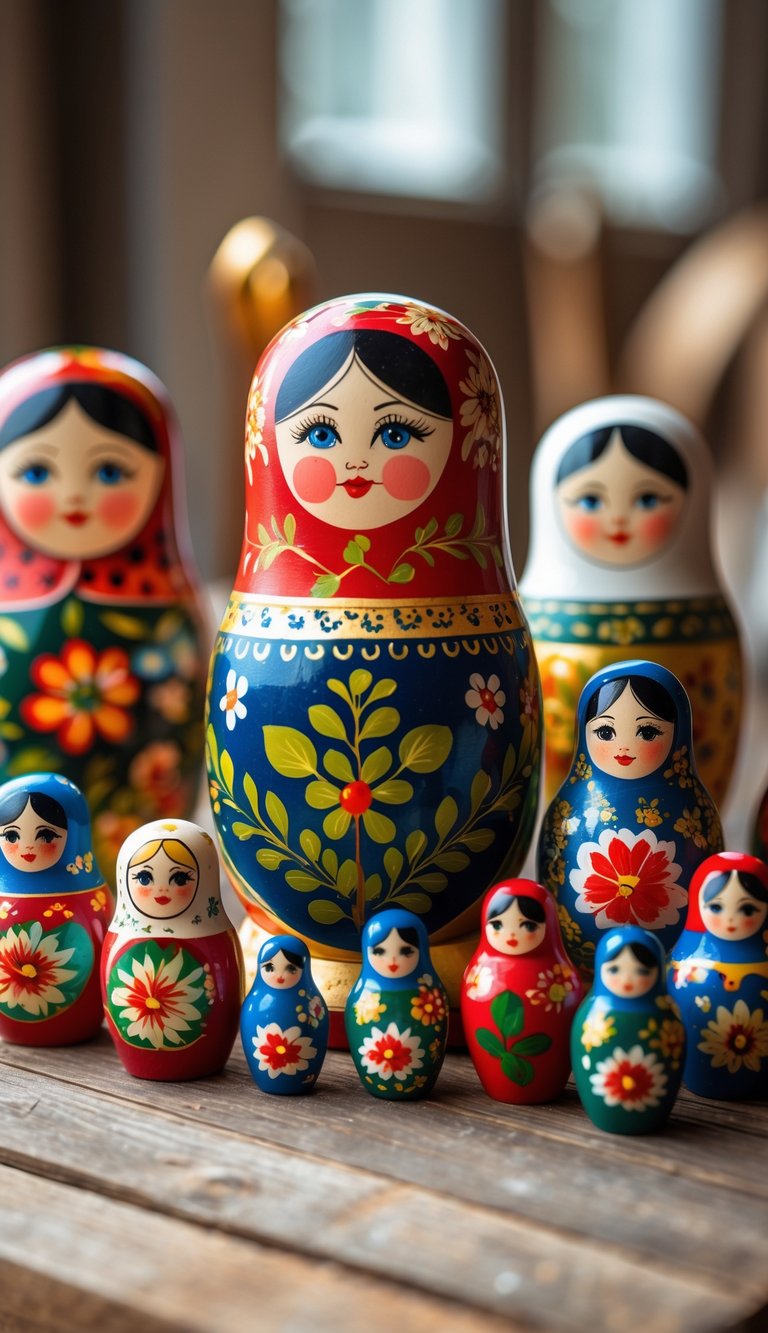
Russian nesting dolls are a classic. They represent family and tradition, and kids love the surprise of opening one after another.
Start with blank wooden dolls or paper templates. Paint the largest doll first, then work down, using bright colors and simple flower patterns. Add a face, traditional dress, and some floral details.
9. Native American Dreamcatchers
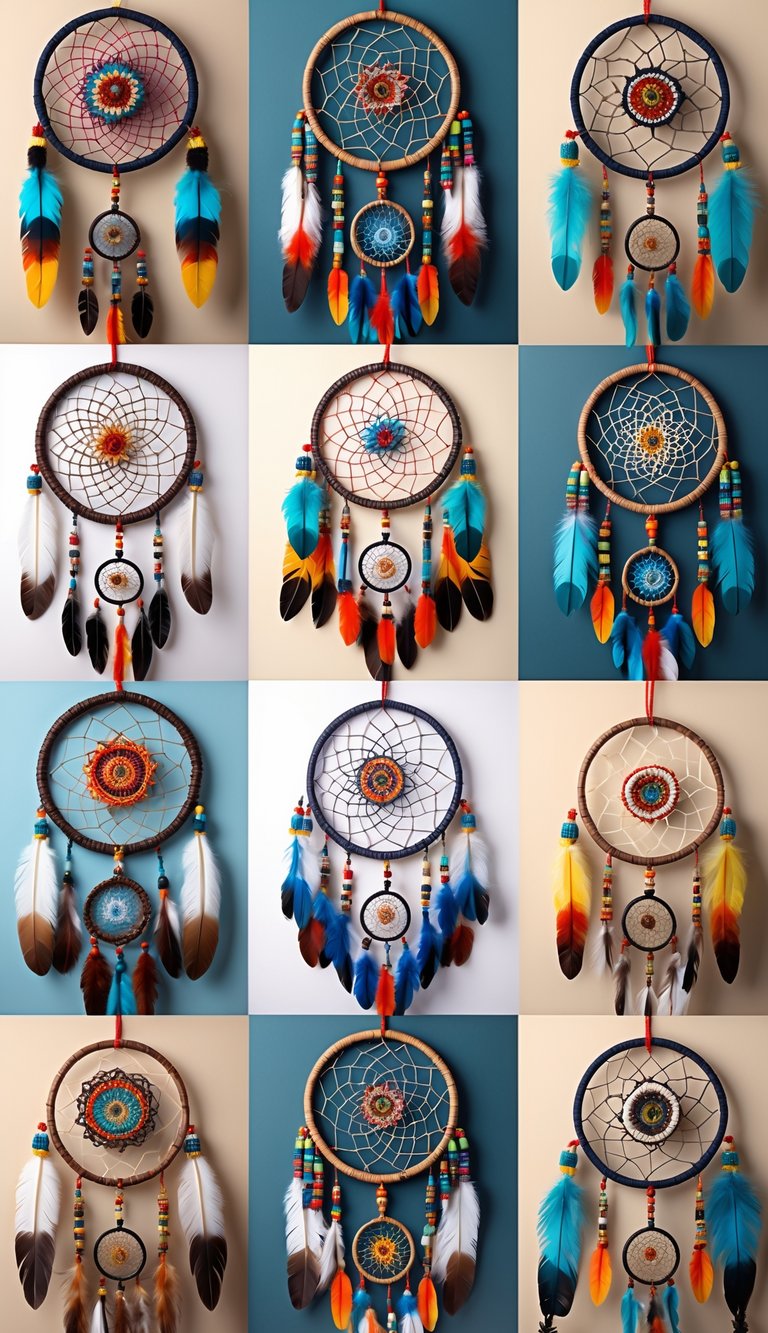
Dreamcatchers are believed to let good dreams through and trap the nightmares. I make these with kids using paper plates and yarn.
Cut out the center of a plate, wrap yarn around the ring, and weave a web inside. Hang some feathers and beads below for the finishing touch.
10. Egyptian Hieroglyphics Clay Tablets
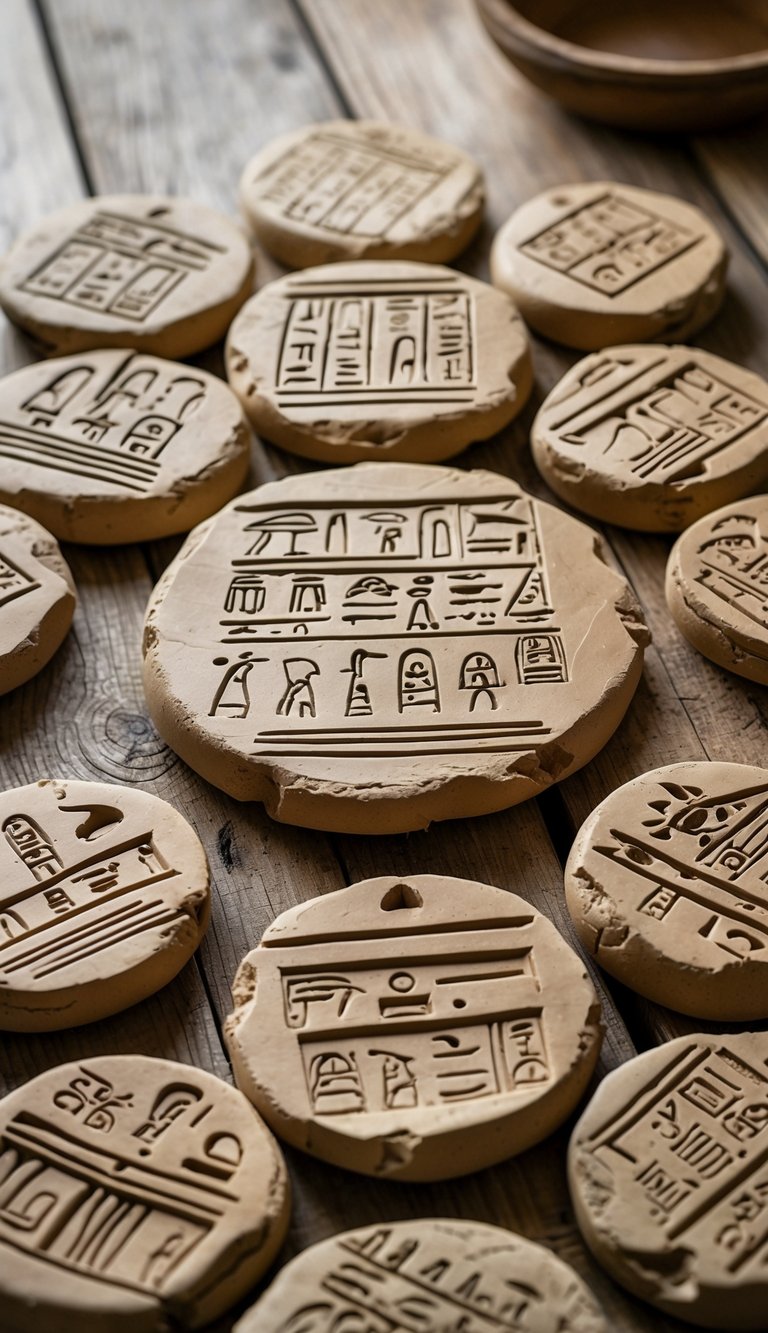
Ancient Egypt comes alive with clay tablets. I roll out clay or play dough, then use wooden tools to carve in hieroglyphics. Kids love writing their names using an Egyptian alphabet chart—it feels like real archaeology.
11. French Impressionist Painting with Fingerprints
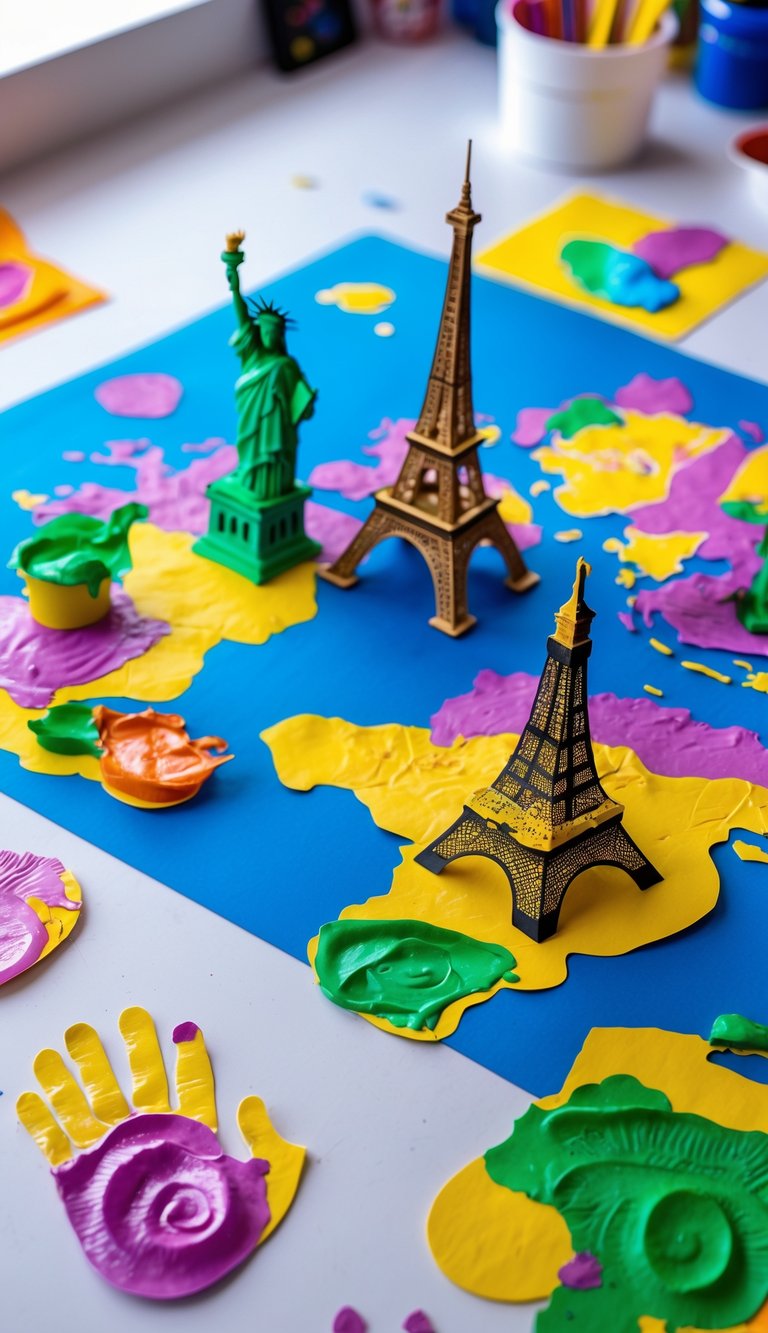
Fingerpainting gets a French twist with Impressionist art. Monet would approve, I think! Just dab cool colors like blue and green, then add pops of yellow and pink for flowers or water lilies.
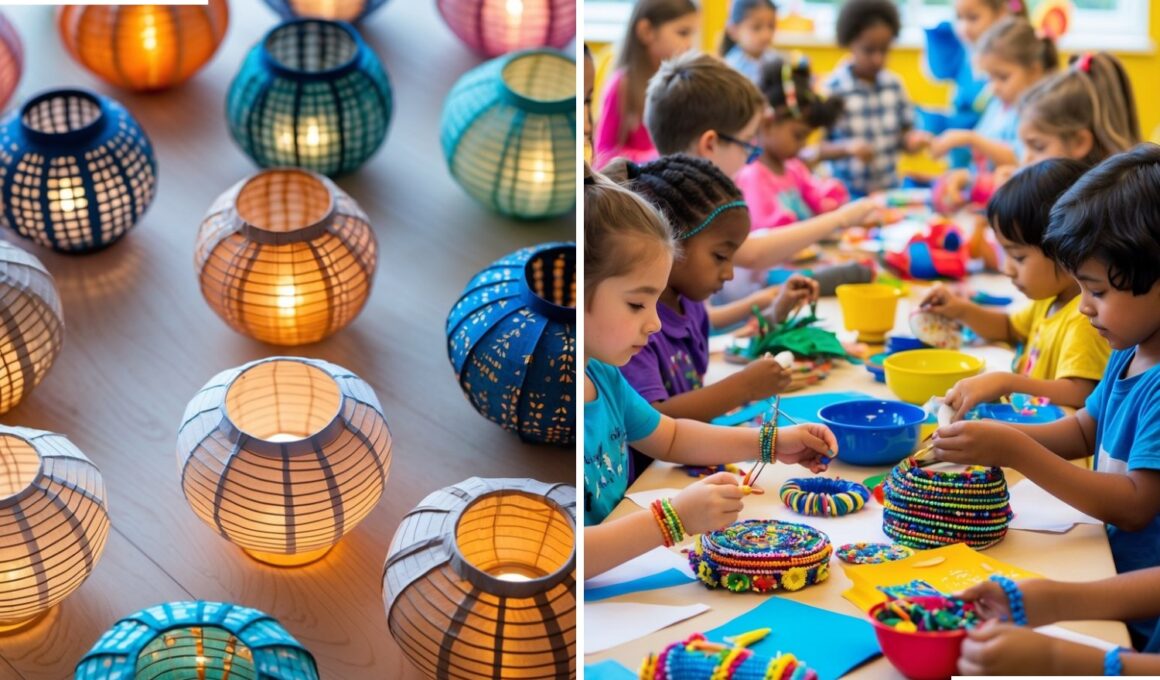
12. Korean Hanji Paper Lanterns
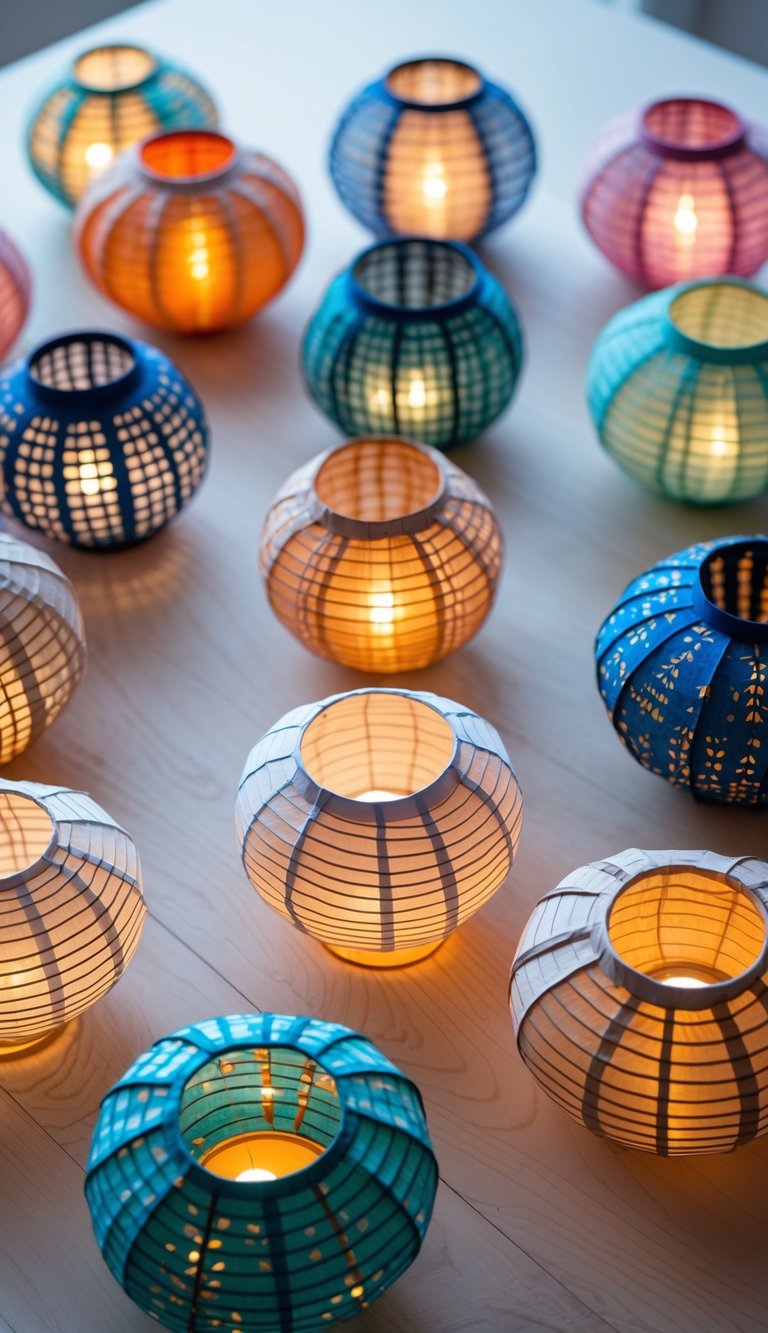
Korean hanji lanterns bring a bit of tradition and soft light into your space. Hanji is handmade Korean paper, and it feels different—almost silky.
Cut plastic sheets into squares, glue the sides to build a frame, and wrap it with hanji paper. Let it dry, then pop in a light. The glow is subtle, but really lovely.
13. Italian Venetian Mask Craft
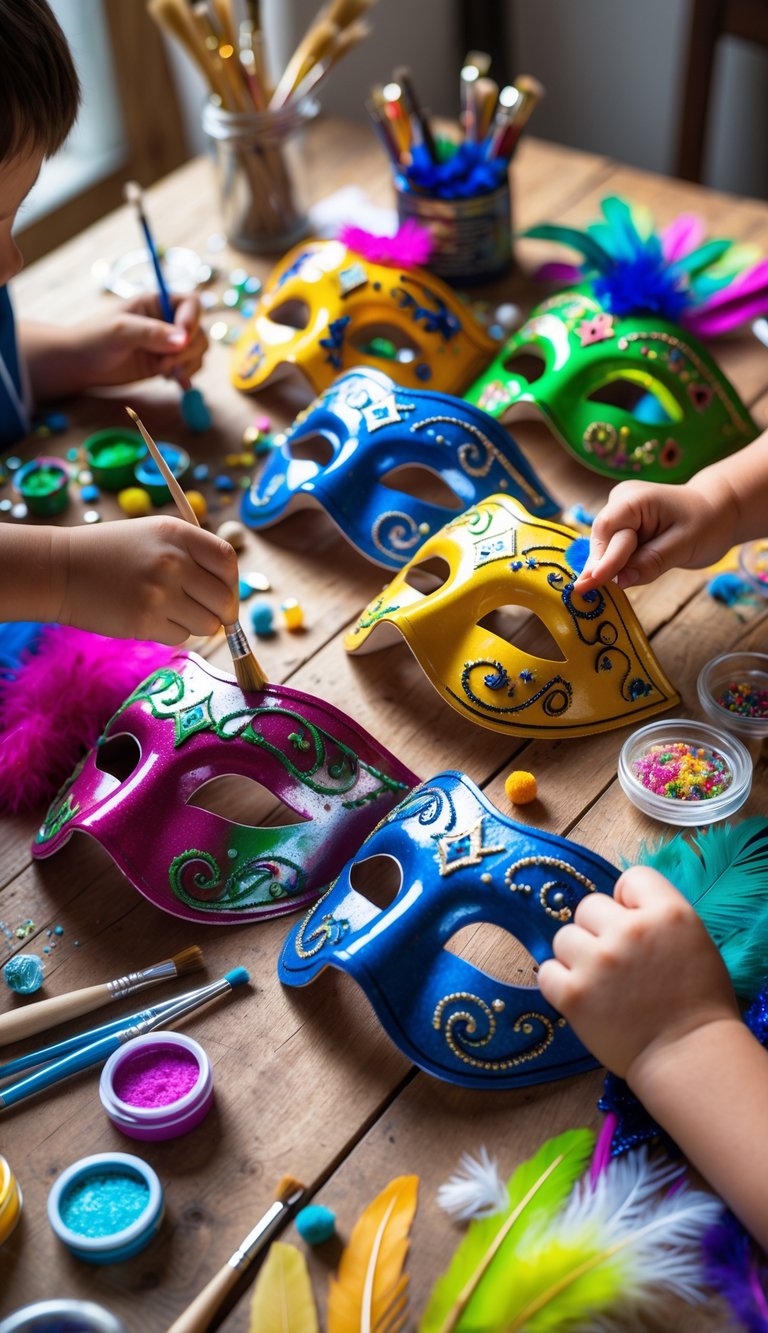
Venetian masks are pure fun—bright, bold, and a little mysterious. These come from Venice’s famous carnival, and kids can get creative with color and texture.
Start with a blank mask, paint it gold, purple, or red, then add feathers, glitter, and ribbons. Attach a stick so kids can hold their masterpiece up in style.
14. Polish Wycinanki Paper Cutting
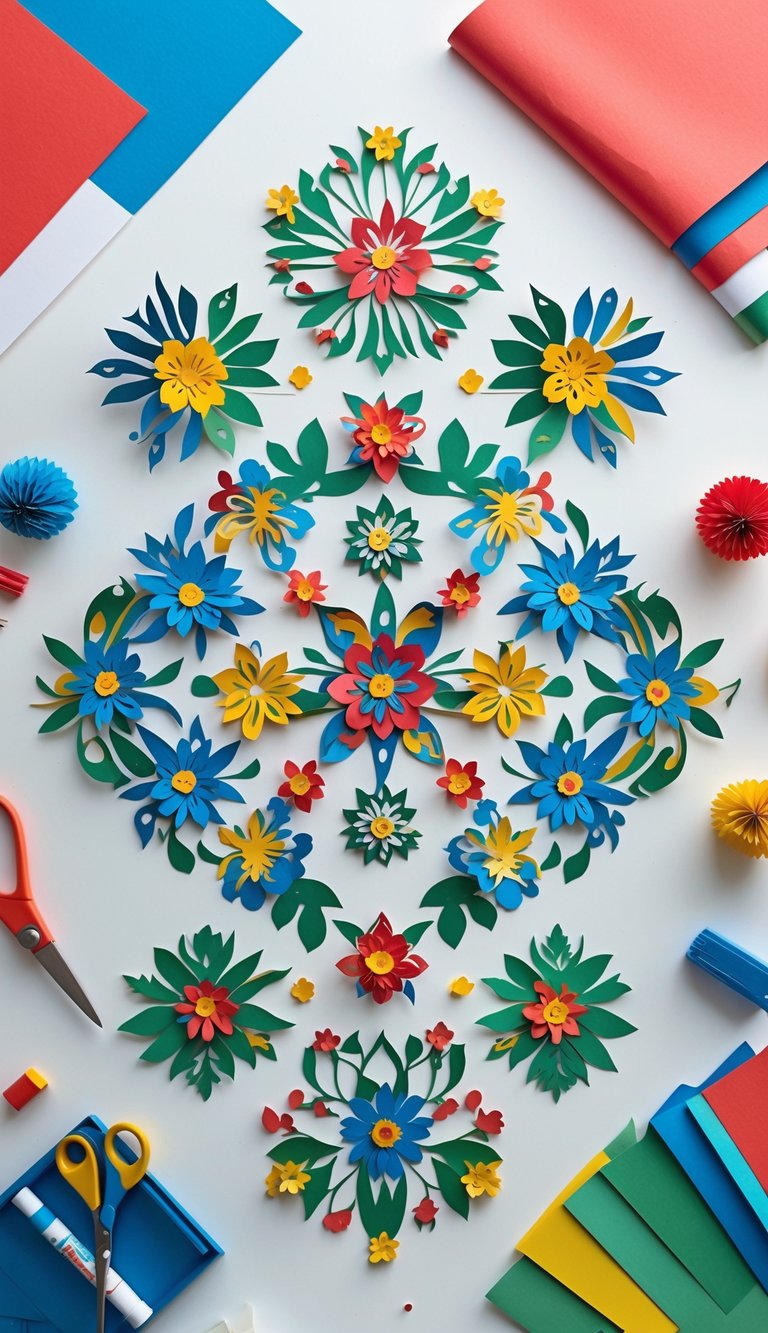
Wycinanki is a Polish folk art from the 1800s, and it’s all about symmetry. Families used these colorful cutouts to decorate their homes for holidays.
I like this project for teaching symmetry—kids fold colored paper, draw a design, snip it out, and unfold a surprise. Roosters, flowers, and nature scenes are classics, but anything goes.
15. Peruvian Weaving with Yarn
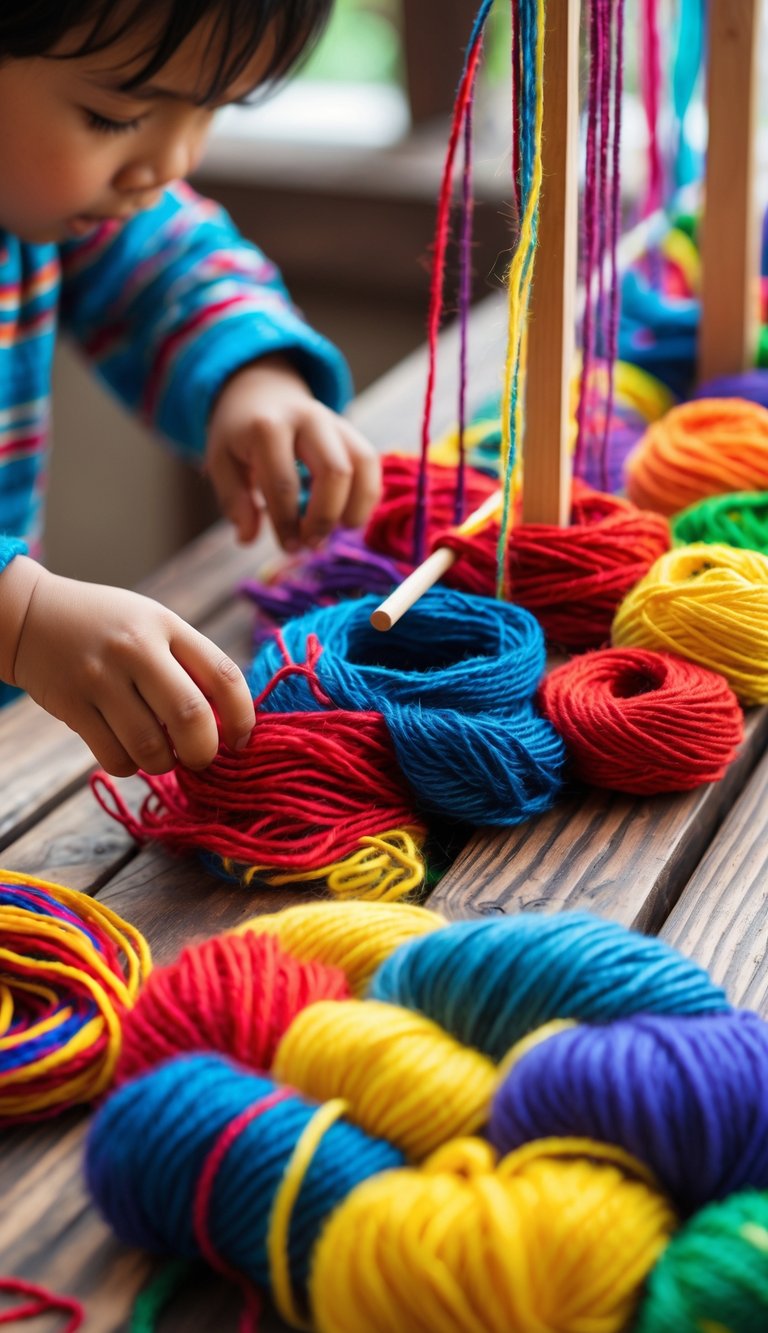
Peruvian weaving has this vibrant, joyful vibe—so many bright colors, and the patterns are simple but striking. Honestly, I love how kids get a taste of Andean culture while their hands stay busy creating something they’re actually proud of.
You’ll want some cardboard, a bunch of colorful yarn, and a pair of scissors. Just cut little slits into the edges of your cardboard, then wrap yarn vertically through those notches to set up your base.
Start weaving different yarn colors over and under the base threads—there’s no need to overthink it. As you go, push each row down with your fingers. Keep at it until the cardboard’s covered and you’ve got a mini tapestry that’s all your own.
16. Thai Fruit and Vegetable Carving
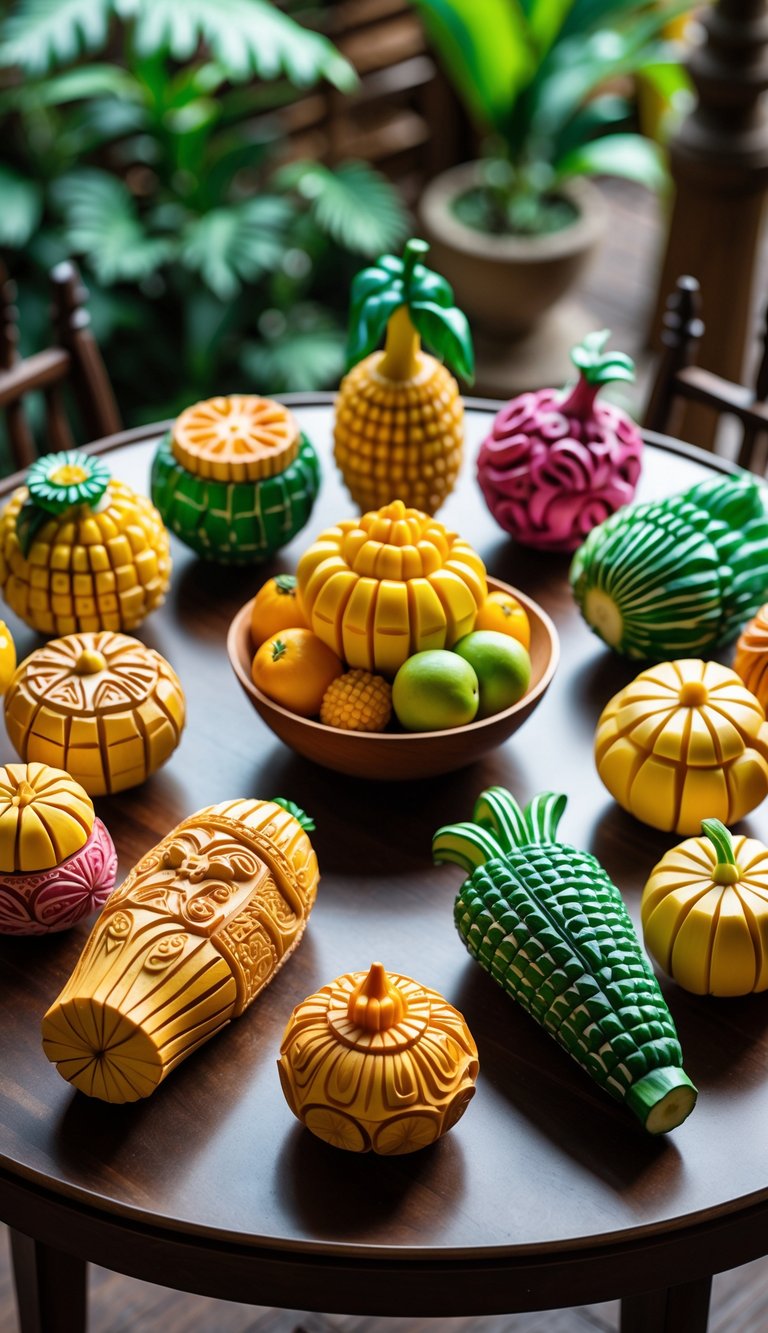
Thai fruit carving got its start as a way to decorate dishes for the Royal Family. These days, even kids in Thailand pick up the basics in elementary school—kind of wild how it shifted from royal tables to everyday classrooms, right?
If you’re curious, I’d say go for soft fruits like watermelon or papaya first. Grab a small, sharp knife and just try cutting out simple flower shapes. Honestly, even making a few shallow cuts in a petal pattern can turn a plain fruit into something pretty cool.