






Table of Contents Show
Fall often brings fuller schedules, cooler mornings, darker evenings, and more time spent indoors. It can be tempting to respond by completely changing your routine, but the habits that make the biggest difference are usually simple enough to repeat.
You do not need a perfect morning routine, a strict meal plan, or an expensive wellness challenge.
These healthy fall habits can help you care for your energy, sleep, movement, meals, mental health, and personal space throughout the season.
1. Begin Your Morning With Natural Light

Open your curtains soon after waking and spend a few minutes near natural light. When possible, take your morning drink outside or complete a short walk before beginning work.
You do not need to wake up at sunrise to build this habit. Simply avoid spending the first part of your morning in a dark room while scrolling on your phone.

For People Who Love to Make Things ✂️
Pair the habit with something you already do, such as drinking water, making coffee, stretching, or checking your calendar. That makes it easier to repeat without creating another complicated routine.
2. Keep a Consistent Sleep and Wake Schedule

Darker evenings may make you feel sleepy earlier, while late-night scrolling can still keep you awake. Choose a bedtime and wake time that work with your real schedule and try to keep them fairly steady.
Most adults need at least seven hours of sleep each day, although individual needs differ. Sleep quality matters too, so speak with a healthcare professional when ongoing sleep problems make it hard to function during the day.
Begin winding down before your target bedtime. Lower the lights, stop checking work, and complete your skincare or other evening tasks early enough that you are not rushing into bed.
3. Keep Water Visible Even When the Weather Is Cool

It is easy to forget about fluids when you are no longer dealing with summer heat. Keep water near your bed, work area, and dining space so drinking does not depend on remembering at the last minute.
Warm drinks such as herbal tea can make hydration feel more appealing during cooler weather. Water-rich foods, including soups, fruits, and vegetables, can also contribute to your daily intake.
There is no single amount that suits everyone. Your needs can change with activity, pregnancy, illness, medication, and climate. Pale-yellow urine is a common practical sign that you are drinking enough, while dark urine, thirst, dizziness, or dry mouth can signal dehydration.
4. Build a Warm, Balanced Breakfast

A warm breakfast can make cold mornings feel more comfortable and reduce the need to make food decisions when you are already busy.
Try oats with fruit and nuts, eggs with whole-grain toast, yogurt with fruit and seeds, or a breakfast wrap with vegetables and protein. Choose a combination that keeps you satisfied rather than copying a meal that does not suit your appetite.
Current U.S. dietary guidance emphasizes whole, nutrient-dense foods such as vegetables, fruits, protein foods, dairy or suitable alternatives, healthy fats, and whole grains.
Prepare ingredients the night before when mornings are rushed. You can portion oats, wash fruit, boil eggs, or place everything you need together in the refrigerator.
5. Cook One Big Fall Meal Each Week

Choose one meal each week that can provide several portions. Soup, stew, curry, chili, roasted vegetables, pasta sauce, or a grain bowl base can make busy evenings much easier.
Prepare components rather than forcing yourself to eat the exact same plate every day. For example, roasted vegetables can be served with rice, added to a wrap, mixed into pasta, or used beside eggs.
Cool and store leftovers properly, and freeze portions you are unlikely to eat within the next few days. The habit should save time rather than create waste or pressure to follow a strict menu.
6. Take a Short Walk Most Days

A daily walk is one of the simplest movement habits to fit into fall. Walk after breakfast, during lunch, after work, or while completing a nearby errand.
Begin with 10 to 20 minutes when your current routine is mostly inactive. Increase the time gradually instead of trying to complete a difficult schedule immediately.
Current CDC guidance recommends that adults work toward at least 150 minutes of moderate activity each week. The total can be divided into smaller sessions, and some activity is better than none.
Wear comfortable shoes and practical layers. When evenings become darker, choose well-lit routes and consider reflective details.
7. Add Two Simple Strength Sessions to Your Week

Walking is useful, but it does not have to be your only type of movement. Add two short strength sessions using dumbbells, resistance bands, machines, or your own body weight.
A basic session might include squats, rows, wall push-ups, hip bridges, and overhead presses. Start with movements you can control and stop when your form begins to break down.
Adult activity guidelines also recommend muscle-strengthening work on at least two days each week.
Beginners, people returning after an injury, and anyone with a health condition may benefit from guidance from a qualified professional before starting a new exercise plan.
8. Create an Indoor Movement Backup

Rain, cold weather, and darker evenings can easily interrupt an outdoor routine. Decide in advance what you will do when going outside is not practical.
Your backup could be a short dance session, mobility routine, indoor walking video, yoga practice, or basic body-weight workout. Keep any equipment somewhere easy to reach.
Make the backup smaller than your ideal workout. A 15-minute routine you complete is more helpful than a 45-minute plan you avoid because it feels too demanding.
9. Eat One Screen-Free Meal Each Day

Choose one meal each day when you do not watch television, answer messages, or scroll through social media.
Sit down when possible, place your food on a plate, and give yourself enough time to notice its taste and texture. This can make an ordinary meal feel like a proper break.
A screen-free meal is also a good opportunity to speak with someone in your home, sit outdoors, or simply enjoy a few minutes without new information.
You do not need to make every meal silent or formal. Begin with the meal that is easiest to protect.
10. Wash Your Hands Properly and Moisturize Afterward

Regular handwashing is an important everyday habit, particularly before eating, after using the bathroom, after coughing or sneezing, and while preparing food.
Use clean running water and soap, lather all areas of the hands, scrub for at least 20 seconds, rinse well, and dry with a clean towel or air dryer.
Frequent washing and cooler air can leave the hands dry. Apply a plain hand cream after washing, especially around your knuckles, fingertips, and cuticles.
Keep a small tube near the sink, inside your bag, or at your desk so moisturizing becomes part of the same habit.
11. Take a Short Break From Screens Every Evening

Choose a time each evening when you stop checking work, news, and social media. The break can begin 30 minutes before bed or earlier when your schedule allows.
Use the time for skincare, stretching, reading, preparing tomorrow’s clothes, or speaking with someone. Avoid replacing phone scrolling with another screen when your goal is to reduce stimulation.
The CDC includes breaks from news and social media, time outdoors, journaling, and relaxing activities among healthy ways to manage stress.
Keep your phone out of reach during the break so the habit does not depend entirely on willpower.
12. Complete a Five-Minute Emotional Check-In

At the end of the day, ask yourself three questions: What am I feeling? What may have affected me? What do I need next?
Write one or two sentences for each answer. You may realize that you need rest, food, movement, support, a boundary, or time away from a stressful task.
Journaling and relaxation practices such as deep breathing can help people process emotions and cope with stress more constructively.
This habit is not a replacement for professional care. Seek qualified support when emotional distress feels persistent, severe, unsafe, or difficult to manage alone.
13. Schedule One Meaningful Connection Each Week

Choose one person to call, visit, walk with, or meet for a simple meal each week. Meaningful connection does not require a large gathering or expensive plan.
You might invite a friend for tea, call a relative while walking, attend a regular class, or schedule a lunch break with a coworker.
Healthy stress-management guidance includes connecting with other people and reaching out for support rather than handling everything alone.
Keep the habit realistic by making plans before the week becomes crowded. A 20-minute call can still count when an in-person meeting is not possible.
14. Finish the Week With a Gentle Habit Review
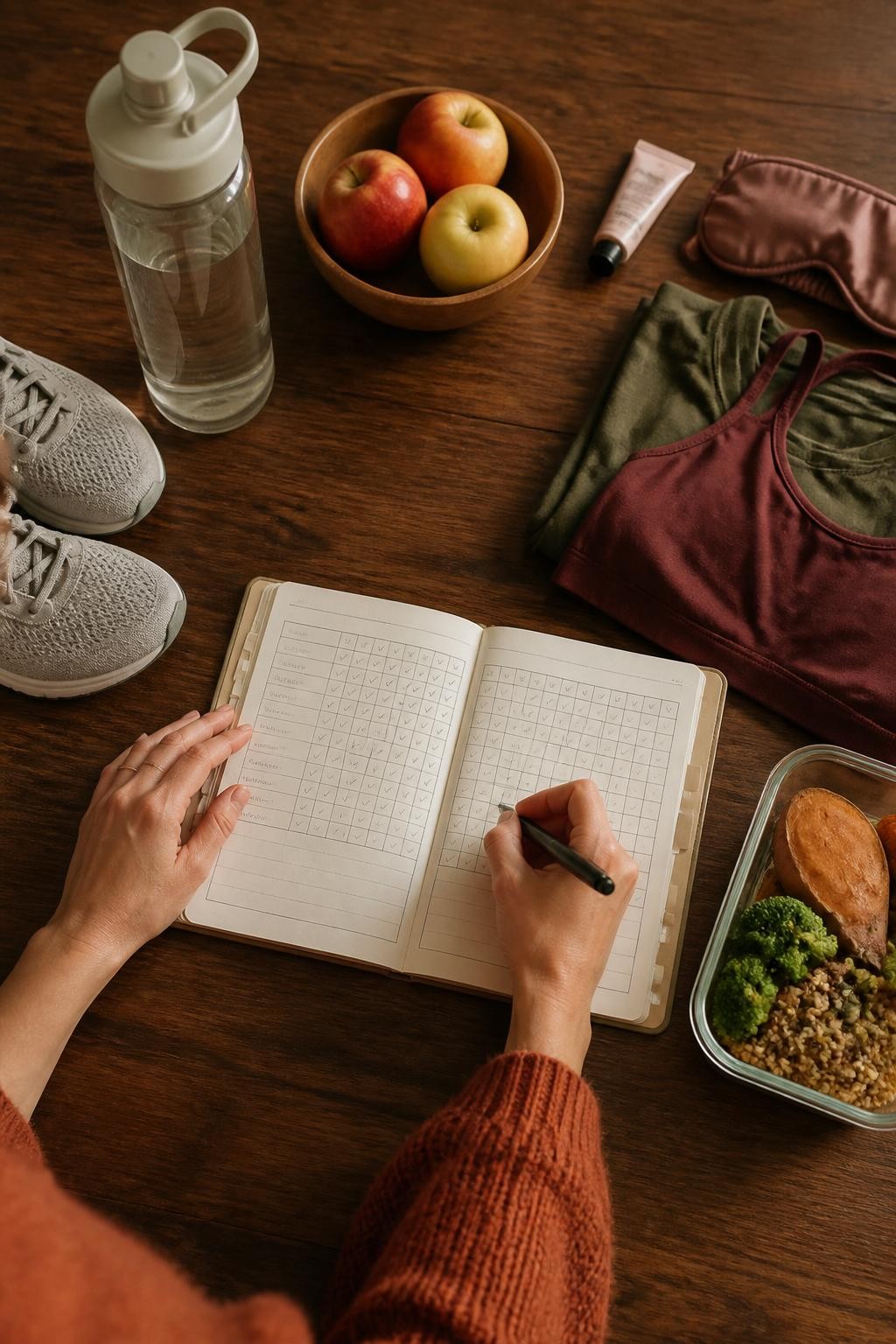
Choose one day to look back at your week without turning the review into a judgment session. Notice which habits helped, which ones were difficult, and what got in the way.
Do not expect to complete all 14 habits every day. Select three or four to practice first and make them easier by attaching them to routines you already follow.
You might place water beside the coffee machine, walk immediately after lunch, moisturize after washing your hands, or journal after completing your nighttime skincare.
Adjust habits that repeatedly fail. A shorter version that fits your life is usually more useful than a perfect routine you cannot maintain.
Start With Habits You Can Repeat
A healthy fall routine should support your life rather than control it. Choose habits that solve a problem you are currently experiencing, such as low energy, rushed meals, inconsistent sleep, limited movement, or too much screen time.
Begin with two or three changes and practice them until they feel familiar. You can add more later or leave behind anything that does not suit your needs.
Health needs differ, especially during pregnancy, illness, recovery, or treatment for an ongoing condition. Use professional guidance when a general wellness habit conflicts with advice from your healthcare provider.