






Table of Contents Show
A dorm desk can become cluttered surprisingly fast. Between textbooks, chargers, notebooks, snacks, personal items, and unfinished assignments, even a small mess can make it harder to sit down and focus.
The best desk organizers help you use limited space without making the area feel crowded. These practical supplies can keep important items visible, protect your study space from clutter, and make it easier to begin working without first spending ten minutes looking for a pen.
1. A Vertical File Organizer for Notebooks and Folders
A vertical file organizer allows you to store notebooks, folders, textbooks, and printed materials upright instead of stacking them across the desk. This makes each item easier to reach and prevents you from having to move an entire pile to find what you need.
Choose one with several separate sections so you can organize materials by class or purpose. A narrow metal or plastic design works especially well in a dorm because it provides useful storage without taking up too much writing space.
Our recommended options

For People Who Love to Make Things ✂️


2. A Rotating Pen and Supply Holder
A rotating organizer keeps pens, pencils, highlighters, scissors, rulers, and other small supplies within reach. The turning base allows you to access items stored at the back without moving the entire container.
Look for one with different compartment sizes so short items do not disappear beneath taller ones. Assigning each section a purpose can also stop the holder from becoming another cluttered container filled with random objects.
Our recommended options


3. Stackable Desk Drawers
Stackable drawers provide storage for items that you need nearby but do not want sitting out on the desk. They can hold sticky notes, index cards, charging cables, extra pens, calculator supplies, and small personal items.
Clear drawers are helpful because you can see what is inside without opening every section. A modular set is even more useful because you can add, remove, or rearrange drawers as your storage needs change during the semester.
Our recommended options


4. A Monitor Stand With Built-In Storage
A monitor stand raises your laptop or computer screen while creating extra storage underneath. This unused space can hold a keyboard, notebooks, planners, or small office supplies when you are not actively using them.
Choose a sturdy stand that supports the weight of your device and fits the width of your desk. Models with drawers or side compartments can help you keep frequently used supplies close without covering the main work surface.
Our recommended options


5. Adhesive Cable Clips
Charging cords have a habit of falling behind desks, tangling together, or spreading across the floor. Adhesive cable clips hold cords along the edge of the desk so they remain easy to reach and less likely to become damaged.
Use separate clips for your laptop charger, phone cable, lamp cord, and headphones. Make sure the adhesive is approved for the desk surface, especially if the furniture belongs to the college and must be returned without damage.
Our recommended options
6. A Multi-Port Charging Station
A charging station gives phones, earbuds, tablets, smartwatches, and other devices one place to recharge. It reduces the number of separate plugs and loose cables competing for space around your desk.
Choose one with enough power for your devices and ports that match the cables you actually use. Keeping all charging in one area can also make it easier to remember your devices before leaving for class.
Our recommended options
7. A Desk Shelf or Small Desktop Hutch
A desk shelf uses vertical space above the work surface, which is especially valuable in a small dorm room. It can hold textbooks, a clock, small storage boxes, headphones, or decorative items without reducing the area available for writing.
Measure your desk before purchasing one and check whether it will fit beneath any existing wall shelves. A lightweight freestanding design is often better than one that requires drilling, screws, or permanent installation.
Our recommended options


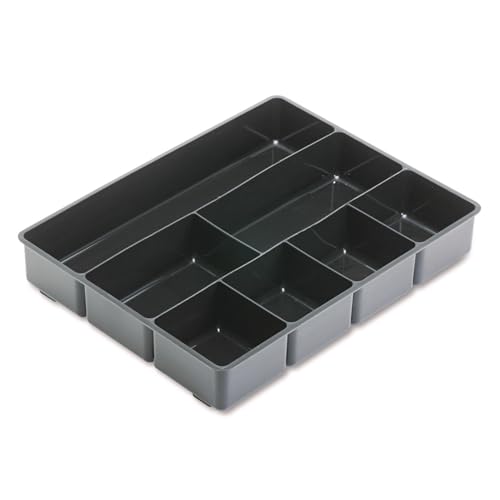
8. A Divided Desk Tray

A divided tray gives loose items a clear place to stay instead of allowing them to spread across the desk. It can hold paper clips, erasers, flash drives, sticky notes, keys, lip balm, and other small essentials.
Shallow compartments make it easier to see everything at once. Place the tray near the back or side of the desk so it stays accessible without taking over the main area where you use your laptop or notebook.
Our recommended options


9. A Wall Pocket Organizer
When desk space is limited, a hanging wall organizer can move papers and supplies off the work surface. It is useful for storing folders, mail, assignment sheets, notebooks, or items that need attention during the week.
Choose a lightweight design that can be installed using dorm-approved hooks or adhesive strips. Labeling the pockets by class, deadline, or category can make the organizer more useful than simply placing random papers inside it.
Our recommended options


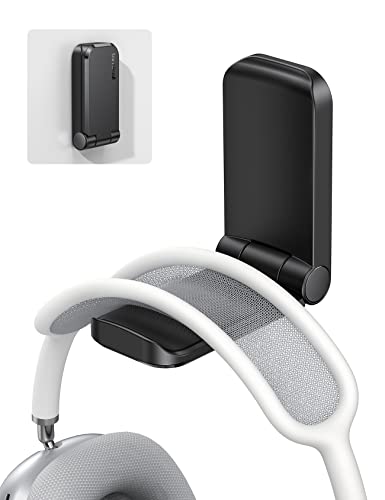
10. A Headphone Stand or Under-Desk Hook
Headphones can take up a surprising amount of desk space when they are laid beside a laptop or balanced on top of books. A dedicated stand or hook gives them a safe place to rest and reduces the chance of tangled cords or accidental damage.
An under-desk hook is ideal when the surface is already crowded. A standing holder may be better if you use your headphones throughout the day and want them visible and easy to grab.
Our recommended options


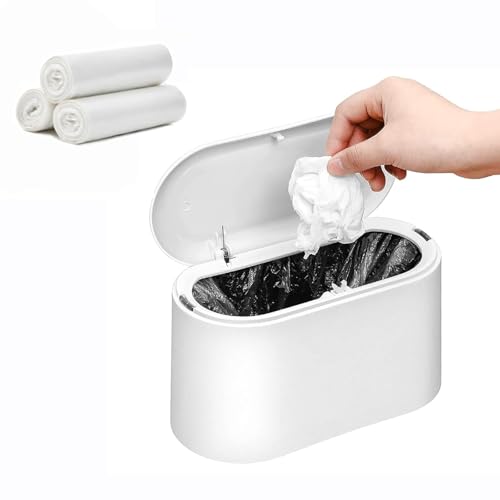
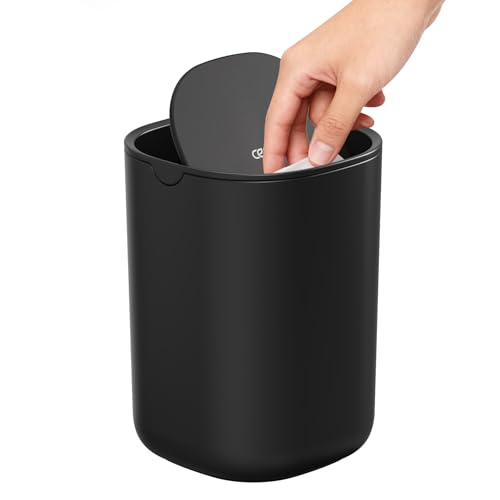
11. A Small Desktop Trash Bin
Scraps of paper, used sticky notes, snack wrappers, and pencil shavings can quickly make a desk look messy. A small trash bin allows you to clear these items immediately instead of leaving them on the surface or floor.
Choose a compact container that can sit beside or beneath the desk without getting in the way. Emptying it regularly is important, especially if you use it for food packaging that could attract insects or create odors.
Our recommended options

12. A Catchall Tray for Daily Essentials
A catchall tray creates one dependable place for your keys, student identification card, wallet, glasses, and other items you use every day. This can prevent rushed mornings spent searching through drawers, backpacks, and pockets.
Place the tray near the edge of the desk or beside the door, depending on your room layout. Choose a size that holds the essentials without becoming a collection point for receipts, coins, and objects you never put away.
Our recommended options



13. A Desktop Whiteboard Calendar
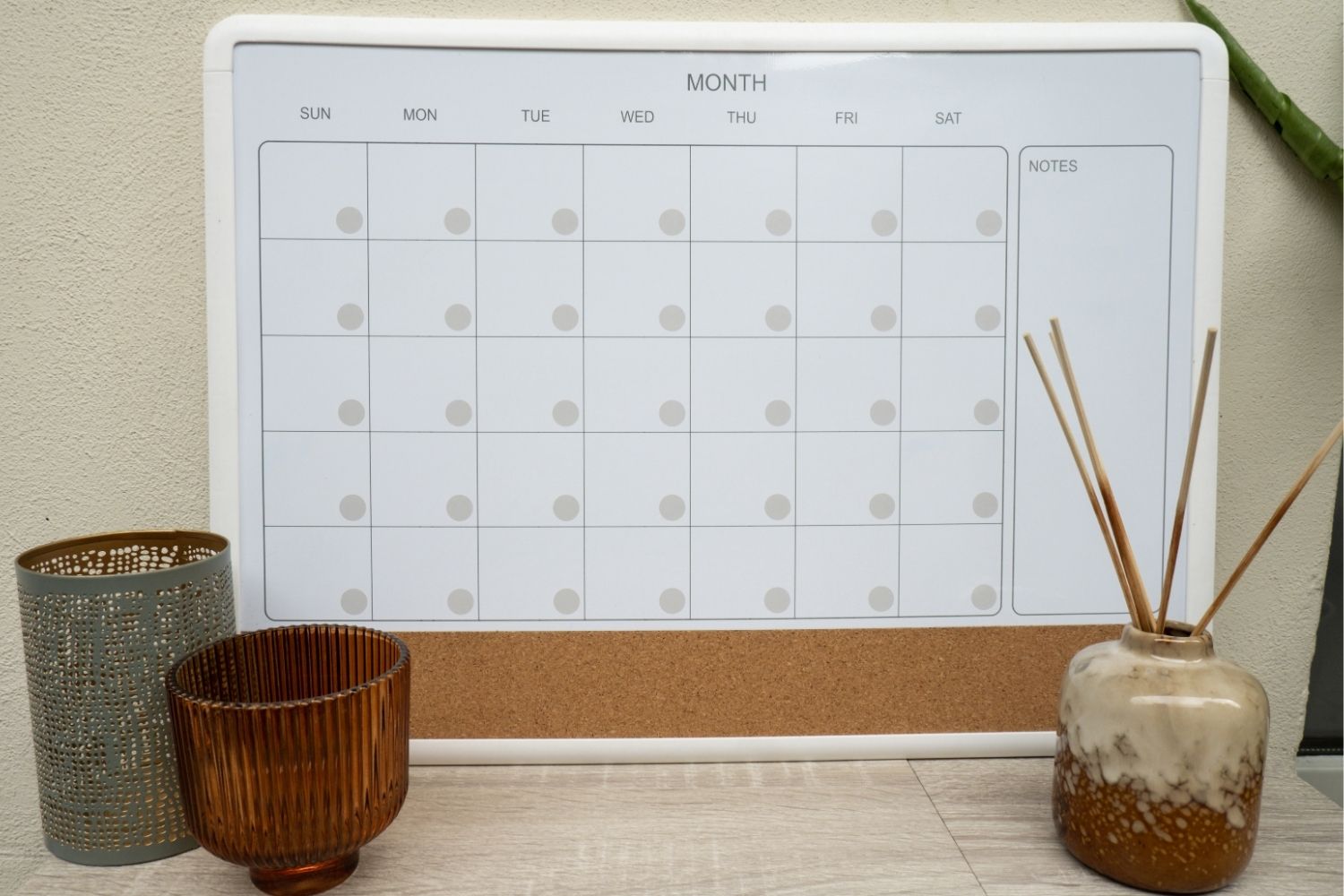
A small whiteboard calendar keeps deadlines, meetings, exams, and weekly priorities visible while you study. Unlike a paper planner kept inside a bag, it provides a clear reminder every time you sit at your desk.
Use it for the most important dates rather than trying to record every small task. Wipe and update it at the beginning of each week so the information stays current and the board does not become background clutter.
Our recommended options