




Table of Contents Show
When dishes break or lose their shine, tossing them out seems like the obvious answer. But honestly, broken china can be the start of something special. I’ve found that these little shards can turn into gorgeous crafts, decor, jewelry, even practical stuff for around the house.
With just a few supplies and some basic know-how, you can transform broken china into eye-catching projects you’ll actually want to show off.
These projects are a way to keep memories from special dishes alive while making something new. Want to try garden art, jewelry, or home accents? Broken china really does open up a world of creative options.
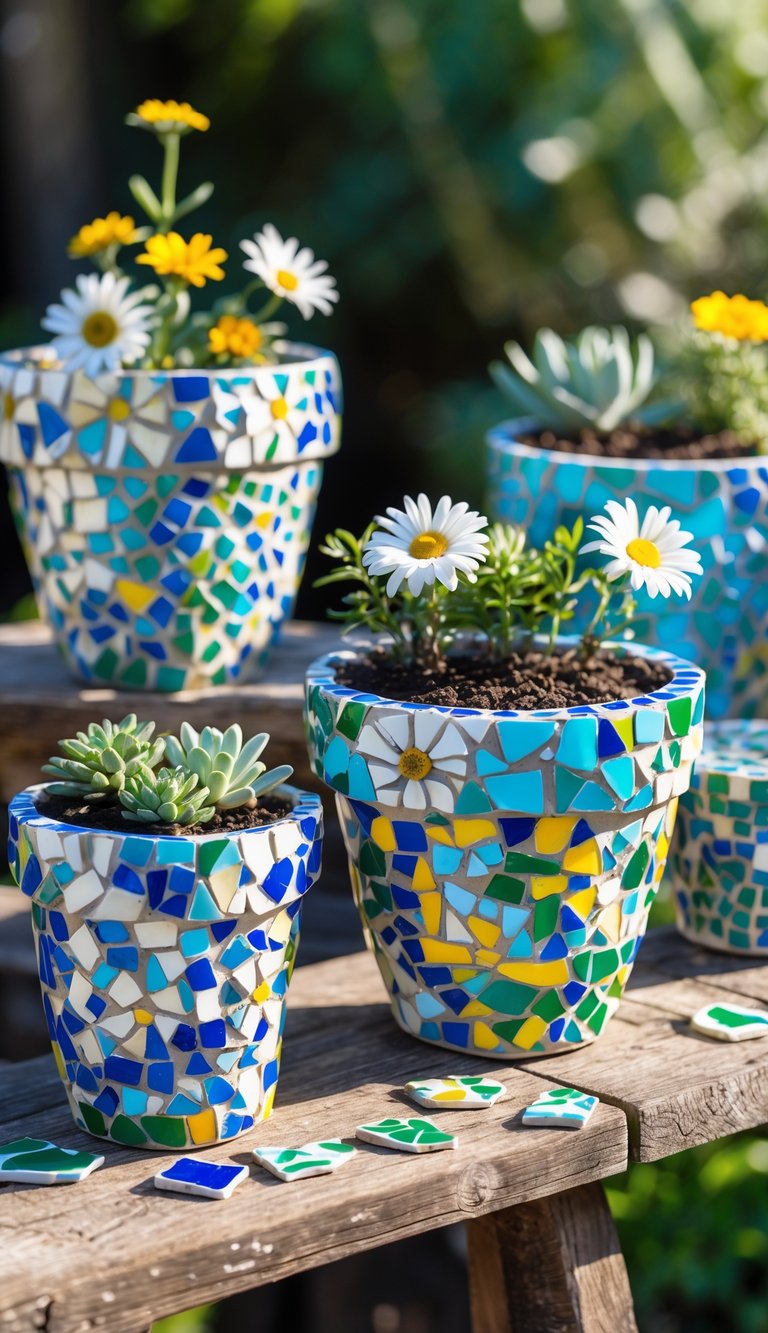
1. Mosaic Flower Pots with Broken China Tiles
Shop Featured Items


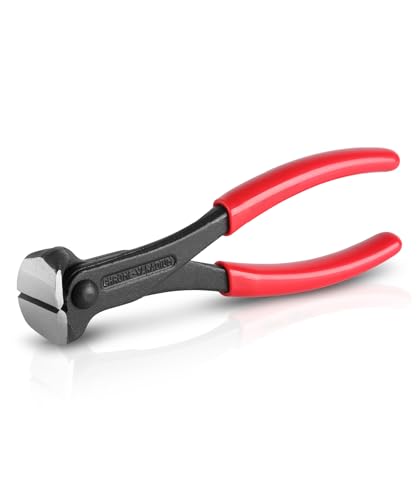
I turn old, broken plates into flower pots with a pretty simple process. I break up the china using tile nippers and start with a clean, dry terra cotta pot.

For People Who Love to Make Things ✂️
After spreading tile adhesive on small areas, I press the china tiles in, leaving little gaps. I just work my way around, no rush.
Once the adhesive sets for a day, I mix up grout and spread it over everything with a sponge.
I wipe off the extra grout with a damp cloth and make sure all the spaces are filled. After the grout cures, the pot’s ready for plants.
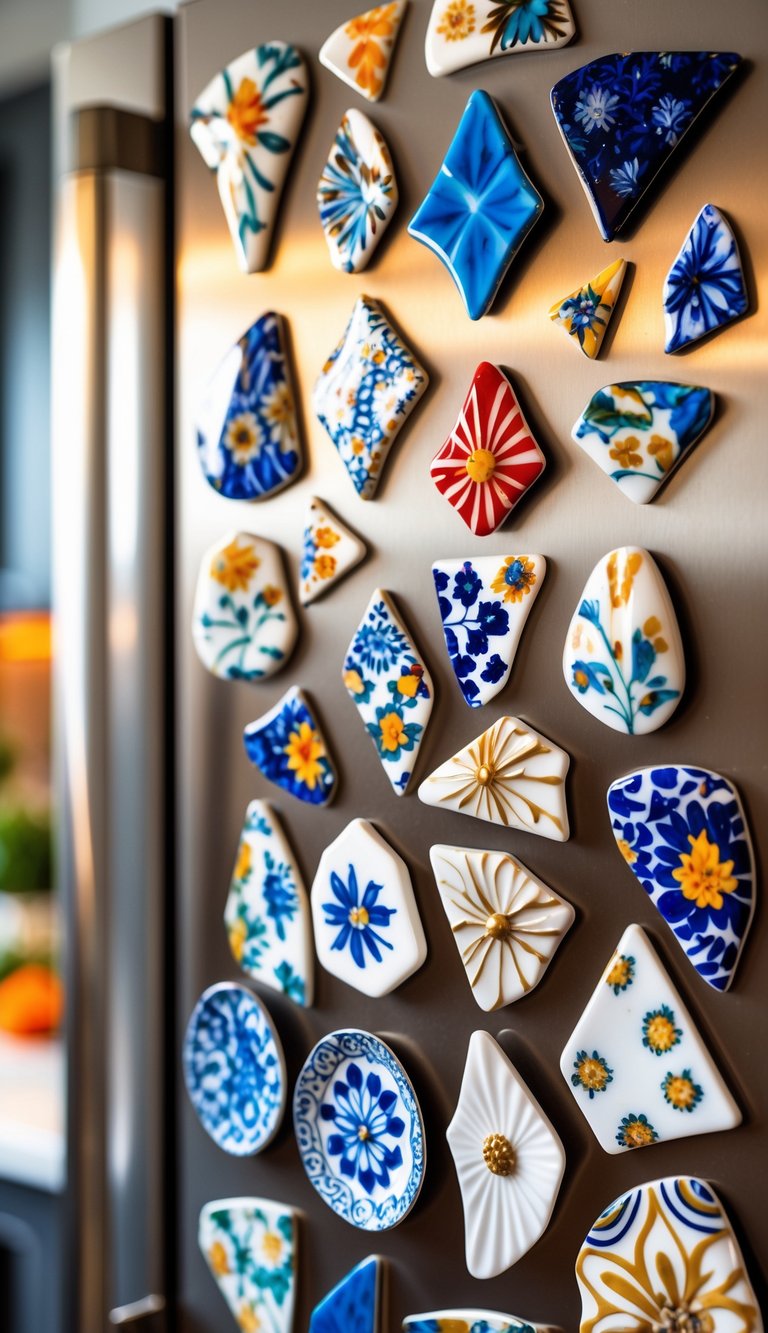
2. Fridge Magnets Using China Shards
Shop Featured Items


Making fridge magnets from broken china is surprisingly satisfying. It saves those pretty pieces and adds a little color to the kitchen.
I grab colorful shards and smooth out any sharp edges with sandpaper or just by rubbing them on concrete.
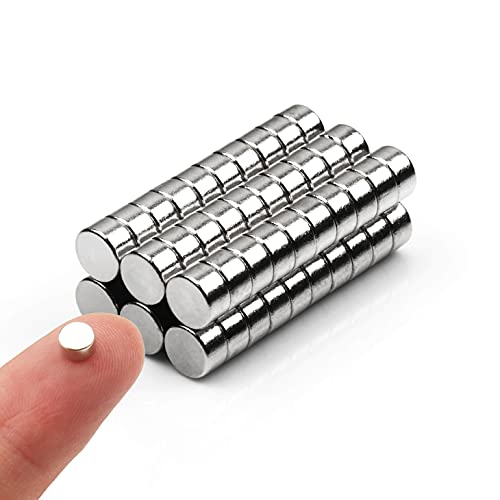
After washing and drying the pieces, I glue small magnets to the backs with a hot glue gun. I try to cover as much of the back as possible so they hold tight.
Ten minutes later, the glue sets. I give each one a quick test on the fridge—some stick better than others, but that’s part of the fun.
3. Broken China Jewelry Pendants
Shop Featured Items

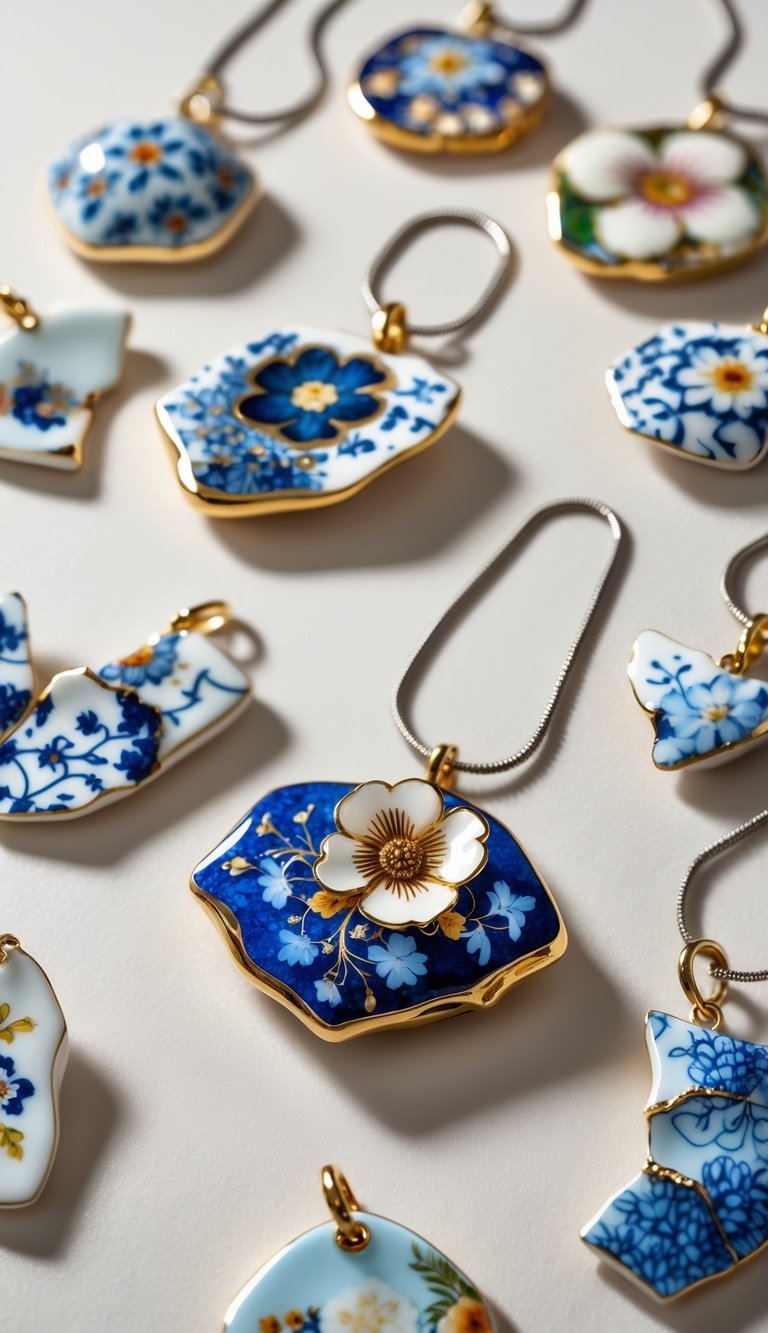
Jewelry pendants from broken china? Absolutely. Damaged dishes can become wearable art.
I pick out small, interesting fragments, clean them up, and smooth the edges with sandpaper.
Then I carefully drill a hole near the top using a ceramic drill bit—slow and steady so nothing cracks.
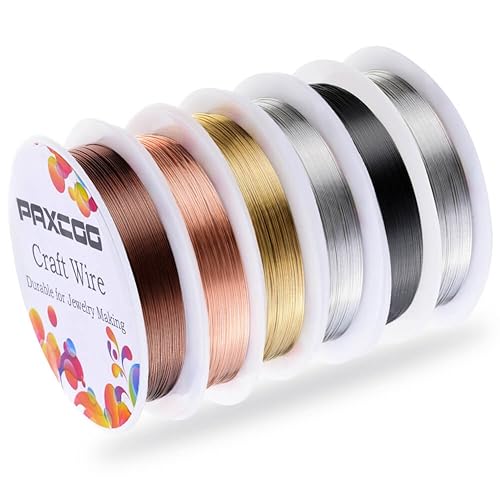
I thread a jump ring or some jewelry wire through, then add a chain or cord. That’s it—each pendant is totally unique.
4. Decorative Mosaic Tabletop
Shop Featured Items


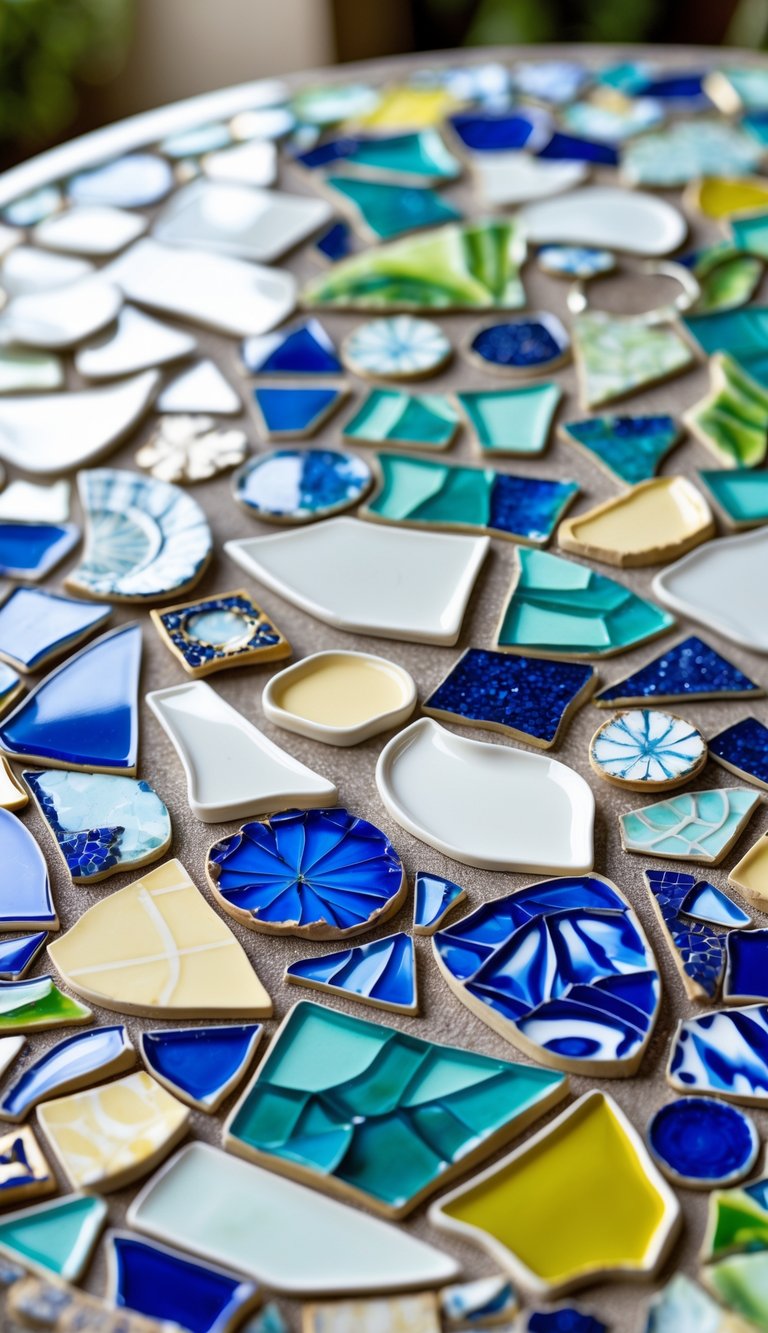
Turning broken china into a mosaic tabletop feels like giving old dishes a second life. I start by washing all my shards and laying them out on the table to plan the design. That part takes a little patience, but it’s worth it.
Working in small sections, I spread tile adhesive and press the pieces in, usually starting from the center and working outward. The pattern just sort of comes together as I go.
5. China Tile Photo Frames
Shop Featured Items



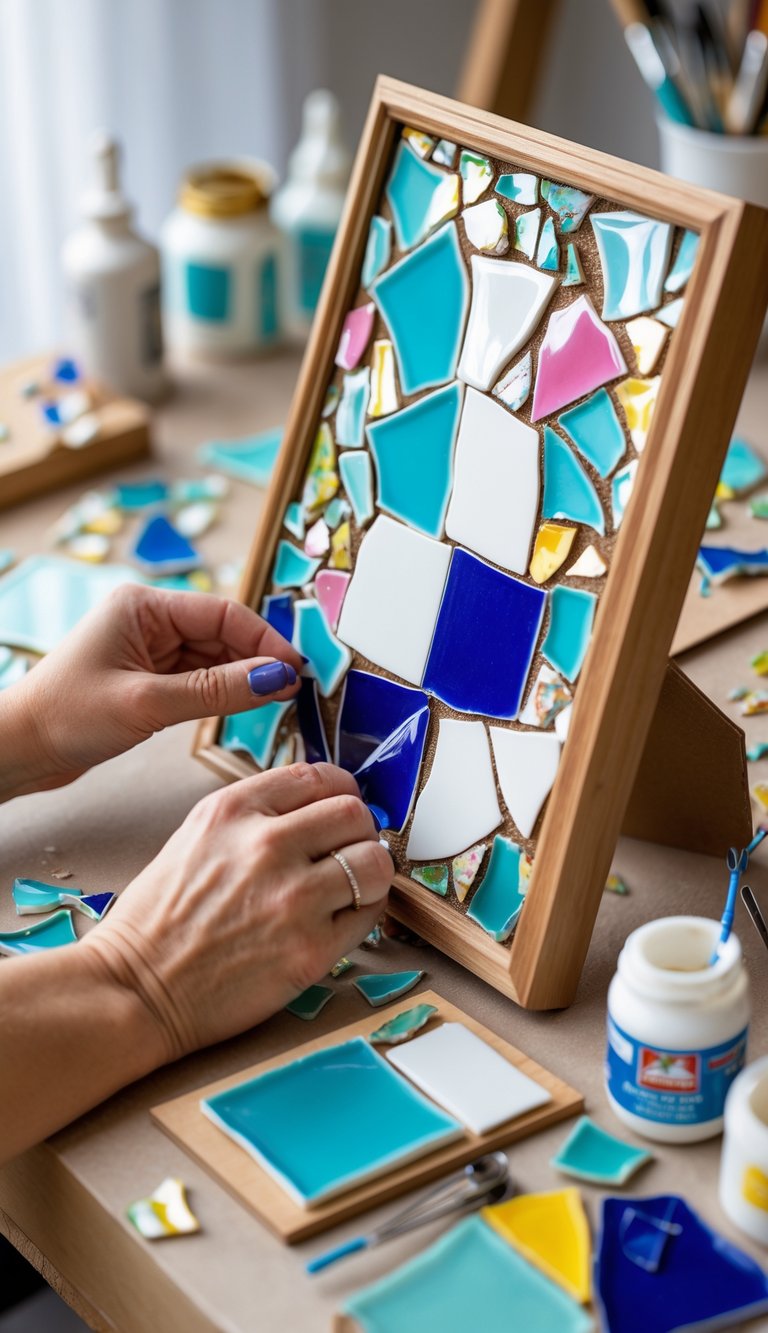
I love turning broken china into picture frames—it’s a great way to make those old patterns part of new memories.
I start with a plain wooden or cardboard frame and break china plates into small pieces with tile nippers.
After spreading adhesive, I fit the pieces around the frame edges like a puzzle.
Once the adhesive dries, I fill in the gaps with grout and wipe away the extra. Let it sit overnight and you’ve got a frame that’s anything but boring. Blue and white patterns look especially nice for family photos.
6. Broken China Garden Stepping Stones
Shop Featured Items


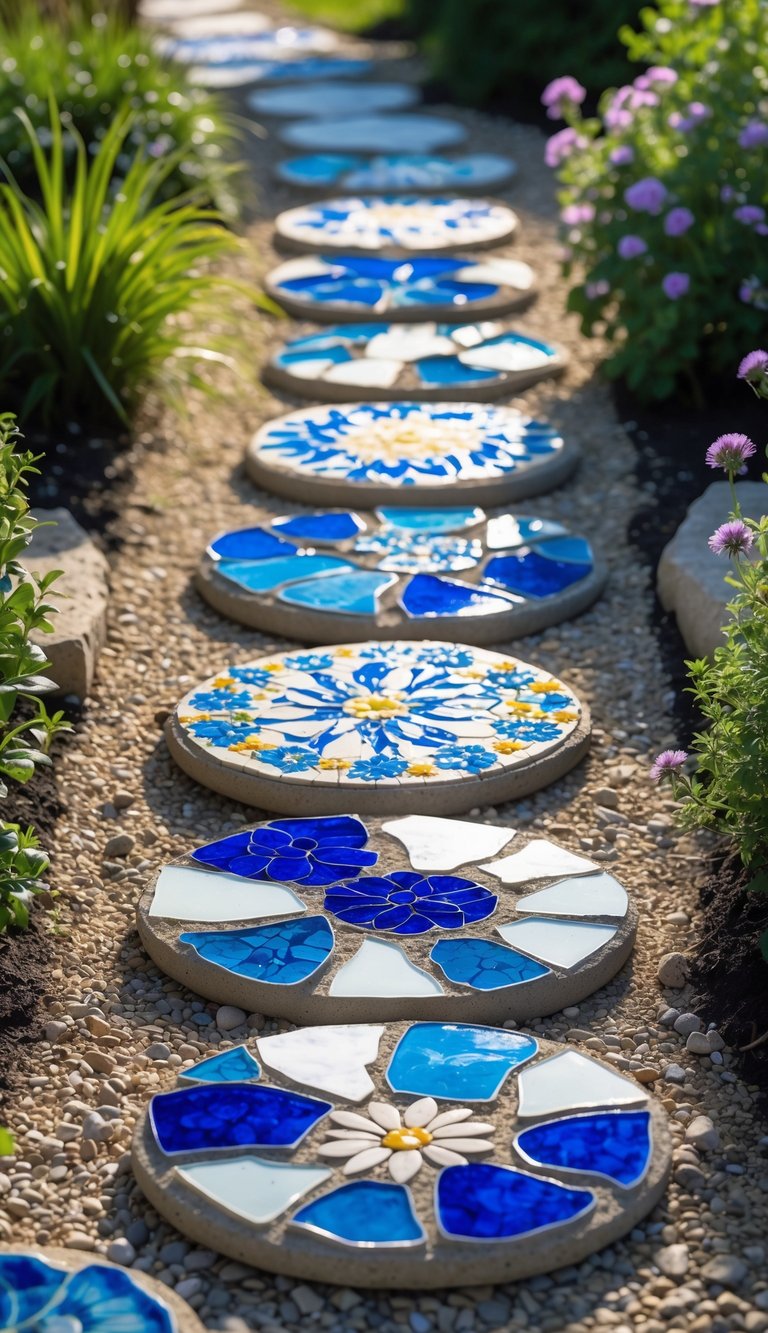
I like making stepping stones for the garden out of broken teacups and dishes. It’s a fun way to add color outside.
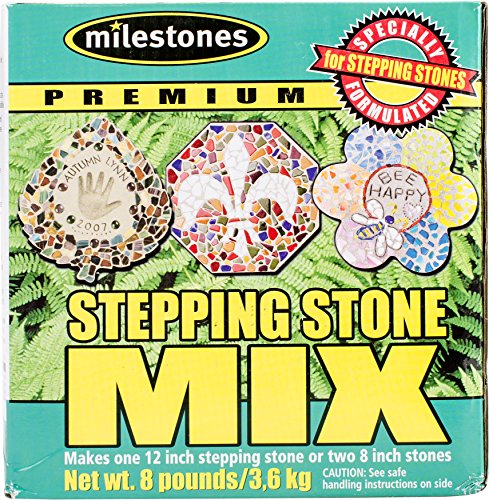
I pick out small, colorful china pieces, then grab some concrete stepping stone mix and a mold from the hardware store.
After mixing the concrete and pouring it into the mold, I let it set for half an hour. While it’s still soft, I press the china pieces in, arranging them however I want.
The next day, I pop the stone out of the mold and set it in the garden. It’s a bit quirky, but that’s the charm.
7. Coasters with Embedded China Pieces
Shop Featured Items

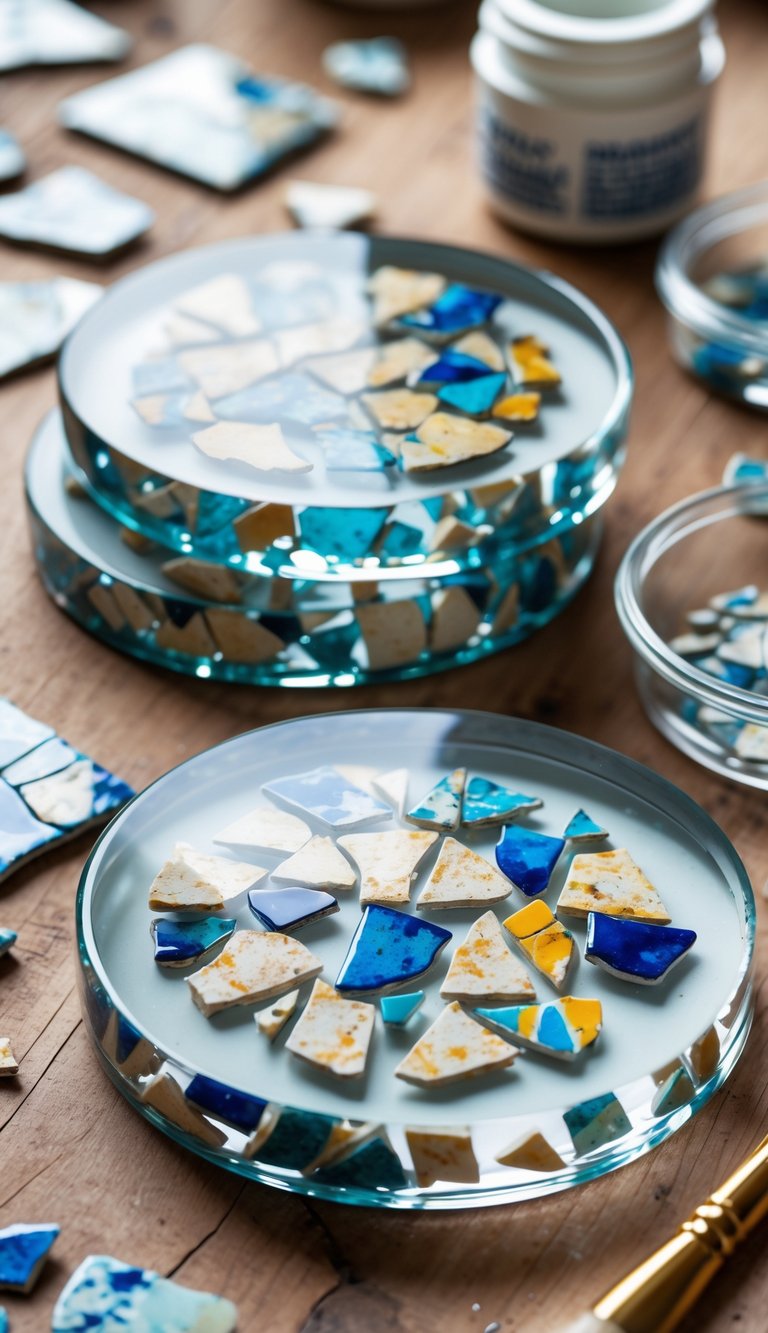
Making coasters with broken china and resin is actually pretty easy. I arrange flat pieces in silicone molds, making sure they fit well.
After mixing up two-part epoxy resin, I pour it over the china until the mold’s full. Then I just let it cure for a day.
The finished coasters are smooth, waterproof, and always a conversation starter.
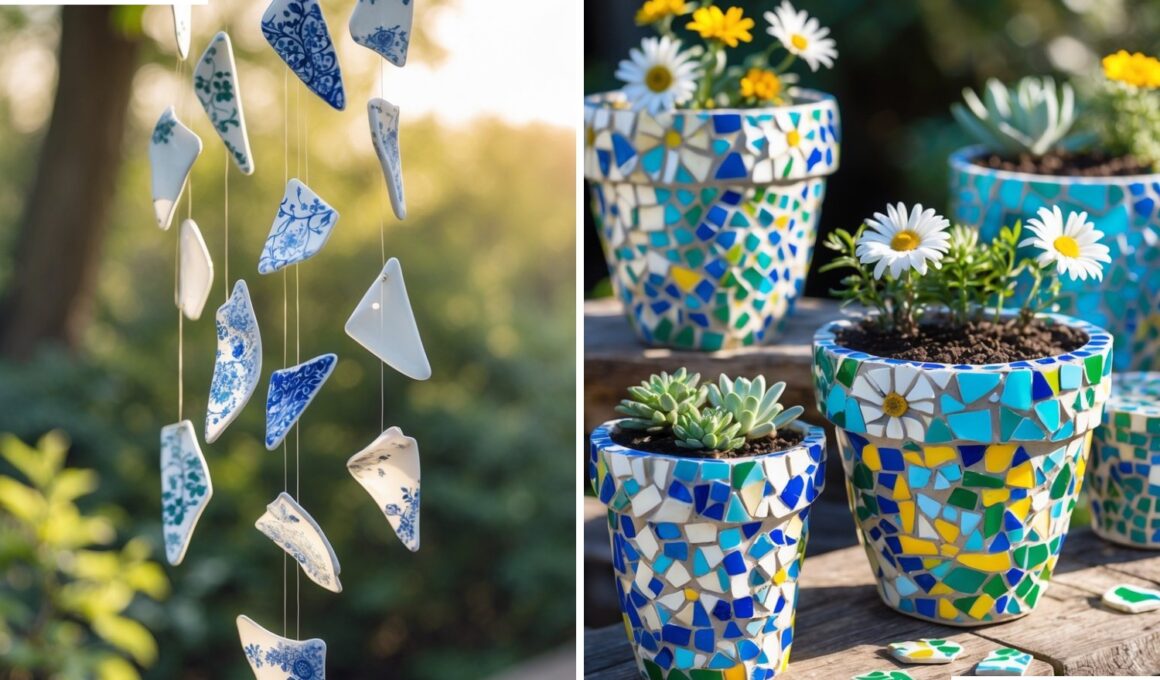
8. China Shard Wind Chimes
Shop Featured Items
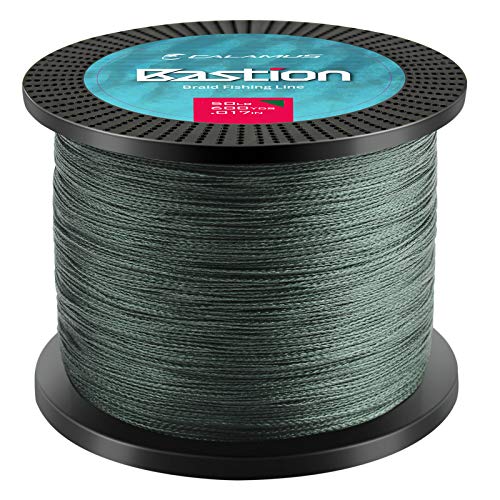


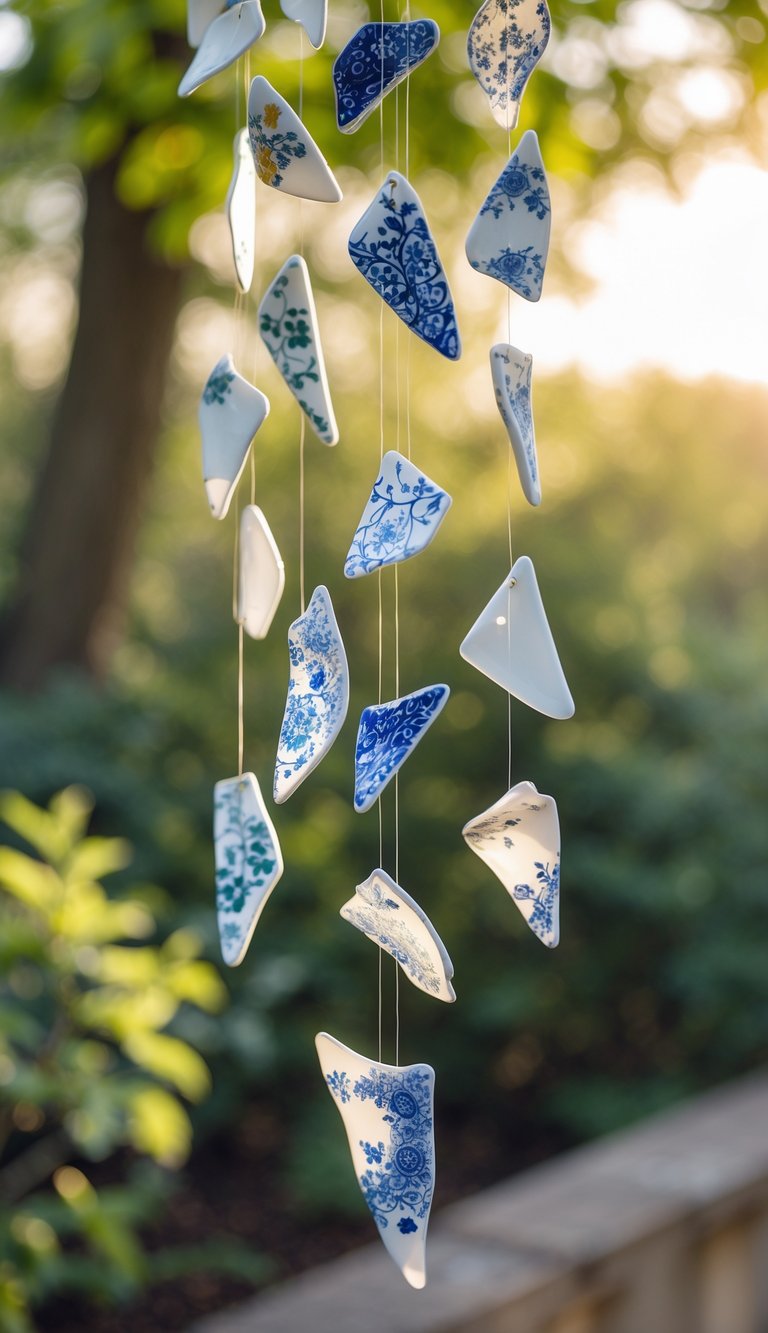
Wind chimes made from china shards? They sound lovely and look even better.
I drill a small hole in each piece, thread fishing line through, and tie them to a wooden ring at different lengths.
When the wind blows, the china pieces clink together with a gentle sound. I usually hang mine on the porch or in the garden—somewhere it’ll catch a breeze.
9. Jewelry Boxes with China Mosaic Inlay
Shop Featured Items
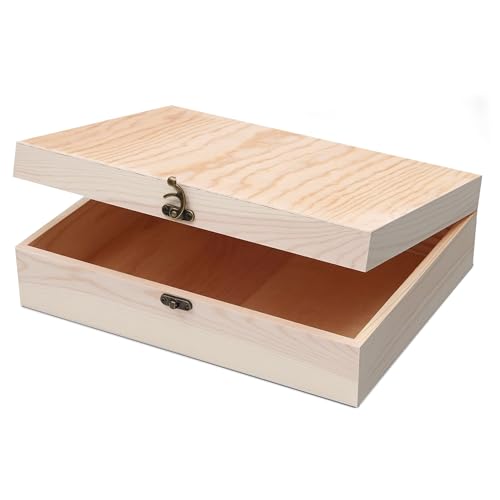

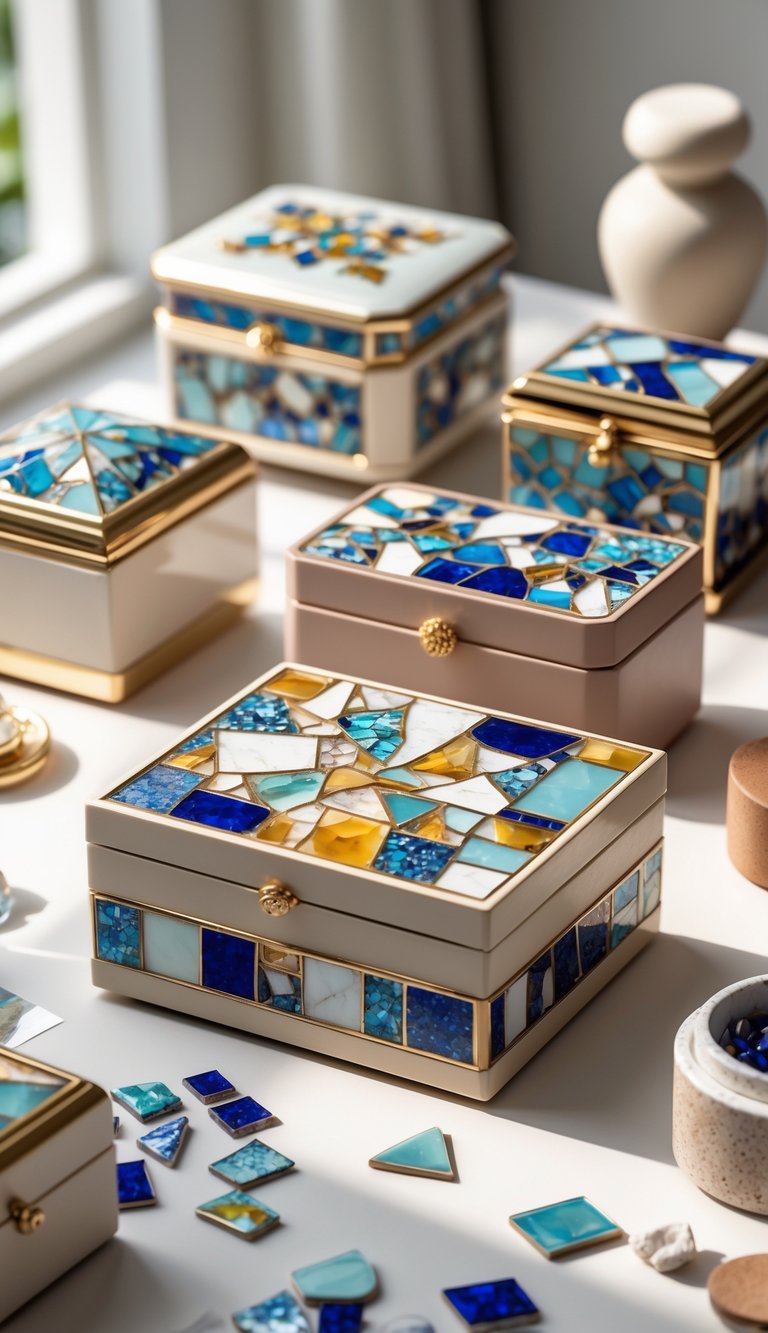
Jewelry boxes with a broken china mosaic just feel special. I start with a plain wooden box and arrange clean shards on the lid until I like the look.
I use tile adhesive in small sections, pressing each piece in place. Once everything dries, I fill in the spaces with grout and wipe away the extra.
It’s a fun way to turn broken dishes into something you’ll actually use—and maybe even treasure.
10. Accent Mirror Frames Decorated with China
Shop Featured Items

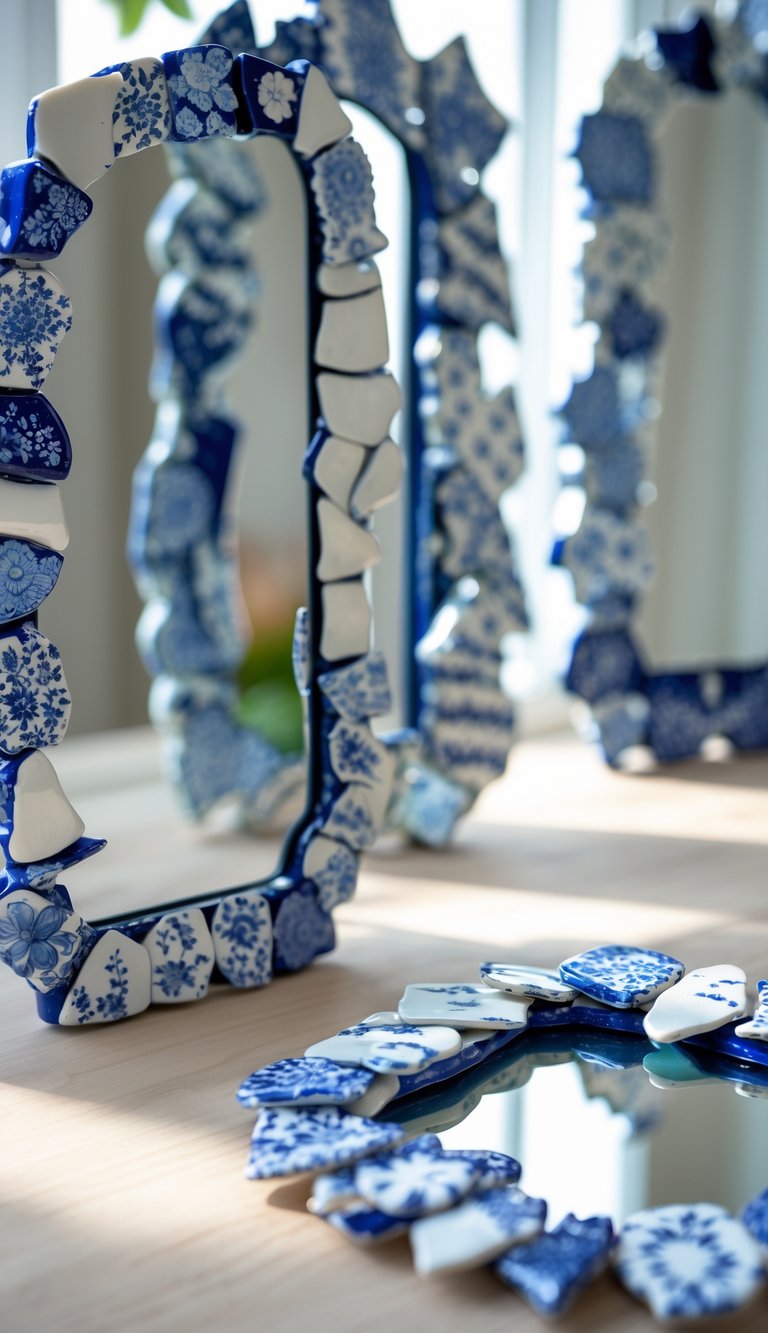
Decorating mirror frames with broken china gives any room a pop of color and texture. I gather what I need: a plain mirror, shards, adhesive, grout, and a pair of safety goggles (breaking china can get messy).
I break the china in a pillowcase with a hammer—gently, just enough to get nice pieces. Then I sort them by color and size. It helps with the design.
After cleaning the frame and laying out the pattern, I glue the pieces in place, working in small areas so the adhesive doesn’t dry out.
When everything’s set, I grout between the pieces and wipe away the excess. The finished mirror always ends up being a real statement piece.
11. DIY Broken China Necklace Charms
Shop Featured Items


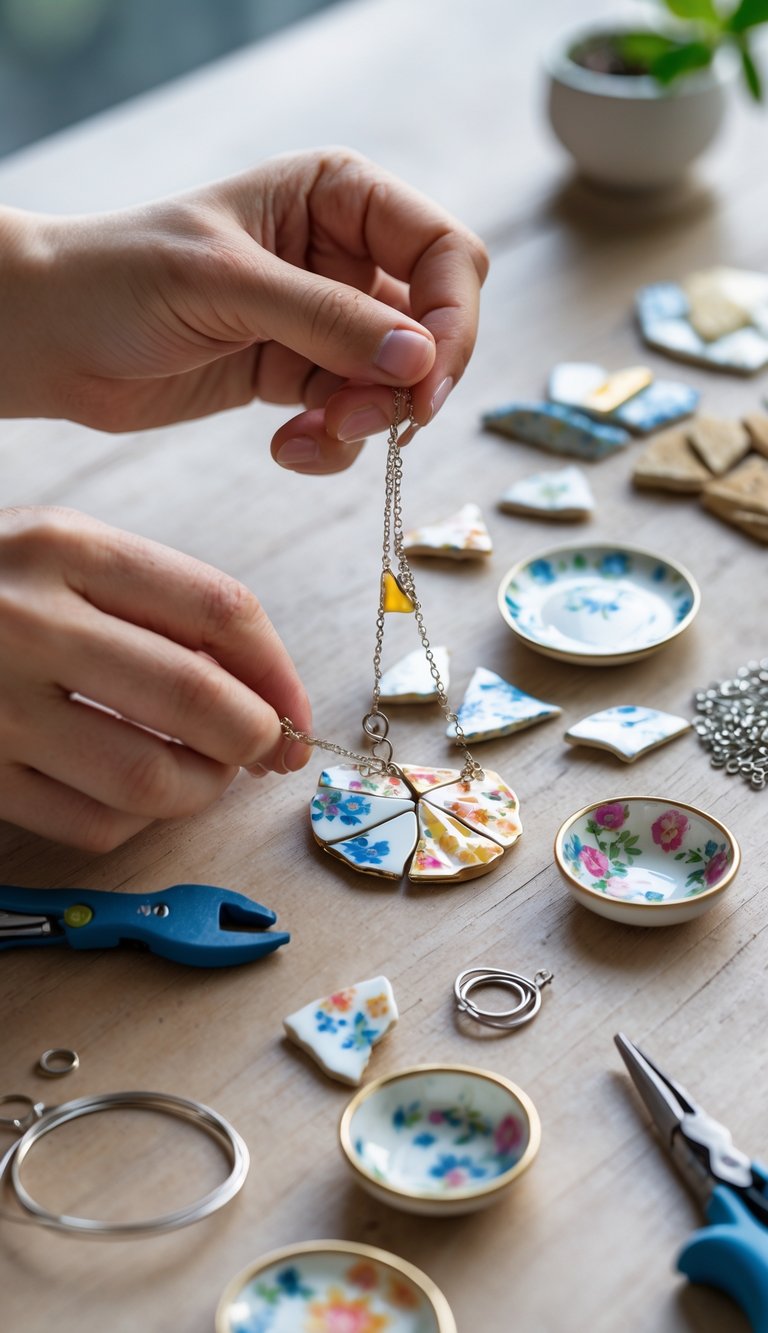
Little necklace charms from broken china are one of my favorite projects. I look for tiny shards with interesting patterns, usually about the size of a quarter or smaller.
I sand the edges smooth, then drill a hole near the top—carefully, because some pieces can be fragile.
After adding a jump ring and slipping it on a chain, I’ve got a charm that’s one-of-a-kind and surprisingly meaningful.
12. China Chip Candle Holders
Shop Featured Items



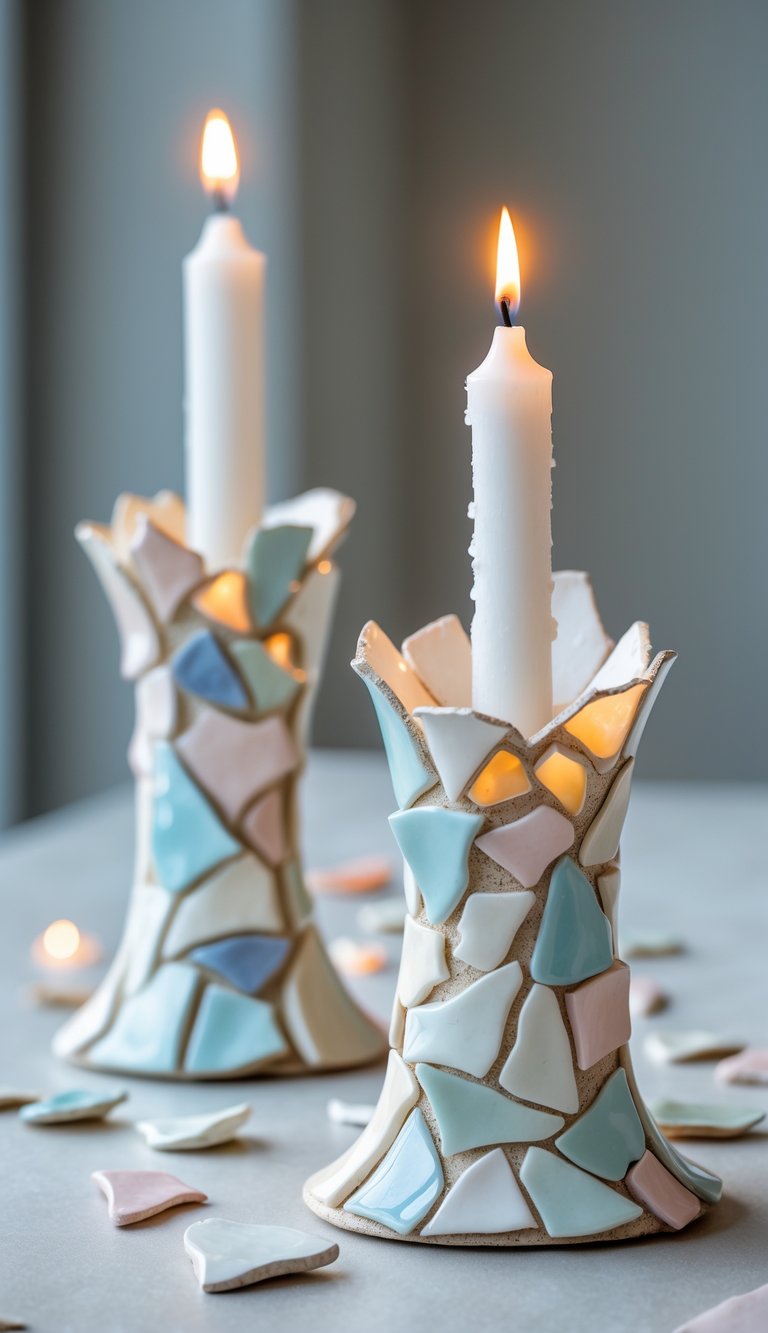
I like making candle holders from broken china. The chips and cracks give them real character.
I pick out flat pieces—saucers or small plates work best—clean them, and make sure there are no sharp bits left.
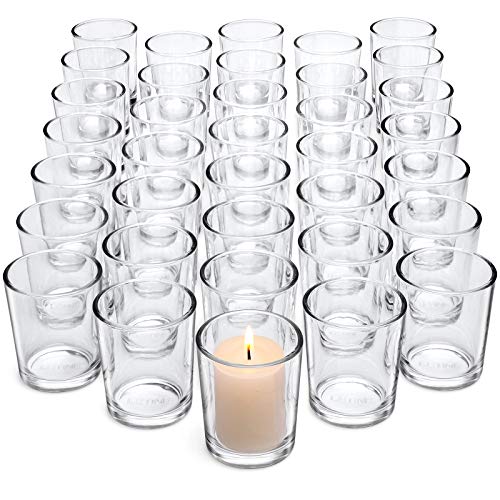
Then I glue a glass votive holder to the center and let everything dry before adding a candle. They look great on the dinner table or just about anywhere.
13. Decorated Plant Markers from China Pieces
Shop Featured Items


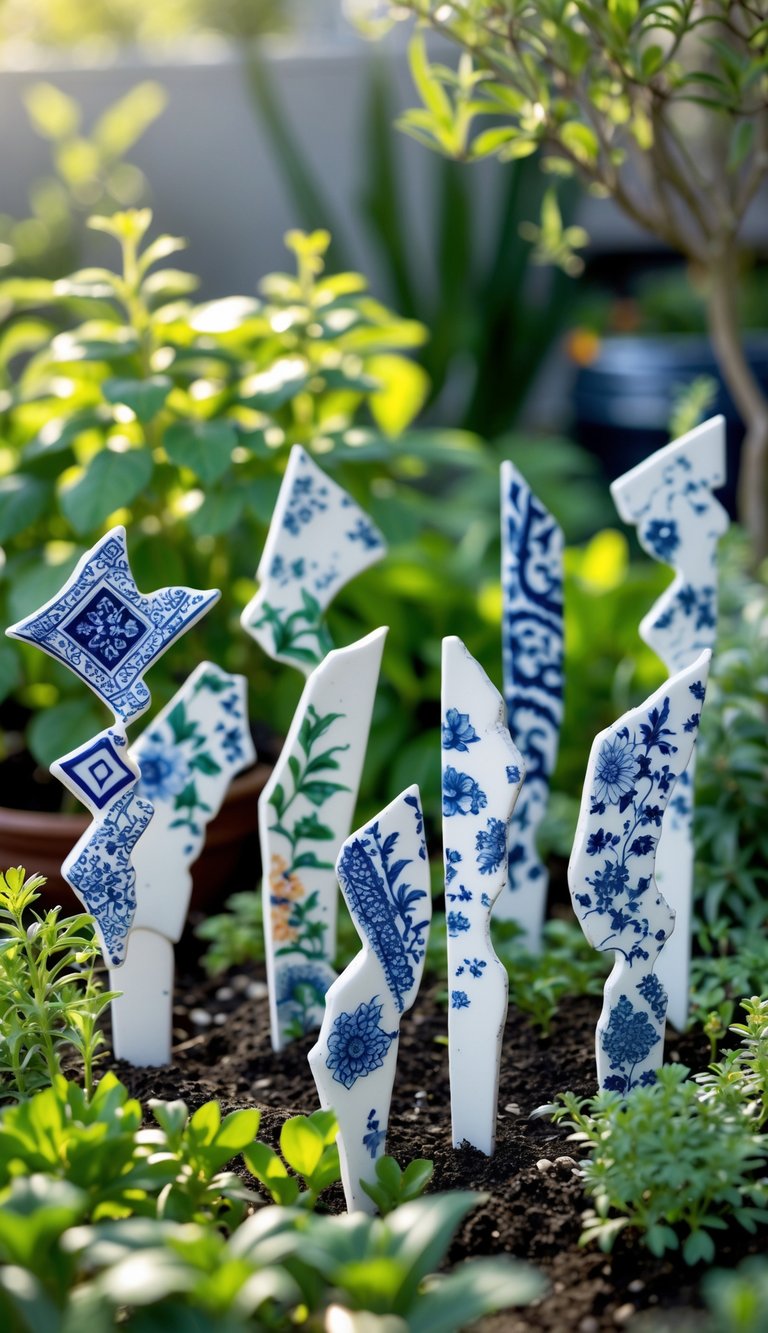
I turn broken china into handy garden markers for labeling my plants. It helps me keep track of what’s growing where, and honestly, it’s a bit more fun than plastic tags.
I pick out flat pieces of broken china—gotta be big enough to write on, so I usually go for ones around 2 or 3 inches wide.
With a permanent marker, I write the plant names directly on the china. I usually trace over the letters twice so they show up nice and bold.
I just push the pointed end of each piece into the dirt next to my plants. The patterns brighten up the garden, and everything stays organized (well, mostly).
14. Decorative Wall Art Mosaics
Shop Featured Items


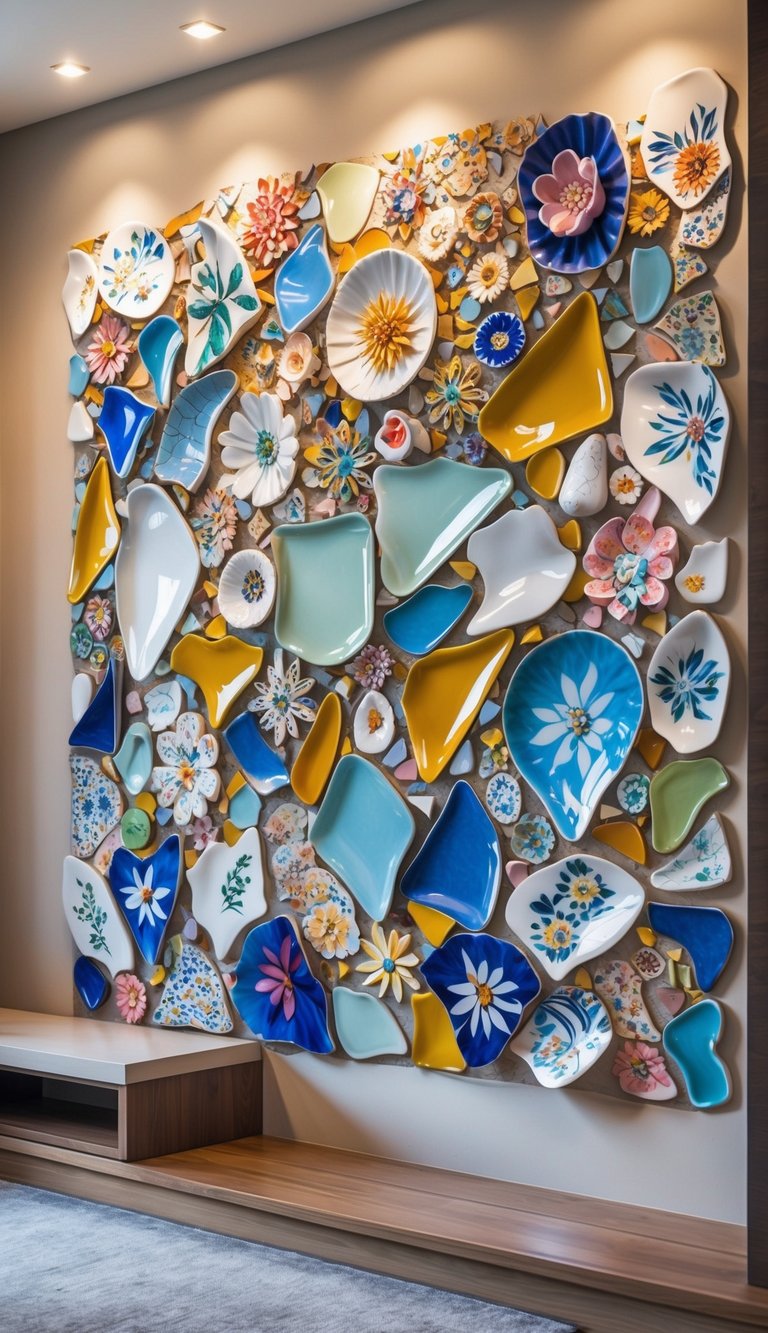
Making wall art with broken china is one of my favorite creative outlets. The way the fragments catch the light—there’s just something special about it.
I sketch my design on a wooden board or canvas. If you’re just starting, simple shapes like flowers or geometric patterns are way less intimidating.
I break my china into smaller bits using a hammer (tucked in a cloth bag so shards don’t go flying). Safety glasses are a must, even if you feel silly wearing them.
I like to lay out the pieces on my design before gluing anything down. That way, I can play with color and pattern until it feels right.
Tile adhesive goes on in small sections. I press each china piece in, leaving little gaps for grout later.
Once the adhesive dries (I usually let it sit overnight), I spread grout everywhere and wipe away the extra with a damp sponge.
15. China Mosaic Trivets
Shop Featured Items


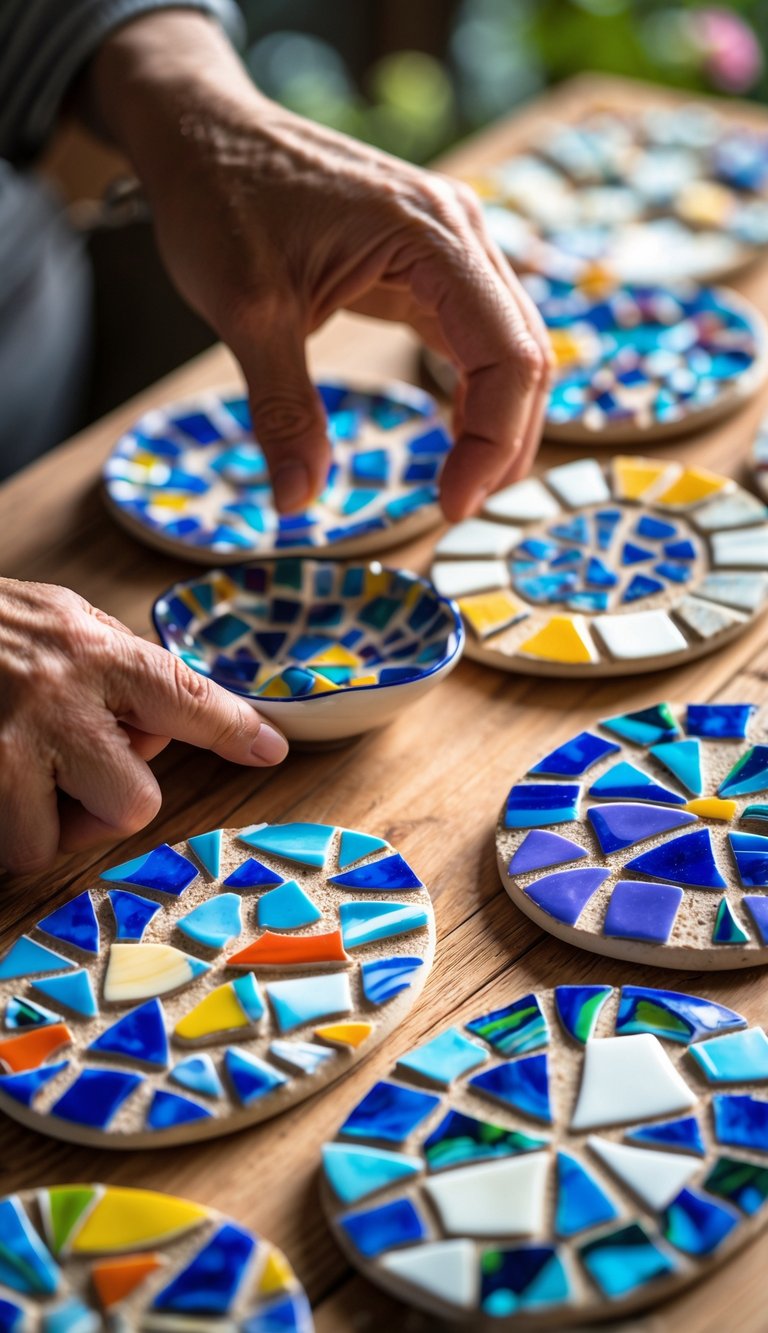
I get a kick out of making trivets from broken china. Not only do they protect my table, but they look lovely too. They’re surprisingly sturdy for hot pots and dishes.
I start with a plain wooden or cork base. I break the china into small bits with tile nippers (it’s kind of satisfying, honestly). Then I arrange the pieces in a pattern I like and glue them down with ceramic adhesive.
After the glue dries, I fill in the gaps with grout and wipe off any extra with a damp cloth. The finished trivet adds a bit of charm to any table—sometimes I wish I had more broken plates just for this.
16. Ornamental Key Holders with China Tiles
Shop Featured Items


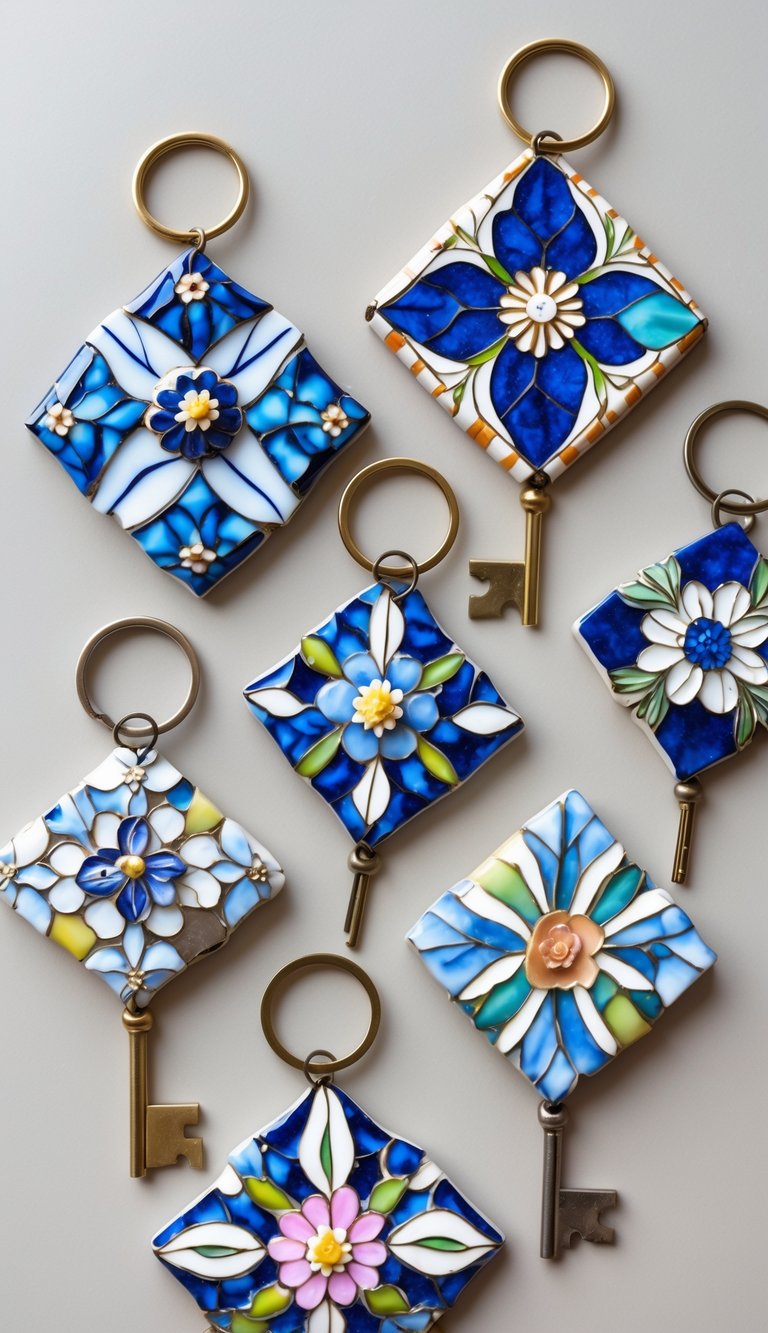
I use broken china to make key holders that jazz up my entryway. It’s a nice mix of function and style (and a good excuse to keep pretty shards around).
I grab a wooden board or metal backing and arrange small china pieces in whatever pattern catches my eye that day.
I glue each piece down with strong adhesive, leaving space for grout. Once the tiles are secure, I add hooks for keys—sometimes I use screws, other times adhesive hooks if I’m in a hurry.
After grouting between the china pieces (white or colored grout both look good), I wipe away the extra before it dries. I hang the finished holder near the door. The colors make me smile every time I grab my keys.
17. Broken China Christmas Ornaments

Shop Featured Items


Making Christmas ornaments from broken china is one of those projects that feels way more special than store-bought decorations. Each one is unique and adds a personal touch to my tree.
I pick out colorful fragments with interesting patterns, aiming for pieces that are about the same size and thickness so they hang nicely.
First, I sand the sharp edges with fine sandpaper (don’t skip this part—ouch). I wash each piece and let it dry completely.
Then I drill a small hole near the top using a ceramic bit. I thread ribbon or wire through the hole to make a loop for hanging. That’s it—simple, but they look great on the tree.
18. China-Embedded Resin Paperweights
Shop Featured Items


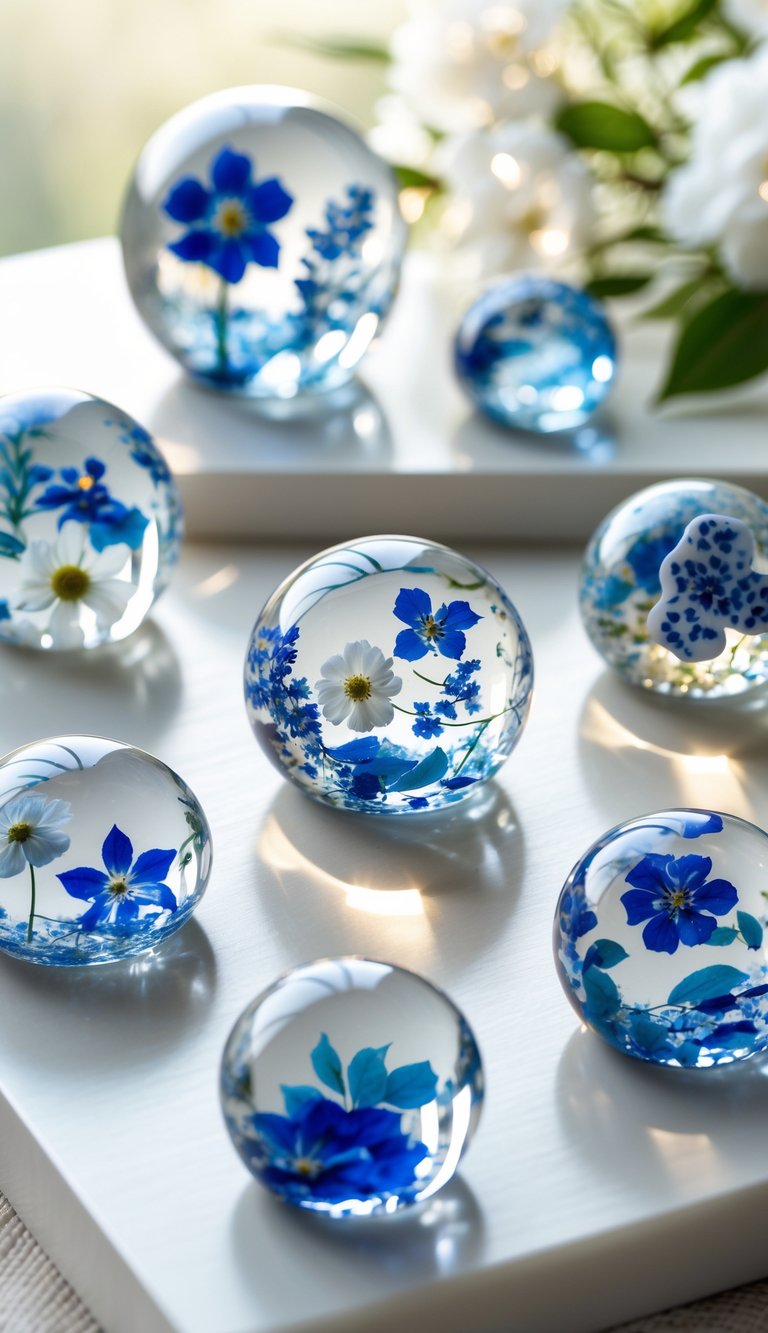
If you’ve got broken china you just can’t part with, try preserving it in resin paperweights. They end up looking like little art pieces for your desk.
I pick out small fragments that fit the mold, making sure each piece is clean and dust-free.
I arrange the china in the mold, pour in resin halfway, and let it cure. Once it’s set, I add the rest of the resin to fill the mold. After a full day (waiting is the hardest part), I pop out the finished paperweight. It’s a neat way to keep those memories around.
19. Decorated Serving Tray with Broken China
Shop Featured Items

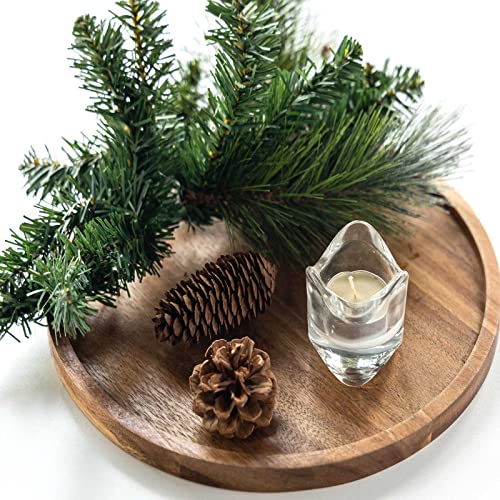

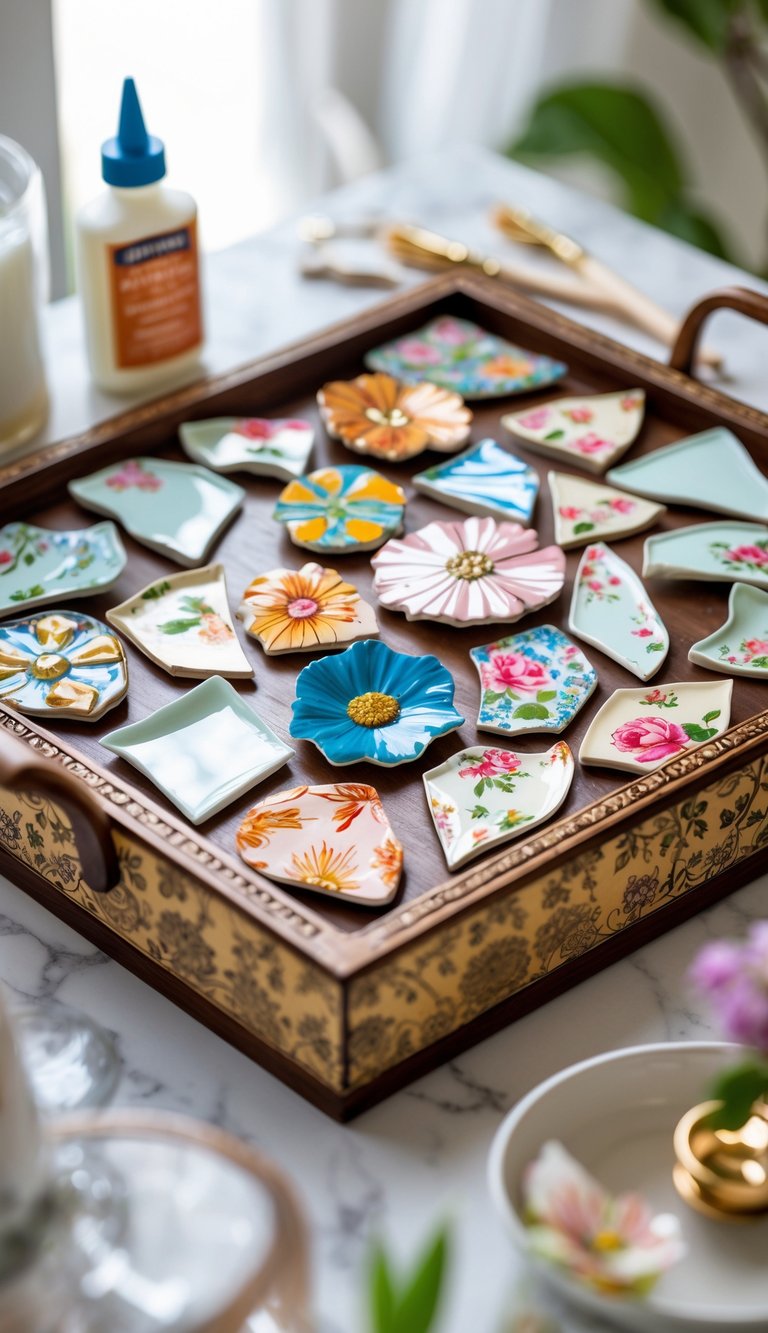
I like making serving trays out of broken china and plain wooden trays. It’s a clever way to turn damaged dishes into something useful for the kitchen—or just a fun bit of decor.
Usually, I grab a pile of broken china and start arranging the pieces on a wooden tray until it looks right. Once I’ve got a design that feels good, I slather on some tile adhesive and press each piece down firmly.
For the gaps, I use grout and a rubber spatula, trying not to make too much of a mess. When the grout finally dries (which always takes longer than I expect), I wipe away the extra with a damp cloth and hope I didn’t miss any spots.


VERY IMPRESSIVE! I love your inspiration, thank you.
My favorite are #3, the pendants. Can you share what gold paint/dip you used for the edges? They’re absolutely GORGEOUS.
Thank you! For the gold edging on the broken china pendants, I used Pebeo Gold Leaf Gilding Wax for a rich metallic finish. You can also try Liquid Leaf in Classic Gold by Plaid for a similar effect—it dries quickly and gives a smooth, professional look. Just make sure to seal it with a clear varnish to protect the shine!
I’m exploring broken china techniques. I love the smooth the edges on many your broken china pieces, i.e., the Fridge Magnets and the Wind Chimes. How do you get them to look like a rounded edge? Also, the Broken China Jewelry Pendants are lovely. How do you get the gold edges of the pendants?
Hey Patti,
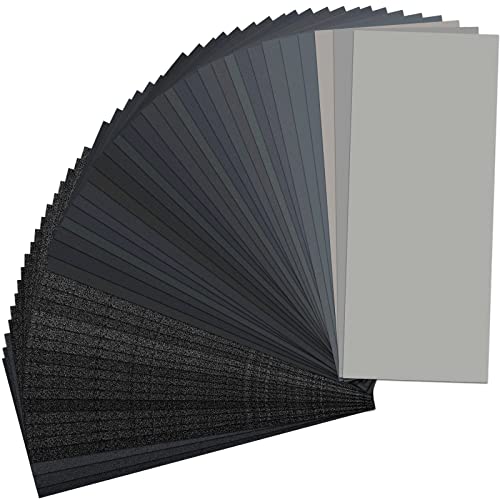
To get that smooth, rounded edge on the broken china pieces, I carefully sand the edges using a Dremel rotary tool with a grinding stone attachment, followed by wet/dry sandpaper (starting with 400 grit and finishing with 1000 grit) to make them soft and safe to touch.
For the gold edges on the jewelry pendants, I use Liquid Leaf in Classic Gold by Plaid or Pebeo Gold Leaf Gilding Wax. Both give that rich, shiny finish. After applying the gold, I seal the piece with a clear varnish to protect the shine and prevent tarnishing.
These images are all ai generated 🙁
Hi! Thanks for your feedback. The images are AI-generated to help illustrate the ideas visually, but the craft projects themselves are real and doable.
I use them to spark creativity, especially for visual platforms like Pinterest *where you most likely found this one*. I always aim to include helpful instructions or tips too. Appreciate you stopping by!