





Table of Contents Show
Starting college often means shopping for a completely new routine. You are not only preparing for classes. You are also figuring out how to study in different places, carry everything across campus, keep a small dorm room organized, and handle everyday problems without relying on someone at home.
The most useful college supplies are the ones that save time, prevent stress, and make your daily schedule easier.
Instead of filling your cart with trendy items you may never use, start with practical essentials that can support you throughout your first semester and beyond.
1. A Comfortable Backpack With a Padded Laptop Compartment
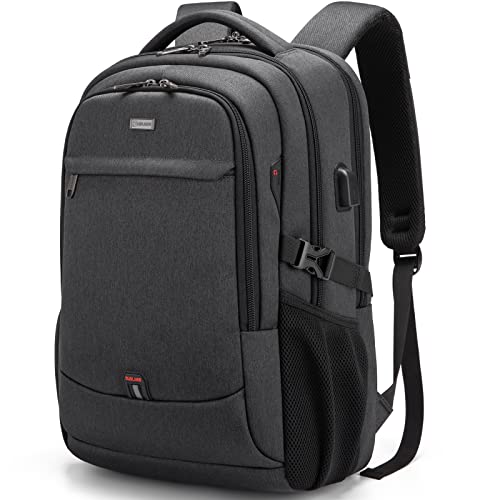
A strong backpack will follow you almost everywhere, from morning lectures and library sessions to club meetings and weekend study groups. Choose one with padded shoulder straps, a supportive back panel, and enough room for your laptop, notebooks, chargers, water bottle, and a few personal items.
Separate compartments make it easier to find things without emptying the entire bag in the middle of class. A water-resistant outer material is also worth having because campus weather can change quickly, and you do not want rain reaching your laptop or assignment notes.

For People Who Love to Make Things ✂️
Our recommended options


2. A Reliable Laptop That Can Handle Your Coursework
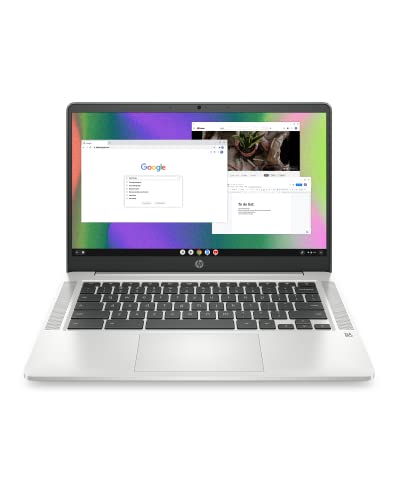
Your laptop will likely become your main tool for writing papers, attending virtual meetings, completing assignments, taking quizzes, and accessing course materials. You do not always need the most expensive model, but it should be dependable, lightweight enough to carry, and compatible with the software required for your program.
Before buying one, check whether your college or department has specific technology recommendations. Students studying design, engineering, media, or computer science may need more processing power than someone mainly using documents, presentations, and web-based platforms.
Our recommended options


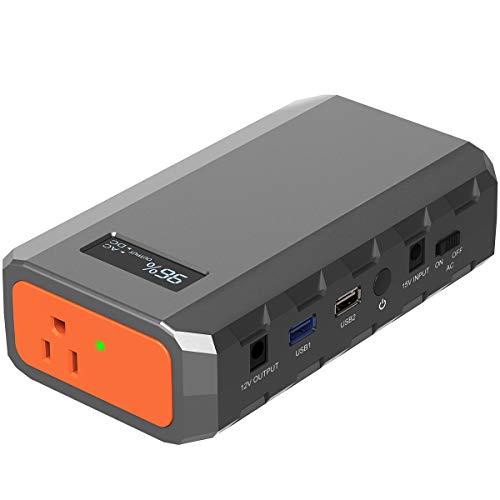
3. A Portable Laptop Charger or High-Capacity Power Bank
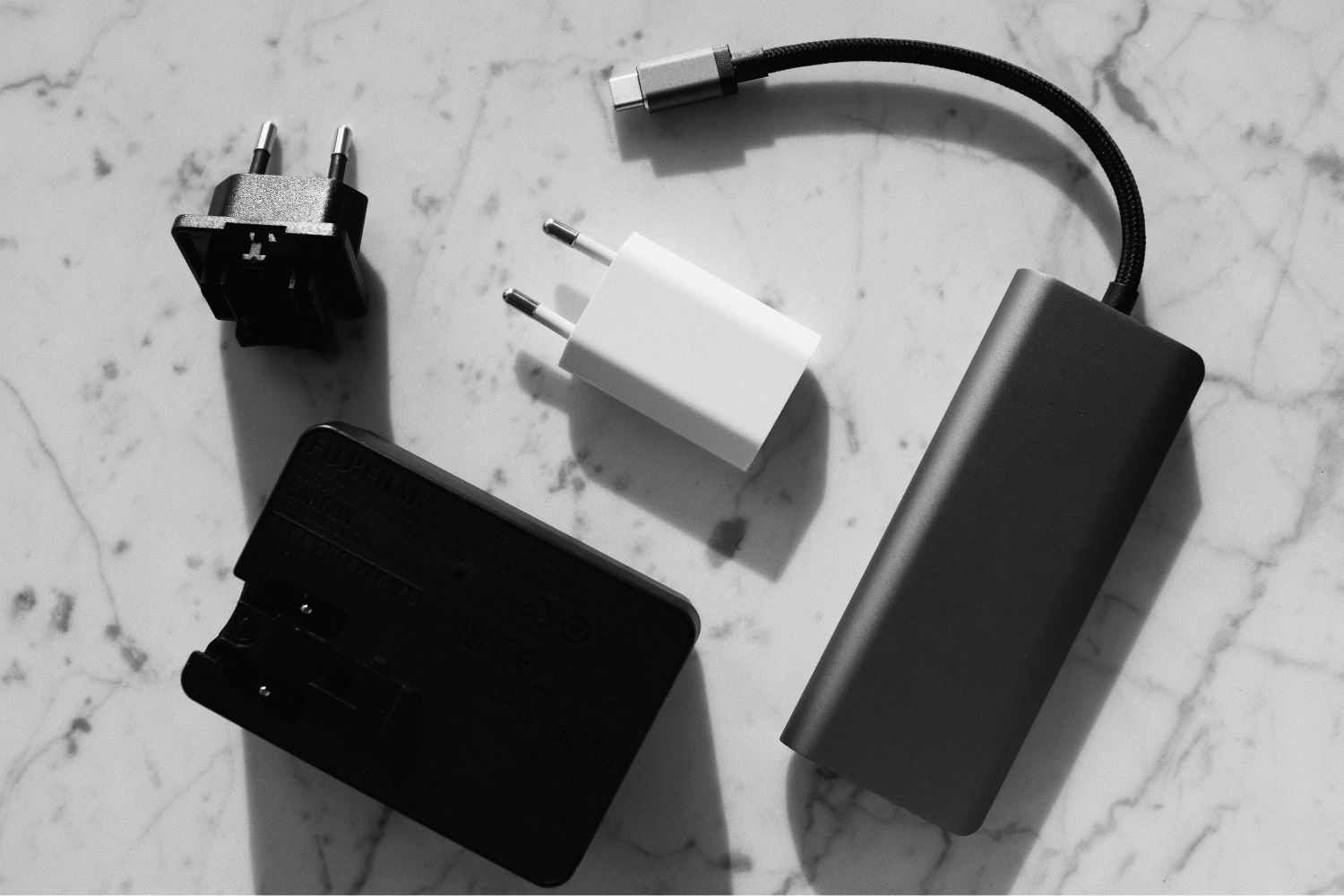
Available outlets can be difficult to find in busy lecture halls, libraries, airports, and campus cafés. A high-capacity power bank gives you a backup when your laptop or phone battery begins dropping during a long day away from your dorm.
Look for one that supports fast charging and has enough output for the devices you plan to carry. Keep the correct charging cables inside your backpack so you are not left with a fully charged power bank that you cannot connect to anything.
Our recommended options


4. Noise-Canceling Headphones for Focused Study Sessions
Dorms, student lounges, libraries, and shared apartments are not always quiet. Noise-canceling headphones can help you focus when your roommate is talking, someone nearby is watching television, or a study area becomes busier than expected.
They are also useful for online classes, recorded lectures, calls, and long trips home. Choose a comfortable pair that you can wear for extended periods without feeling pressure around your ears, and keep a small carrying case nearby to protect them inside your bag.
Our recommended options


5. A Reusable Water Bottle That Will Not Leak
Walking across campus can be tiring, especially during warm weather or on days when your classes are spread across different buildings. A reusable water bottle makes it easier to stay hydrated without buying disposable drinks throughout the day.
Choose a bottle that fits inside your backpack pocket and seals securely. An insulated design can keep water cold for hours, while a bottle with measurement markings may help you track how much you are drinking during busy days.
Our recommended options


6. A Weekly Planner That Shows Your Full Schedule
College deadlines can arrive quickly because several classes may assign projects, readings, tests, and presentations at the same time. A weekly planner gives you one place to record due dates, class times, work shifts, appointments, and personal plans.
Pick a layout that allows you to see the entire week at a glance. Writing down smaller steps, such as choosing a research topic or completing the first draft, can make large assignments feel more manageable and reduce the chance of starting everything the night before.
Our recommended options


7. A Compact Desk Lamp With Adjustable Brightness
Dorm room lighting is often too harsh for relaxing or too dim for studying. An adjustable desk lamp gives you focused light for reading, taking notes, and working at night without lighting the entire room while your roommate is sleeping.
A lamp with several brightness levels is more useful than one with a single setting. Models with flexible necks, built-in charging ports, or small storage compartments can be especially helpful when you are working with limited desk space.
Our recommended options

![iZELL Desk Lamp, [3 Color Modes & 10 Brightness] LED Reading Light with Clamp, Silicone Flexible Arm Book Light for Kids Reading Book in Bed at Night Clip on Table, Headboard, Dorm - 15.8‘’ Black](https://m.media-amazon.com/images/I/41kabBTJ2SL._SL500_.jpg)

8. A Surge-Protected Power Strip With USB Ports
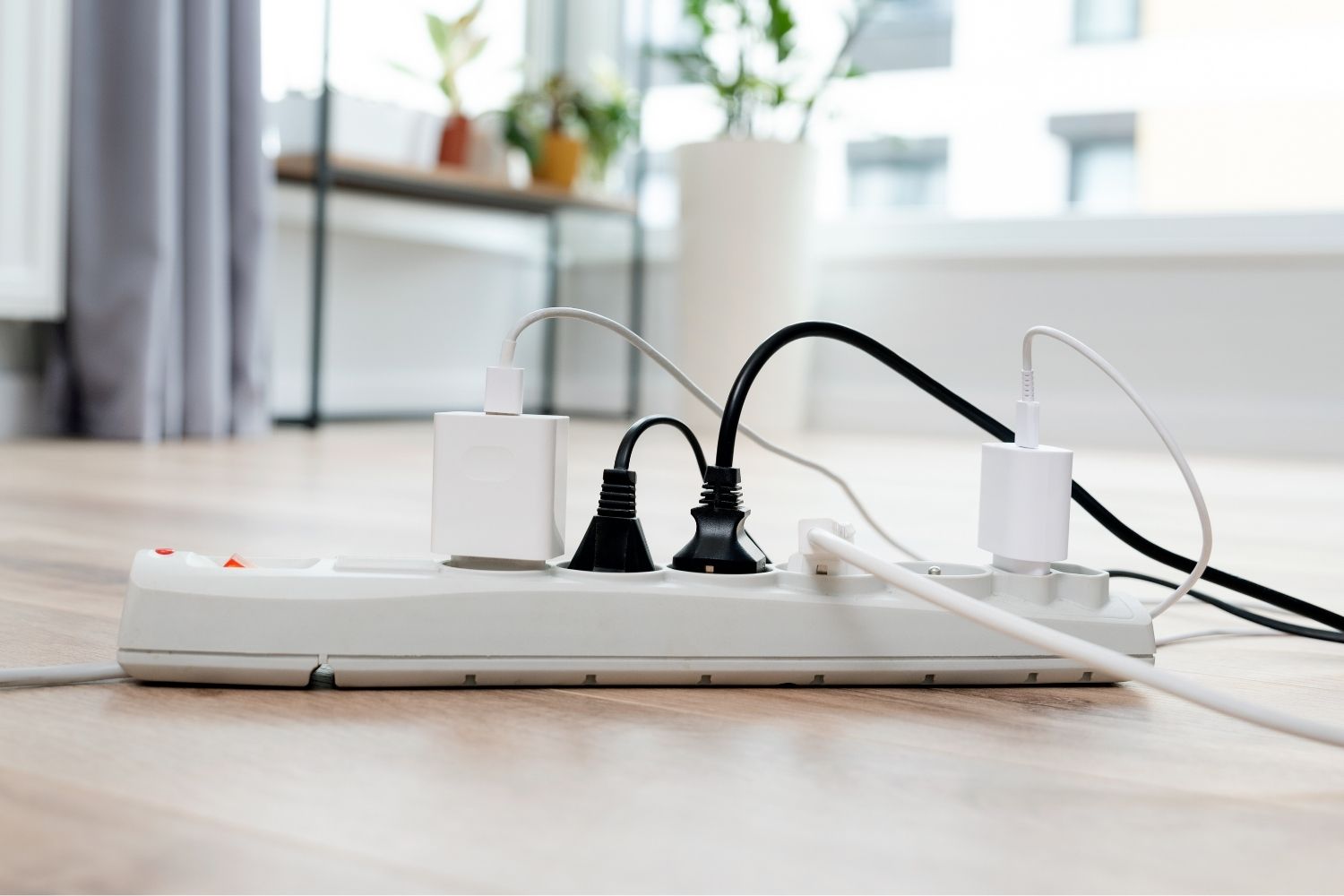
Dorm rooms rarely have enough outlets for laptops, phones, lamps, fans, and other small devices. A power strip with surge protection allows you to connect several essentials while helping protect your electronics from sudden electrical changes.
Choose one with a long cord and enough spacing for larger plugs. Built-in USB and USB-C ports can reduce the number of separate charging blocks you need, but always check your college housing rules before bringing extension cords or certain types of power strips.
Our recommended options


9. A Small First-Aid and Medicine Kit
Minor headaches, blisters, paper cuts, stomach discomfort, and seasonal colds can happen at inconvenient times. A basic first-aid kit keeps common supplies close by so you do not have to visit a store every time you need a bandage or pain reliever.
Include adhesive bandages, antiseptic wipes, a thermometer, any personal medications, and basic over-the-counter products you normally use. Check expiration dates regularly, follow product instructions, and know where your campus health center is located in case you need professional care.
Our recommended options


10. An External Hard Drive or Cloud Storage Plan
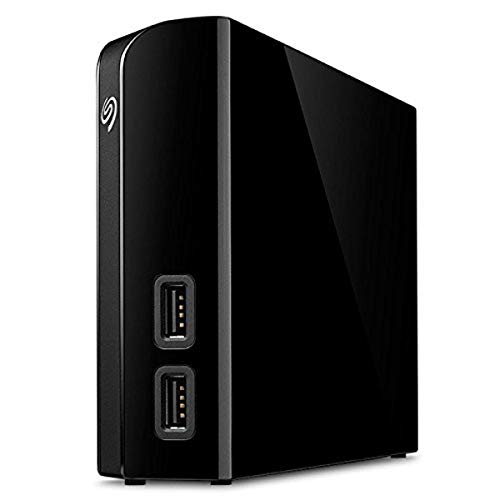
Losing an important paper hours before the deadline can turn an ordinary week into a stressful one. Backing up your work protects class notes, projects, photographs, internship documents, and other files if your laptop is damaged, lost, or suddenly stops working.
An external drive is useful for keeping a physical backup, while cloud storage allows you to access documents from different devices. For better protection, save important work in more than one place and turn on automatic syncing whenever possible.
Our recommended options


11. A Set of Durable Food Storage Containers
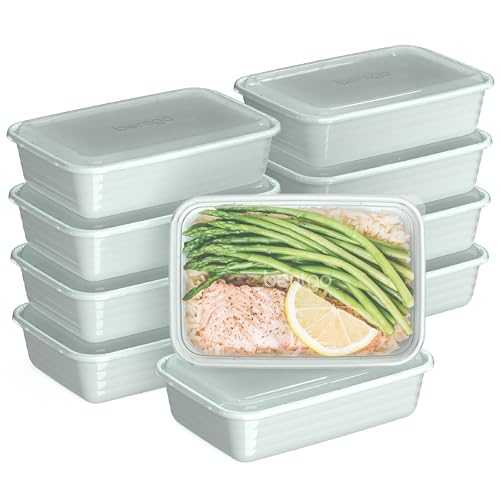
Food containers are useful whether you have a full kitchen, a shared kitchenette, or only a small dorm refrigerator. They can hold leftovers, snacks, cut fruit, meal-prepped lunches, and food brought back from the dining hall where campus rules allow it.
Choose stackable containers that do not take up too much space and have secure lids that will not leak inside your bag. A few different sizes are usually more practical than buying a large matching set that fills your entire cabinet.
Our recommended options


12. A Microwave-Safe Mug and Basic Eating Utensils
Even students with meal plans benefit from keeping a few personal dishes nearby. A microwave-safe mug can hold tea, instant oatmeal, soup, noodles, or a quick snack when the dining hall is closed or you do not feel like leaving your room.
Add a reusable plate, bowl, spoon, fork, and butter knife to create a simple eating set. Keep everything easy to wash, and avoid bringing a large collection of dishes unless you know you will have enough storage and time to clean them.
Our recommended options


13. A Portable Laundry Bag With Comfortable Handles
Laundry becomes much easier when you can carry clothes to the laundry room without dropping socks down the hallway. A lightweight bag with strong handles works better than a bulky basket when you need to climb stairs or walk across a residence hall.
A collapsible design can be folded away when it is empty, which helps in a small room. Some laundry bags also have backpack straps or separate sections for light and dark clothing, making wash day slightly easier to organize.
Our recommended options

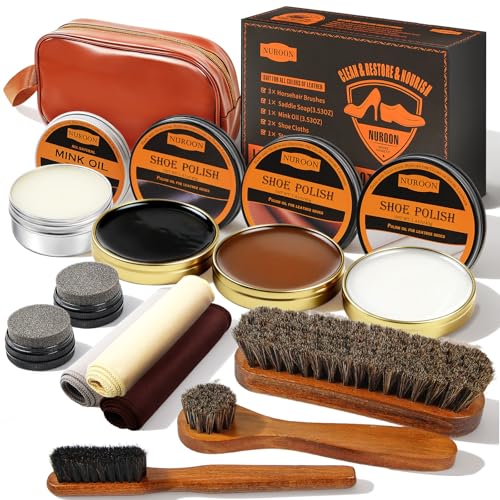
14. A Basic Clothing Care Kit
You may not have easy access to a parent, tailor, or dry cleaner when a button falls off before a presentation. A small clothing care kit can help you handle loose threads, minor tears, wrinkles, lint, and other last-minute problems.
Include a mini sewing kit, stain-removal pen, lint roller, safety pins, and wrinkle-release spray. These items take up very little space but can make a noticeable difference when you need to look polished for class presentations, career fairs, interviews, or formal events.
Our recommended options


15. A Desktop File Organizer for Important Papers
Although many college materials are digital, you will still collect printed syllabuses, financial documents, receipts, housing forms, medical records, and graded assignments. A compact file organizer prevents important paperwork from disappearing beneath books and clothes.
Create clearly labeled sections for academics, finances, housing, health, and personal documents. Keeping these papers organized from the beginning makes it much easier to locate a form when an adviser, landlord, professor, or financial aid office requests it.
Our recommended options


16. A Small Toolkit for Quick Dorm Fixes
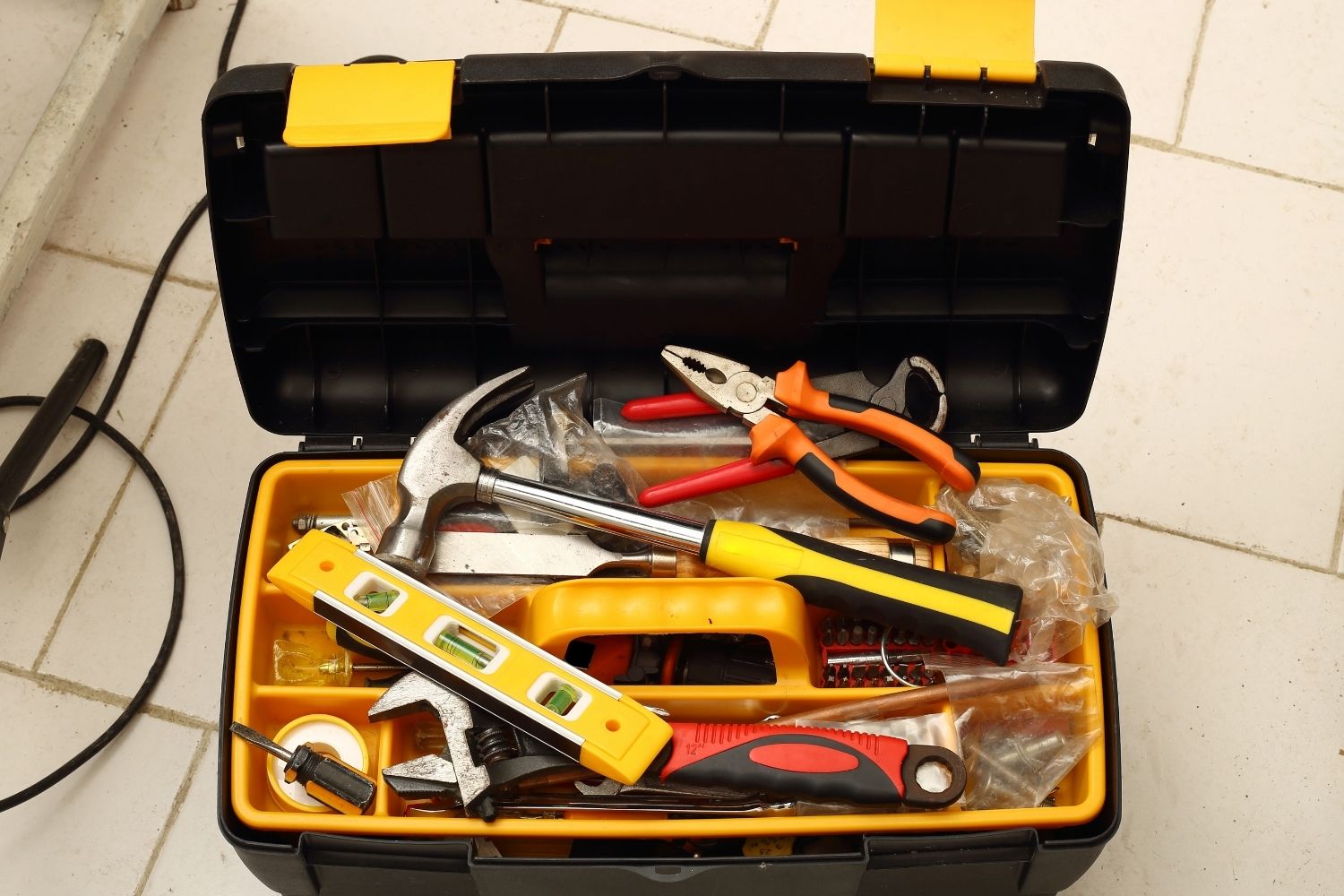
A loose desk screw, unopened package, or piece of furniture that needs adjusting can become frustrating when you do not have basic tools. A compact toolkit gives you what you need for small, safe fixes without taking up much storage space.
Look for a set with a screwdriver, measuring tape, small hammer, pliers, scissors, and several common bits. Follow your housing rules and contact maintenance instead of attempting repairs involving electricity, plumbing, walls, or college-owned equipment.
Our recommended options
17. A Personal Emergency Bag for Unexpected Situations
A small emergency bag can help during power outages, severe weather, evacuations, or nights when you unexpectedly stay somewhere else. It should be easy to grab and stored in a place you can reach quickly.
Pack a flashlight, spare batteries, portable charger, emergency contact information, a little cash, copies of key documents, basic toiletries, and a change of clothes. You may never need the entire bag, but preparing it early can give you one less thing to worry about during an already stressful situation.
Our recommended options