





Table of Contents Show
Planning a first trip to Japan is exciting, but it can also leave you with a lot of questions. How do you balance futuristic cities with ancient temples? Can you actually experience both the well-known sights and the quieter, local moments? This list is here to help you do just that.
It brings together the iconic highlights and the uniquely beautiful spots to give you a complete picture. Think of it as your starting point for building an unforgettable journey through one of the world’s most fascinating countries.
Here are 21 amazing places to include in your Japanese adventure.
1. Tokyo
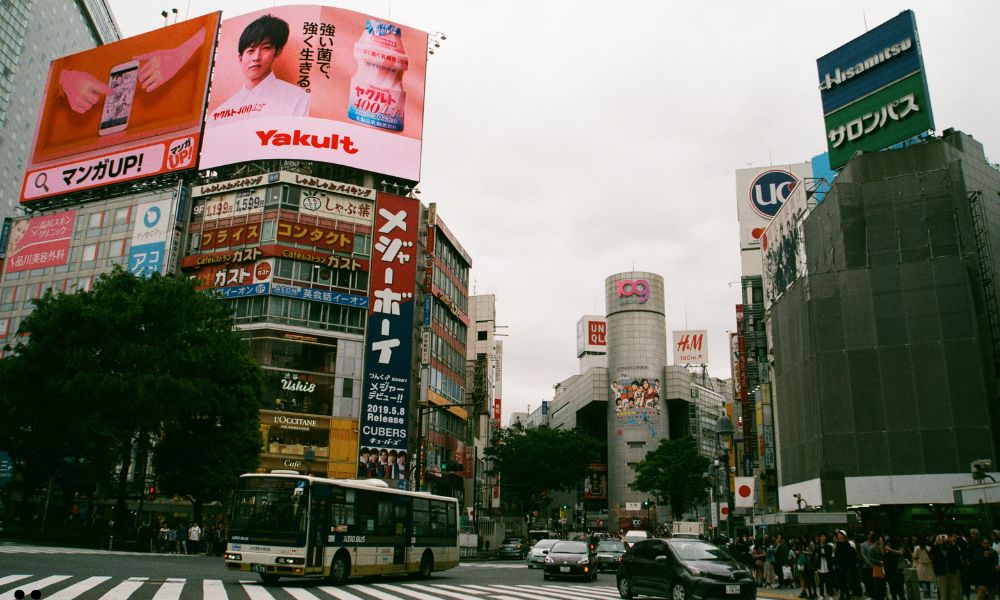
A city of fascinating contrasts, Tokyo is where you’ll find serene temples nestled beside neon-lit skyscrapers. Spend a morning at the historic Senso-ji Temple, then cross the street to shop for cutting-edge tech.
Dive into the organized chaos of the Shibuya Crossing, find peace in the Meiji Shrine forest, and explore endless neighborhoods, each with its own distinct personality.

For People Who Love to Make Things ✂️
2. Kyoto
The heart of traditional Japan, Kyoto feels like a living museum. It’s famous for its thousands of temples, serene Zen gardens, and geisha culture in the Gion district. Don’t miss the golden Kinkaku-ji Pavilion, the thousands of red torii gates at Fushimi Inari Shrine, and the beautiful bamboo groves of Arashiyama. It’s a city that moves at a more gentle pace.
3. Osaka
Often called Japan’s kitchen, Osaka is a city for food lovers. Its energetic, friendly atmosphere is contagious. Head to Dotonbori at night for dazzling lights, giant food signs, and legendary street food like takoyaki (octopus balls) and okonomiyaki (savory pancakes). Osaka Castle also offers a beautiful glimpse into the region’s powerful past.
4. Mount Fuji
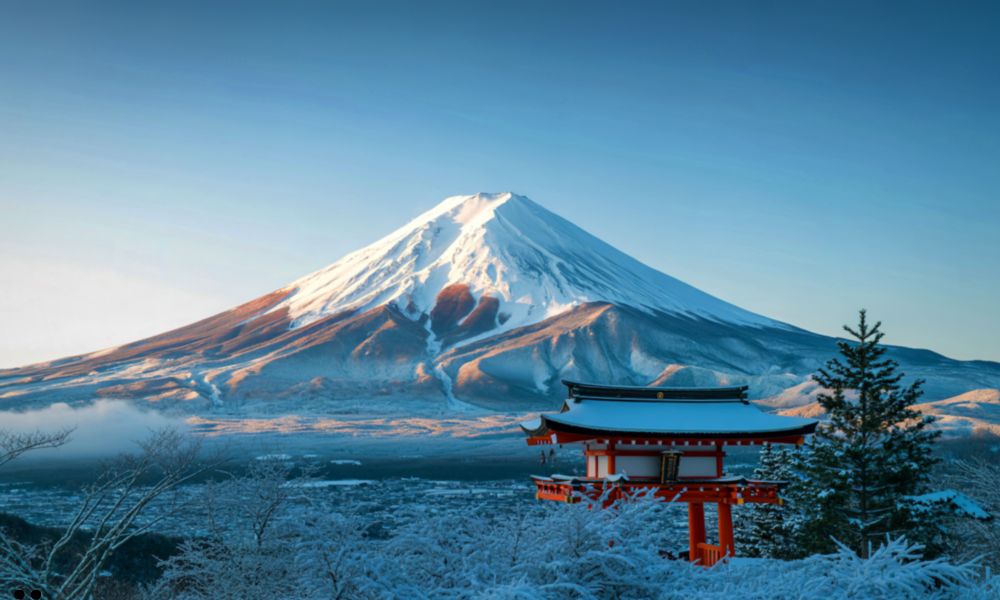
Japan’s most iconic symbol is a sight that inspires awe. For the best views, visit the Fuji Five Lakes area, like Lake Kawaguchiko. If you’re feeling adventurous and it’s climbing season (July-September), you can embark on a hike to the summit. Even from a distance, seeing its perfect, snow-capped cone is a moment you won’t forget.
5. Hiroshima
A city of profound peace and resilience, Hiroshima’s Peace Memorial Park and Museum are moving, must-visit places that leave a lasting impact. Just a short ferry ride away is the sacred island of Miyajima, famous for its giant “floating” torii gate at the Itsukushima Shrine. Together, they represent Japan’s history and its beautiful spiritual heritage.
6. Nara
Japan’s first permanent capital is a compact, walkable city where history feels wonderfully alive. Its main attraction is Nara Park, where hundreds of friendly, free-roaming deer bow for special crackers. The park is also home to Todai-ji Temple, which houses a colossal bronze Buddha statue in the world’s largest wooden building.
7. Hakone
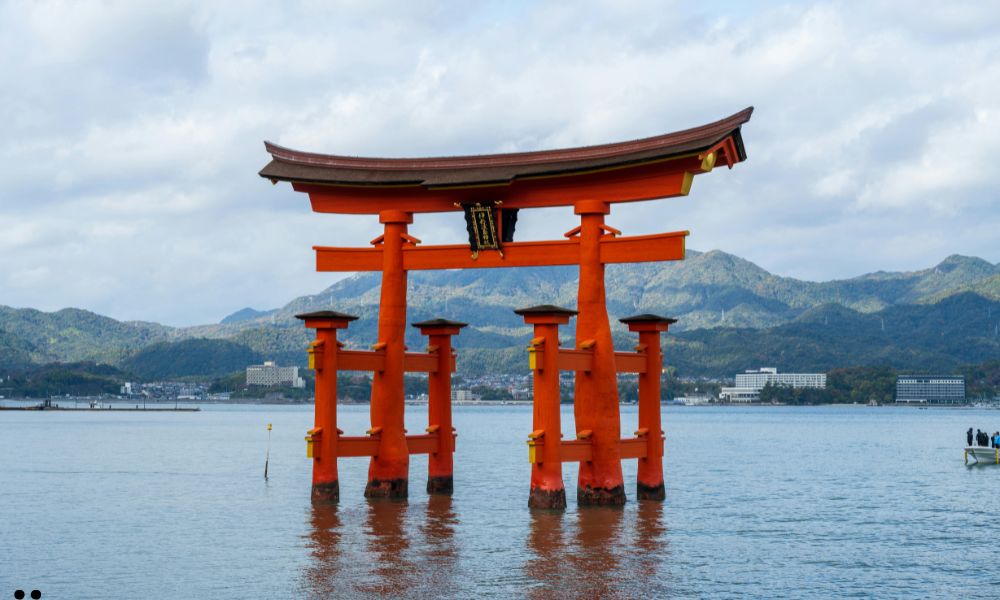
Part of the Fuji-Hakone-Izu National Park, this mountainous area is the classic getaway from Tokyo. It’s famous for its hot spring resorts (onsen), views of Mount Fuji, and the beautiful Lake Ashi. A ride on the Hakone Ropeway and a cruise on a pirate-themed ship across the lake make for a perfect day of relaxation and stunning scenery.
8. Sapporo
The capital of Japan’s northern island of Hokkaido, Sapporo offers a completely different vibe. Famous for its beer, snowy winters, and the Sapporo Snow Festival, it’s a city of wide boulevards and great food. In winter, it’s a ski paradise. In summer, it’s a cool escape known for its lush parks and delicious dairy and seafood.
9. Kanazawa
Often called “Little Kyoto,” Kanazawa retained much of its historical charm as it was spared from WWII bombing. Explore the beautifully preserved Nagamachi samurai district, the stunning Kenrokuen Garden (one of Japan’s top three), and the contemporary art exhibits at the 21st Century Museum. It’s a perfect blend of old and new.
10. Nikko
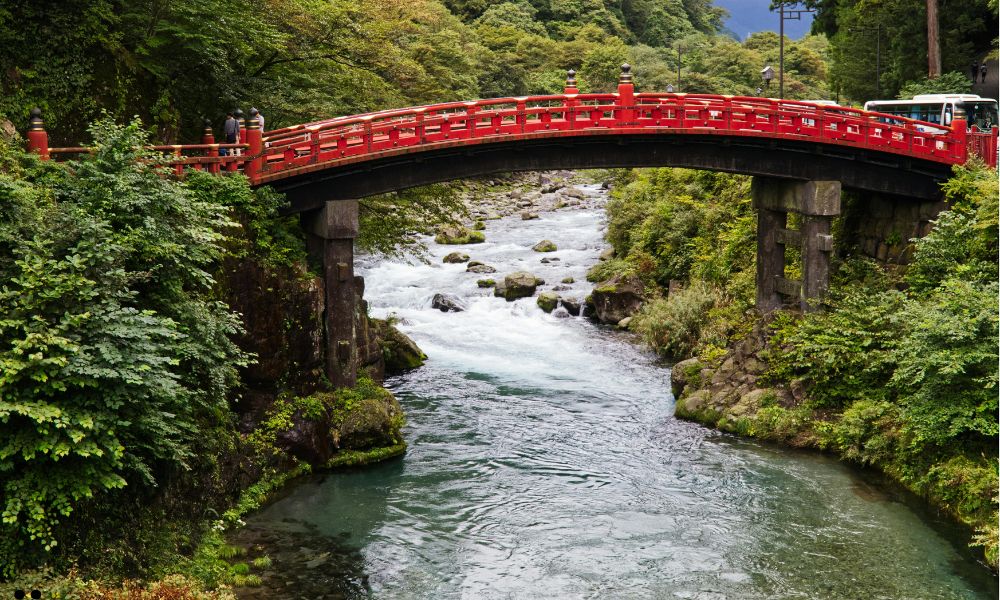
A UNESCO World Heritage site a few hours from Tokyo, Nikko is a lavish celebration of shogun power and natural beauty. The Toshogu Shrine is an astonishing complex of ornate, gold-leaf-covered buildings carved with famous details like the “see no evil, speak no evil, hear no evil” monkeys. The area also features majestic waterfalls, lakes, and hiking trails.
11. Takayama
Nestled in the Japanese Alps, Takayama feels like a step back in time. Its beautifully preserved Old Town is filled with sake breweries, small museums, and traditional merchant houses. The town is also the gateway to the nearby thatched-roof farmhouses of Shirakawa-go, a UNESCO site that looks like a storybook village, especially under snow.
12. Okinawa
For a tropical Japanese escape, head to the Okinawa islands. The culture, food, and atmosphere are distinct from the mainland, with a slower pace and stunning turquoise waters. Explore the ruins of the Ryukyu Kingdom at Shuri Castle, learn about the WWII history, and enjoy some of the best beaches and snorkeling in Japan.
13. Naoshima Island
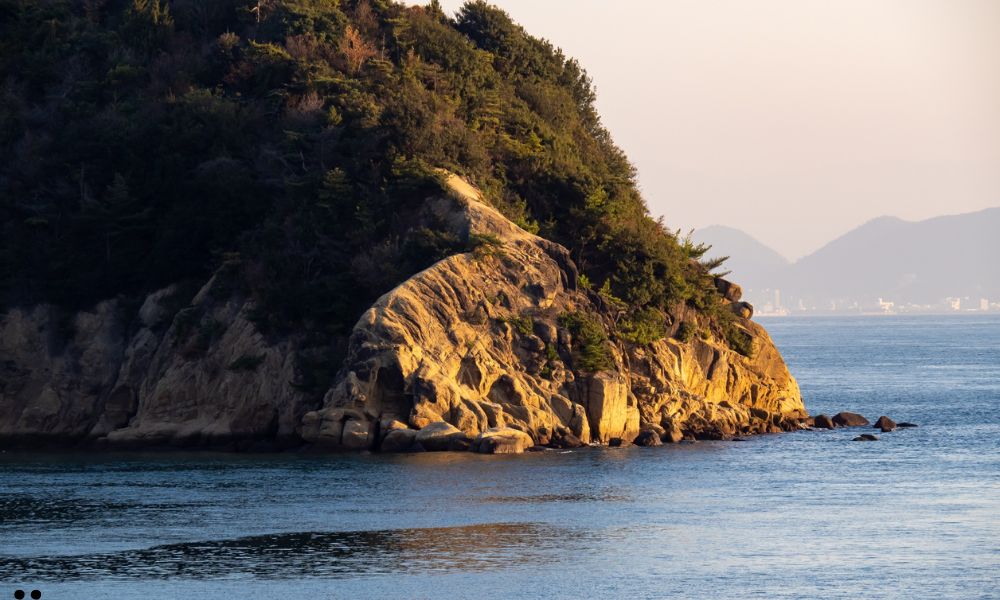
This small island in the Seto Inland Sea has been transformed into a world-class hub for contemporary art. You’ll find stunning museums (like the Chichu Art Museum, built into a hillside), sculptures, and installations seamlessly blended with the island’s natural landscape and traditional villages. It’s a unique and inspiring cultural pilgrimage.
14. Koyasan (Mount Koya)
The center of Shingon Buddhism, Koyasan is a remote, sacred mountain monastery complex. For a truly unique experience, stay overnight in a shukubo (temple lodging), join the monks for morning prayers, and wander through the vast, atmospheric Okunoin Cemetery, the largest in Japan, surrounded by ancient cedar trees.
15. Yakushima
Another UNESCO site, this subtropical island off the coast of Kyushu is like entering a primeval forest. It’s famous for its ancient cedar trees, some over 1,000 years old, including the legendary Jomon Sugi. The moss-covered landscape inspired the film Princess Mononoke. It’s a destination for serious hiking and connecting with powerful nature.
16. Kamakura
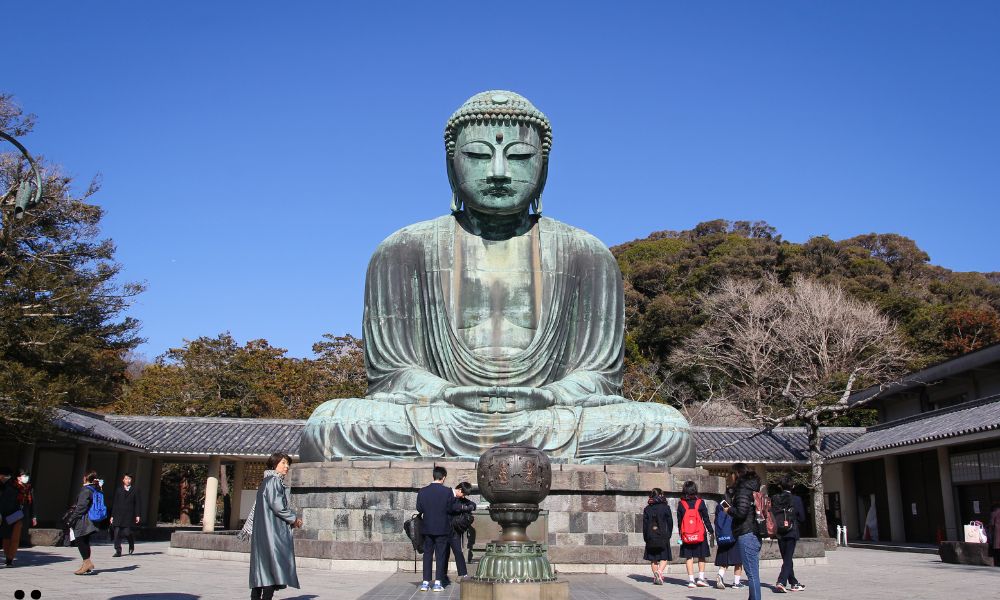
Just an hour from Tokyo, this coastal town was Japan’s political capital in the 12th century. It’s famous for the Great Buddha (Daibutsu), a monumental bronze statue that sits in the open air. The town has a relaxed, artsy feel with many temples, shrines, and hiking trails leading through wooded hills down to small beaches.
17. Ishigaki & the Yaeyama Islands
Part of the Okinawa prefecture, these remote islands offer some of Japan’s most pristine natural beauty. Ishigaki is known for Kabira Bay, with its brilliant blue water and white sand. It’s the jumping-off point for even smaller islands like Taketomi, with traditional Ryukyuan houses, and Iriomote, covered in dense jungle and mangrove forests.
18. Fukuoka
The largest city on Kyushu island is known for its vibrant food scene, particularly at the open-air yatai (food stall) markets that set up along the river at night. It’s a modern, friendly city with a rich history, easy access to nature, and famous tonkotsu ramen. It makes for a great, less-touristed urban base in southern Japan.
19. Matsumoto
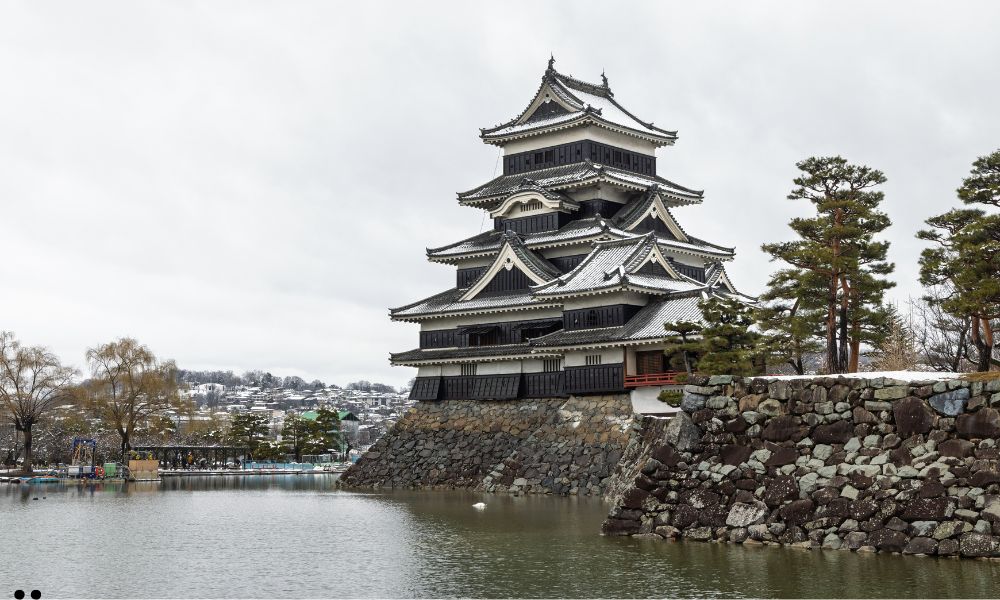
Home to one of Japan’s most beautiful and complete original castles, Matsumoto-jo is a stunning “black crow” castle set against the backdrop of the Japanese Alps. The city itself has a great mix of historical sites, like the former samurai district, and contemporary art museums, making it a rewarding stop on a Alps itinerary.
20. Ise
Ise Jingu, or Ise Grand Shrine, is Japan’s most sacred Shinto shrine, dedicated to the sun goddess Amaterasu. The shrine buildings are rebuilt every 20 years in a centuries-old tradition. The surrounding area, with its pilgrim paths, traditional restaurants, and pearl farms, offers a deep sense of Japan’s spiritual and cultural roots.
21. The Japanese Alps (Tateyama-Kurobe Alpine Route)
For breathtaking mountain scenery, take this famous seasonal route that traverses the North Alps. It involves a spectacular journey by bus, cable car, trolley bus, and on foot across towering snow walls (in spring), emerald-green lakes, and rugged peaks. It’s an unforgettable way to experience the scale and beauty of Japan’s alpine region.