
Table of Contents Show
Keeping kids busy can be a challenge, especially when you want activities that are fun and teach something, too. This list gives you simple, classroom-ready crafts that build skills in math, science, reading, art, and more.
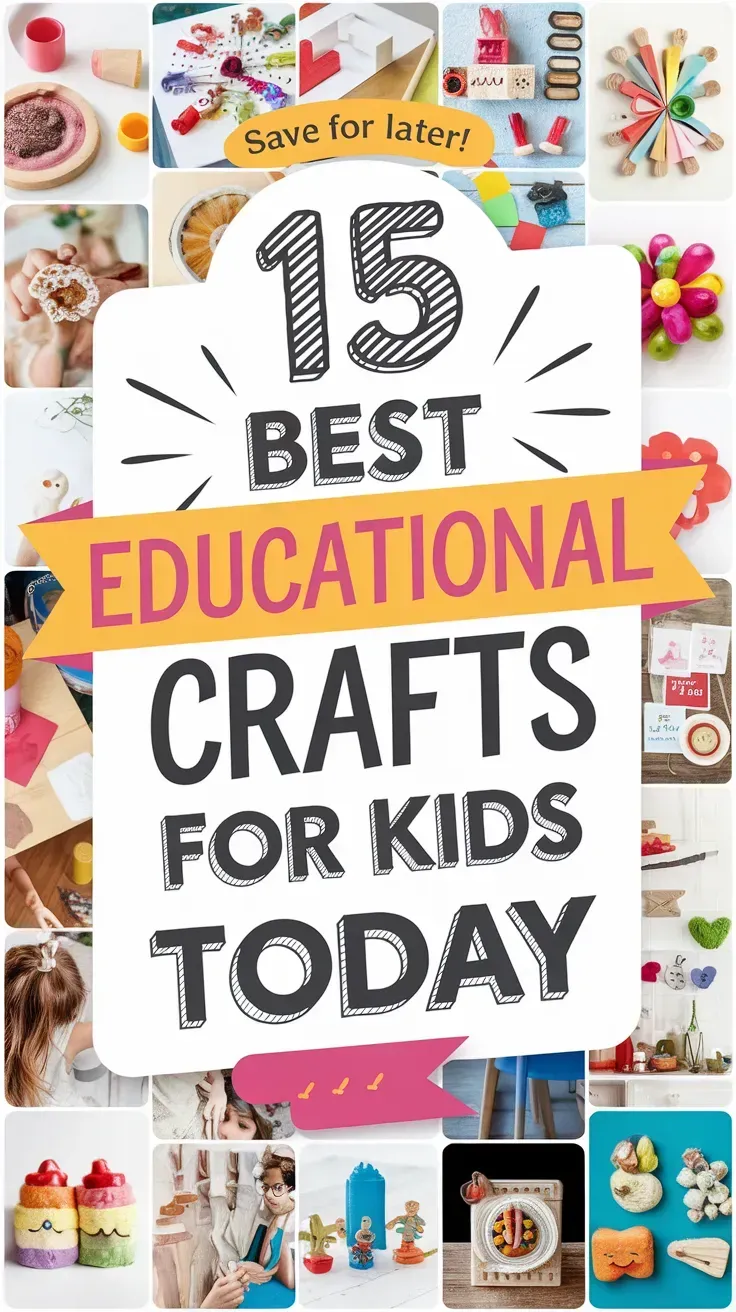
Each project uses common supplies and clear steps, so beginners can jump right in.
Let’s dive into 15 educational crafts that will spark curiosity and make learning feel like play.
1. Paper Plate Solar System Mobile
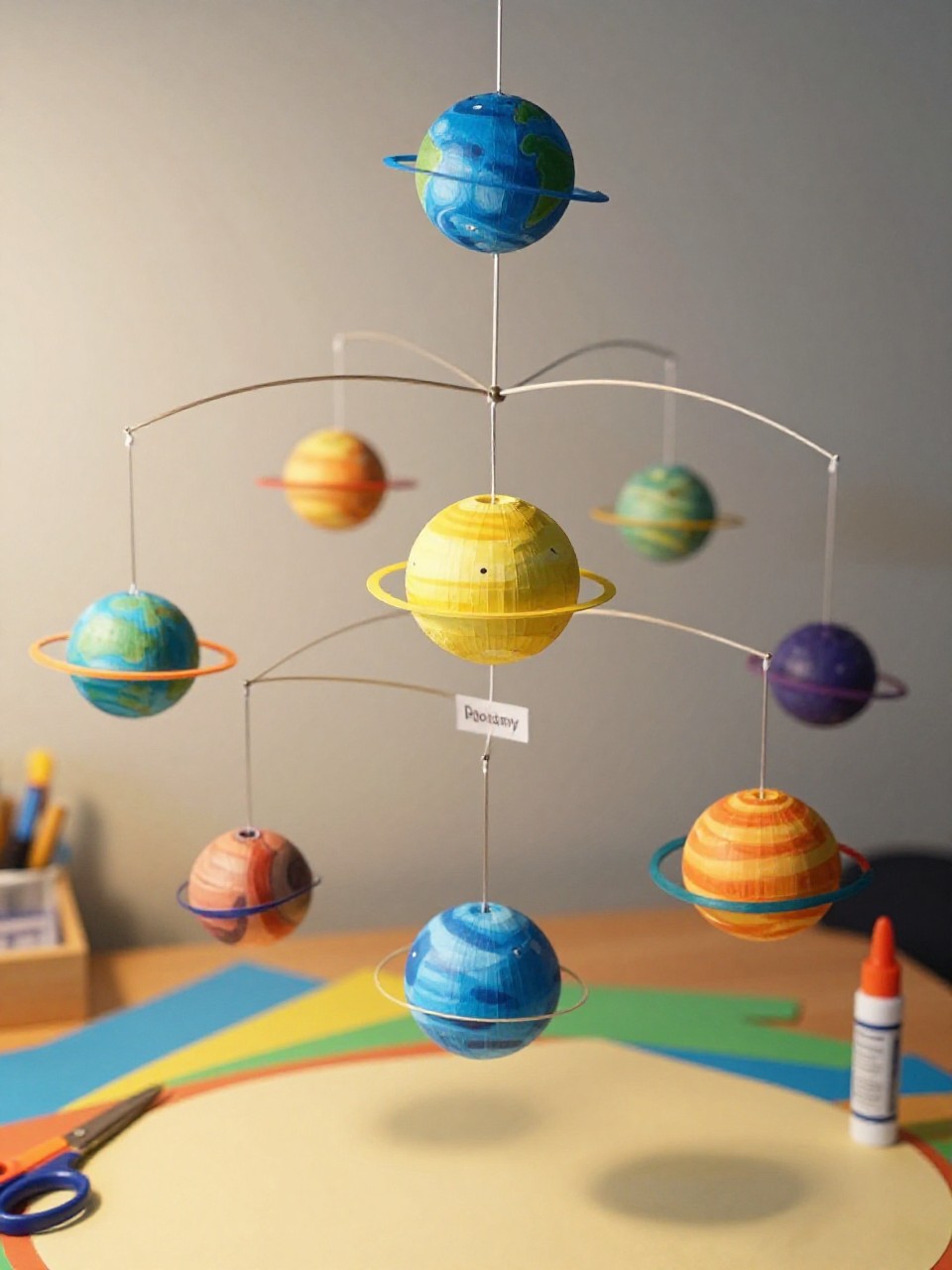
This mobile shows all eight planets hanging around a bright sun, each labeled and sized to suggest scale. Kids love painting the planets and watching them spin, and it’s a great way to learn order and names of planets.
Materials Needed:
For People Who Love to Make Things ✂️
- Paper plate (for the sun)
- Cardstock or construction paper (for planets)
- String or yarn
- Markers or paint
- Hole punch and tape
How to make it:
- 1. Paint the paper plate yellow to be the sun; let dry and punch holes around the rim.
- 2. Cut circles for planets in different sizes and colors; write each planet’s name.
- 3. Tie string to each planet and through the plate holes, varying lengths for a mobile effect.
- 4. Hang from a hook or dowel and review planet order from the sun.
2. Number Bead Counting Caterpillar
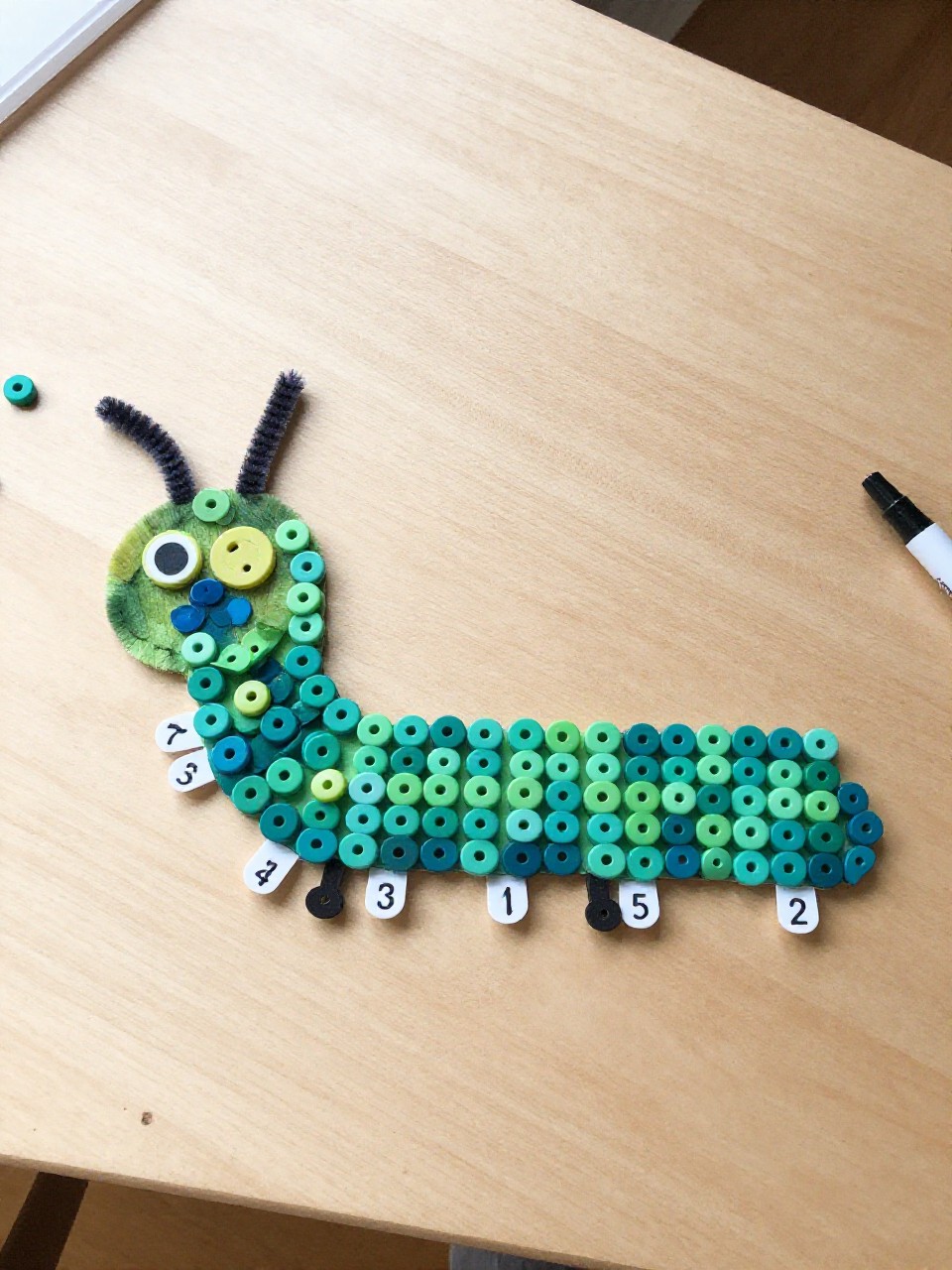
A cute caterpillar made of beads on a pipe cleaner, with segments grouped to match numbers. Kids enjoy sliding beads and shaping the caterpillar, which supports counting, addition, and fine motor skills.
Materials Needed:
- Green pipe cleaners
- Pony beads (assorted colors)
- Small paper circle for a face
- Marker for eyes and numbers
- Glue dot or tape
How to make it:
- 1. Twist one end of a pipe cleaner into a small loop so beads don’t fall off.
- 2. Add beads in groups of 5 or 10 to build a long “body,” then loop the other end.
- 3. Glue on the face circle and draw eyes; write numbers under each group on a small tag.
- 4. Use it to count, skip-count, or make simple sums by sliding beads.
3. Weather Wheel Spinner
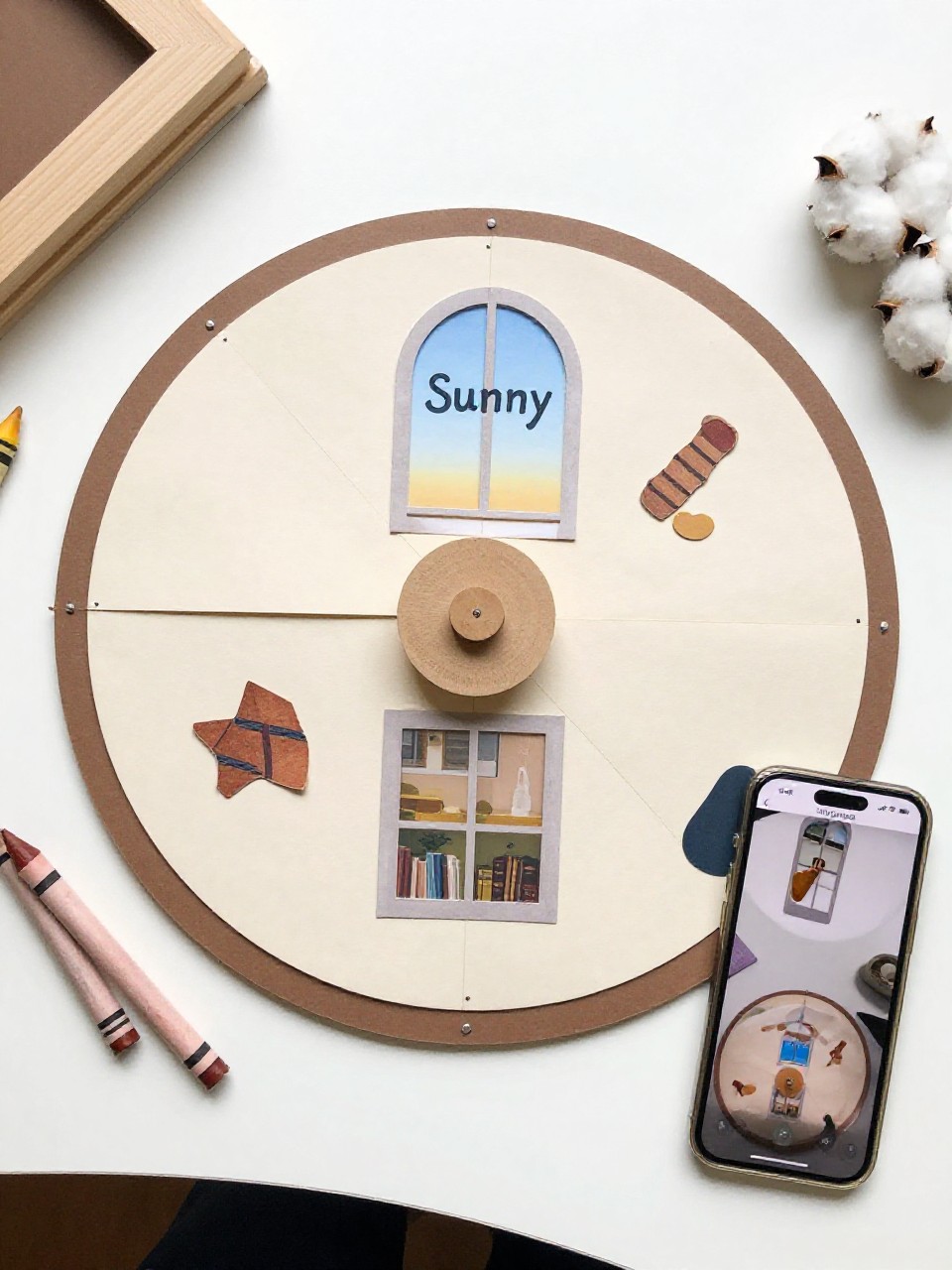
A round spinner with weather icons—sunny, cloudy, rainy, snowy, windy—that kids can set each day. Spinning and choosing the forecast feels playful while building weather vocabulary and daily routine skills.
Materials Needed:
- Two cardstock circles (one with a window cutout)
- Brass paper fastener (brad)
- Markers or crayons
- Scissors
- Optional: stickers or cotton balls for clouds
How to make it:
- 1. Draw weather icons on one full circle; color them with clear labels.
- 2. Cut a window slice from the top circle and pierce both centers.
- 3. Stack the circles and fasten with a brad so they spin.
- 4. Add cotton clouds or raindrop stickers, then set today’s weather and discuss.
4. Life Cycle of a Butterfly Pasta Chart
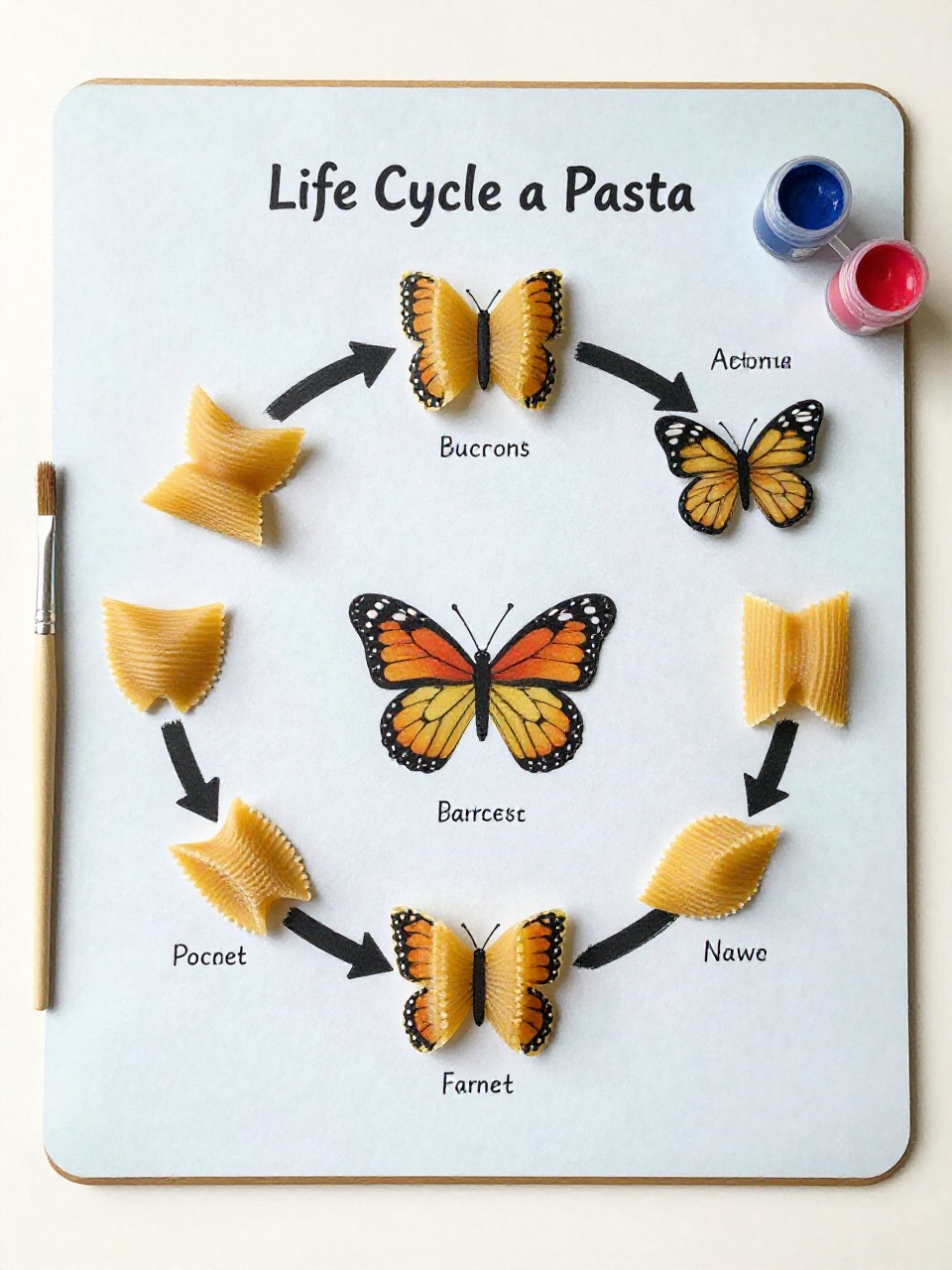
A cardstock chart showing egg, caterpillar, chrysalis, and butterfly made from different pasta shapes. Kids enjoy painting the pasta and seeing the stages come to life in 3D.
Materials Needed:
- Cardstock sheet
- Pasta shapes (rice or tiny pasta for eggs; rotini for caterpillar; shell for chrysalis; bow tie for butterfly)
- Paint and brush
- Glue
- Marker for labels
How to make it:
- 1. Paint each pasta shape to match its stage; let dry.
- 2. Divide the cardstock into four boxes and label each stage.
- 3. Glue the matching pasta into each box.
- 4. Add arrows between boxes and display as a science anchor chart.
5. DIY Shape Sorting Robot
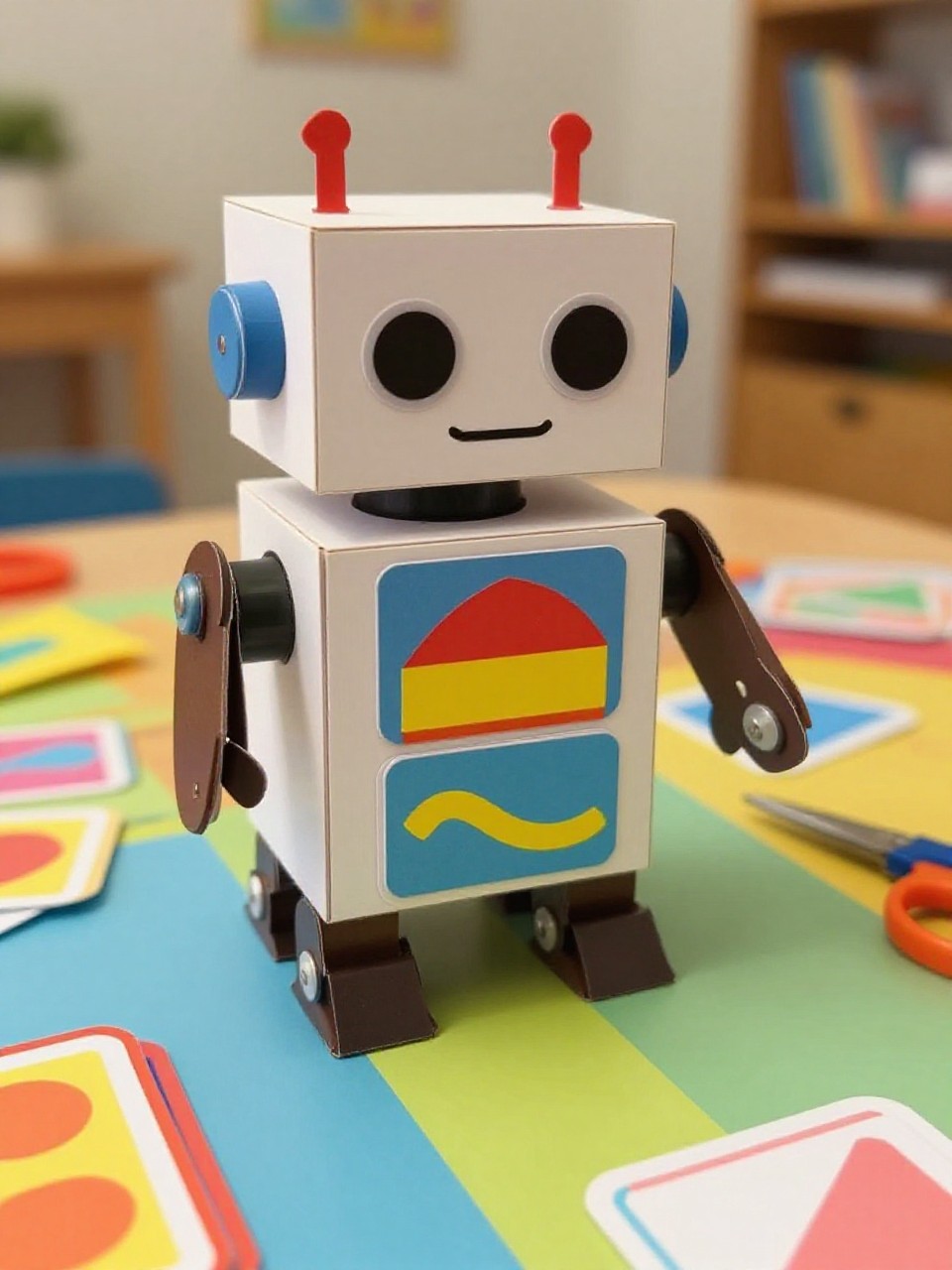
A cardboard “robot” body with cutout slots for circles, squares, and triangles; kids feed it matching cards. The robot theme makes sorting exciting and builds geometry, matching, and vocabulary.
Materials Needed:
- Small box (tissue box works)
- Construction paper
- Scissors and craft knife (adult help)
- Markers
- Tape or glue
How to make it:
- 1. Cover the box with paper and draw a friendly robot face.
- 2. Cut three slots labeled Circle, Square, Triangle.
- 3. Make shape cards from colored paper to fit each slot.
- 4. Sort and “feed” the robot, then empty and repeat for practice.
6. Alphabet Clothespin Match Cards
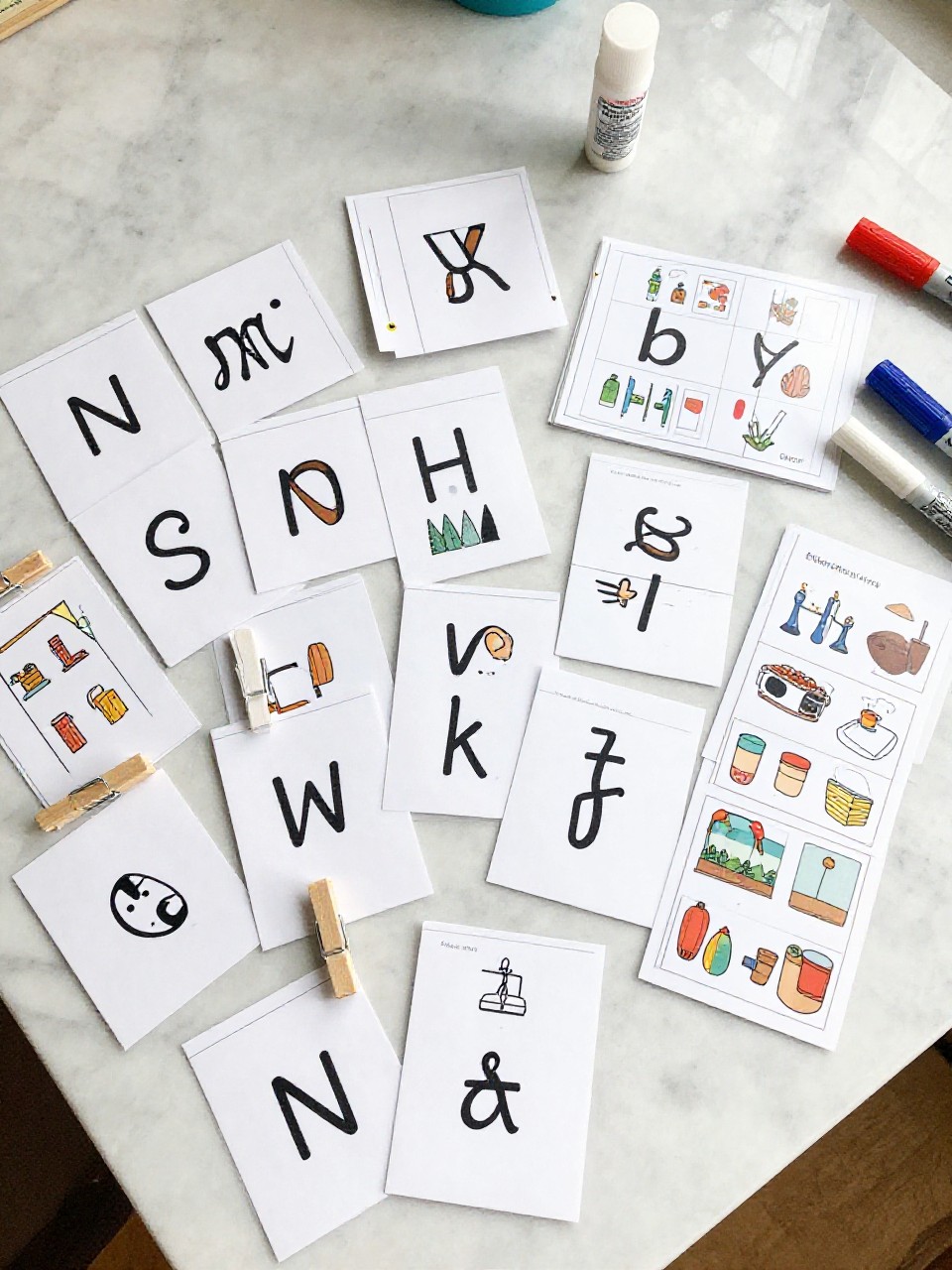
Cards with uppercase letters and pictures; kids clip clothespins labeled with matching lowercase letters. Clipping is satisfying and strengthens letter recognition and hand strength.
Materials Needed:
- Index cards
- Mini clothespins
- Markers
- Small pictures or stickers
- Storage bag or box
How to make it:
- 1. Write an uppercase letter on each card and add a picture that starts with that letter.
- 2. Write matching lowercase letters on clothespins.
- 3. Kids clip the right clothespin to each card edge.
- 4. Store as a reusable literacy center or travel activity.
7. Fraction Pizza Paper Craft
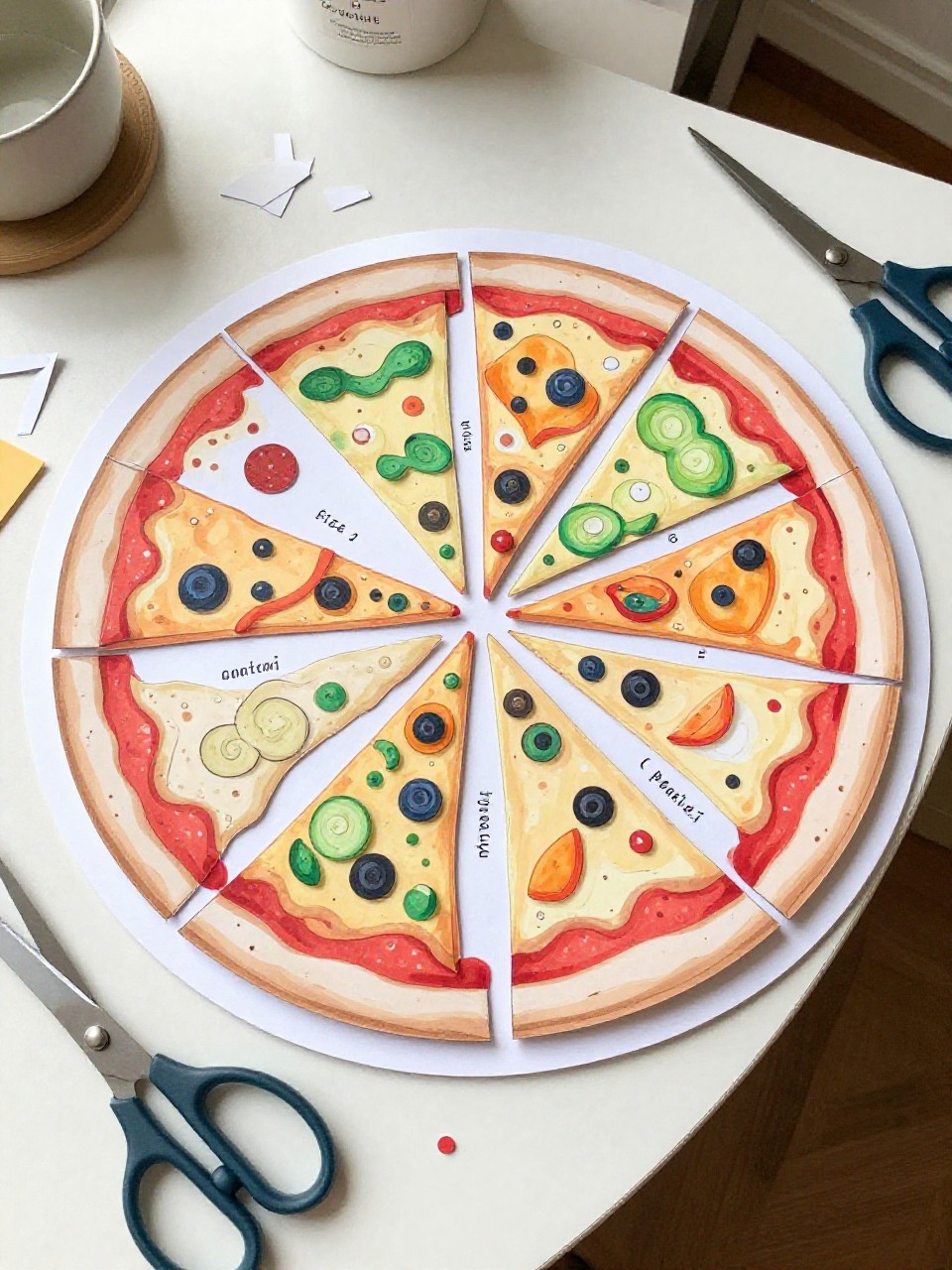
A paper pizza cut into slices labeled 1/2, 1/3, 1/4, with toppings to compare parts. Kids enjoy designing toppings and moving slices to see how fractions make a whole.
Materials Needed:
- Tan and red construction paper
- Scissors
- Marker
- Brass fastener (optional for a pivot)
- Glue
How to make it:
- 1. Cut a tan circle for crust and a red circle for sauce; glue together.
- 2. Divide into equal slices (halves, thirds, quarters) and label fractions.
- 3. Make small topping pieces and glue them to match fraction amounts.
- 4. Use it to model problems like 1/4 + 1/4 or compare slice sizes.
8. DIY Seed Viewer in a Bag
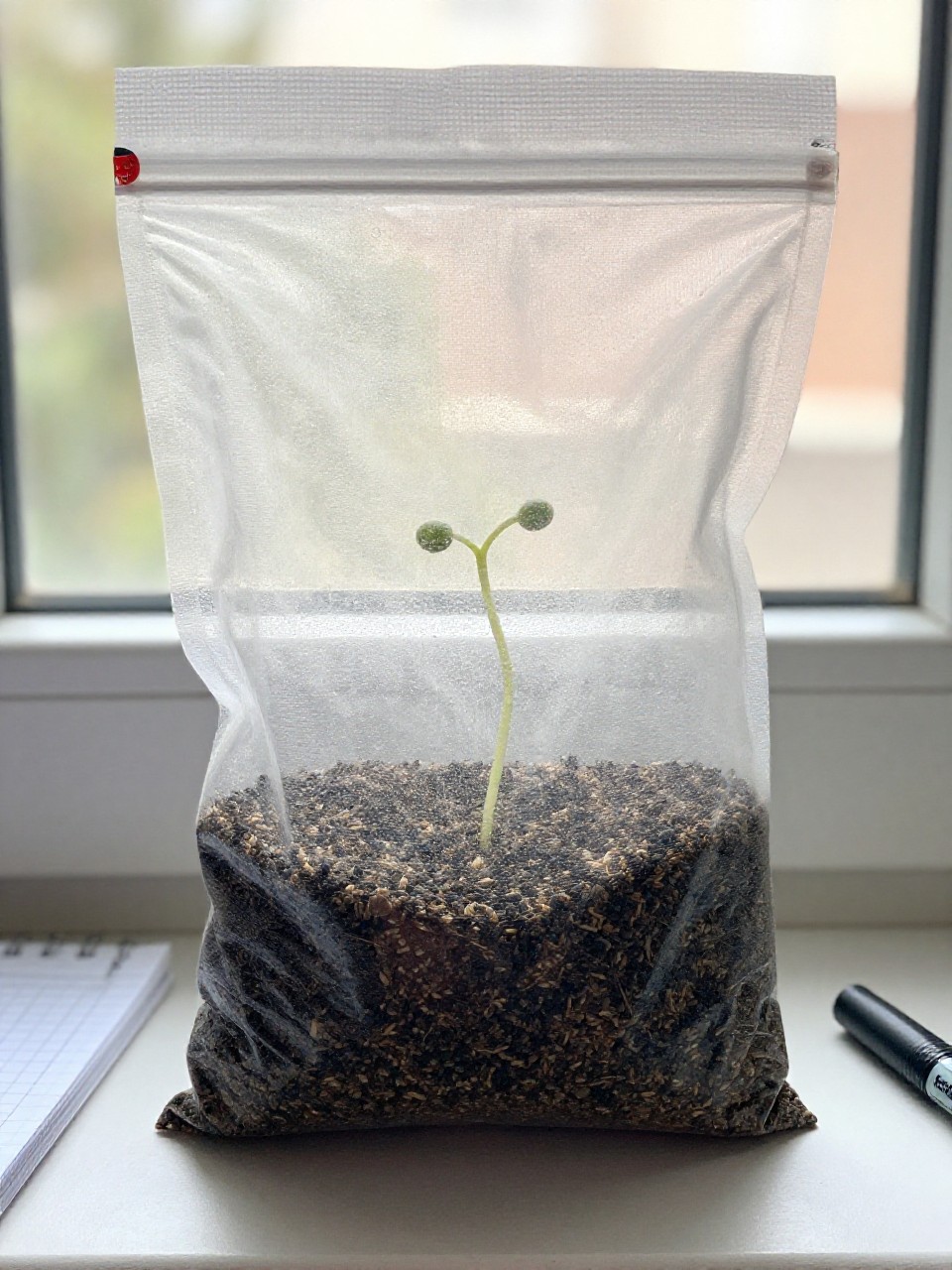
A clear bag taped to a window with a damp paper towel and a bean seed so kids can watch roots grow. The simple setup feels magical and teaches plant needs and observation skills.
Materials Needed:
- Resealable clear plastic bag
- Paper towel
- Dry bean or pea seed
- Water spray bottle
- Tape
How to make it:
- 1. Dampen a folded paper towel and place it inside the bag.
- 2. Slide the seed between towel layers against the clear side.
- 3. Seal the bag and tape it to a sunny window.
- 4. Check daily, mist if needed, and draw what you see in a small journal.
9. Timeline Necklace of History
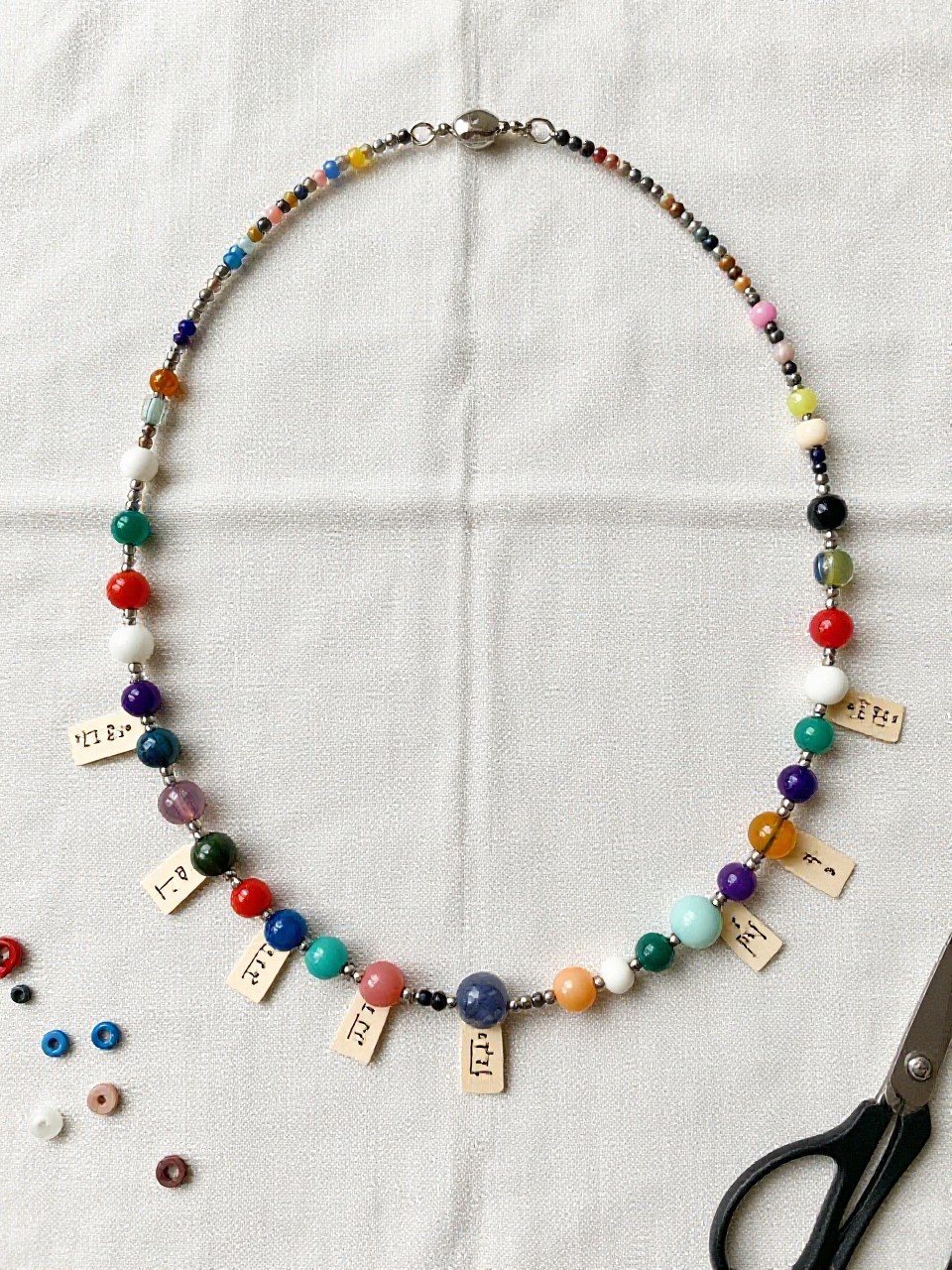
A bead necklace where each color stands for a time period or event; kids string beads in order and add labeled tags. It turns abstract timelines into a wearable story.
Materials Needed:
- Cord or yarn
- Pony beads in chosen colors
- Small paper tags
- Marker
- Tape (for cord tip)
How to make it:
- 1. Choose events and assign a bead color to each; make a simple key.
- 2. Tape the cord tip to make threading easier and add beads in order.
- 3. Write event names on mini tags and tie them near matching beads.
- 4. Wear the necklace and retell the timeline to a partner or class.
10. Tangram Animal Puzzle Set
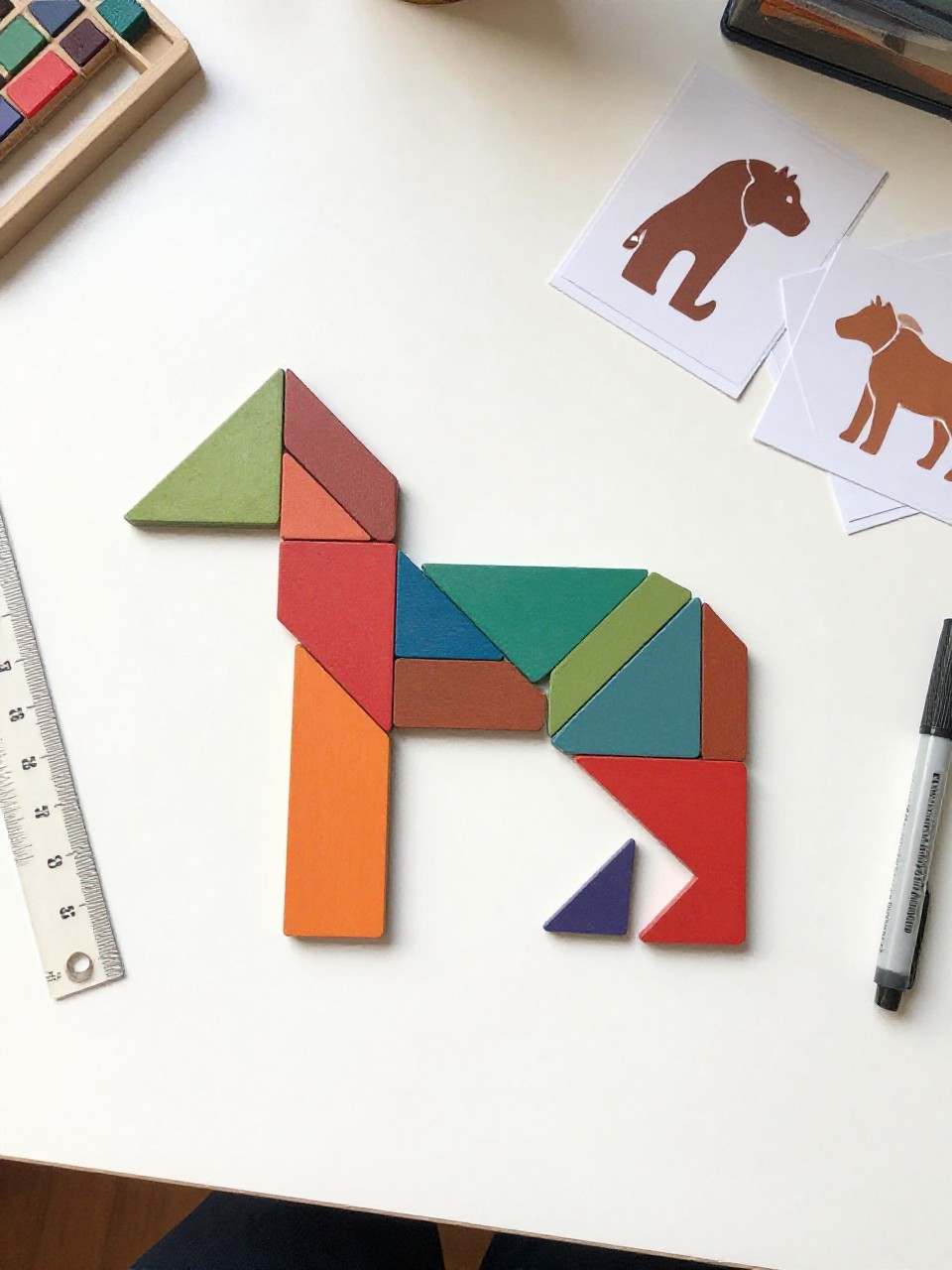
A cardstock tangram set with colorful pieces and simple animal silhouette cards to match. Kids love experimenting with shapes and solving puzzles, which builds spatial reasoning.
Materials Needed:
- Colored cardstock
- Scissors
- Marker
- Small envelope for storage
- Optional: laminating sheets
How to make it:
- 1. Draw and cut a classic tangram set (7 pieces) from cardstock.
- 2. Create animal silhouette cards (cat, swan, fish) to copy using the pieces.
- 3. Color-code the back of each set and store in an envelope.
- 4. Use for free play or timed challenges, adjusting difficulty.
11. Magnetic Word Family Fishing
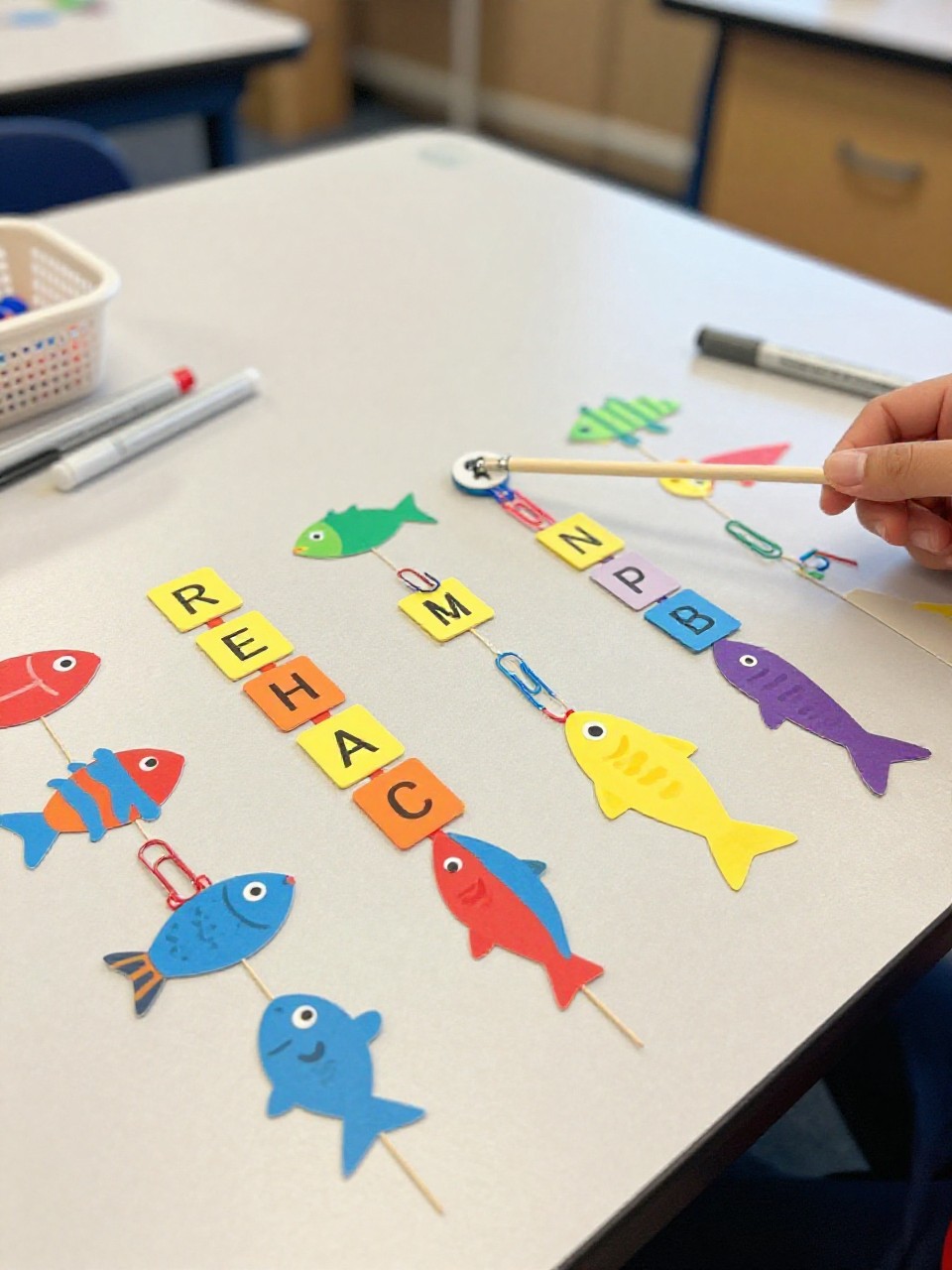
Paper fish with word endings (-at, -ig, -op) and paperclips, plus a stick “rod” with a magnet to catch matches. The game feel boosts phonics practice and keeps kids engaged.
Materials Needed:
- Construction paper fish
- Paperclips
- Dowel or stick
- String and small magnet
- Marker
How to make it:
- 1. Cut fish shapes and write word families on them; add paperclips as “mouths.”
- 2. Tie string to a stick and tape a magnet to the end as the hook.
- 3. Scatter fish and call out beginning sounds to catch a word.
- 4. Read each caught word aloud and sort by family.
12. Recycled Bottle Cap Ten-Frame Board
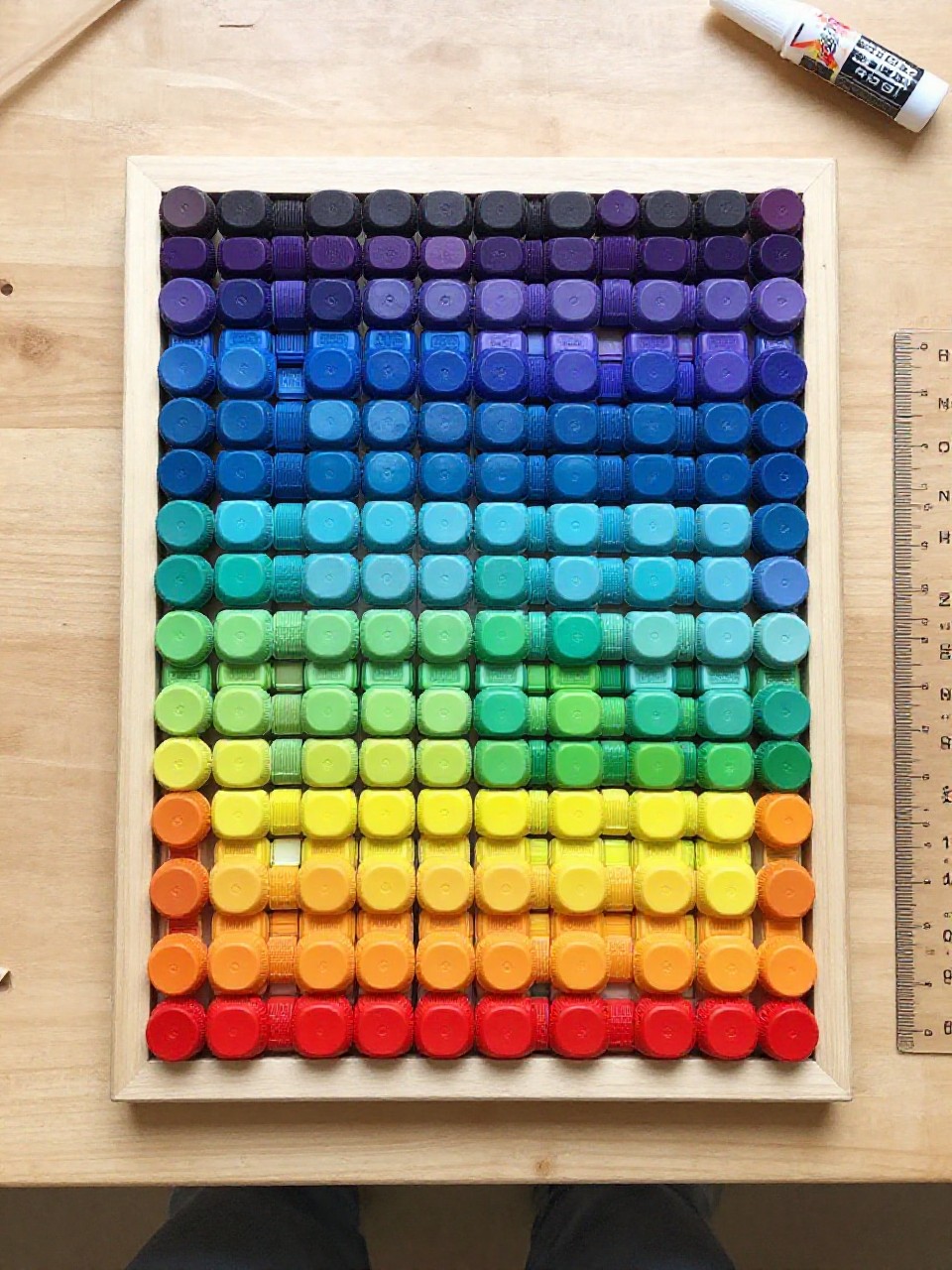
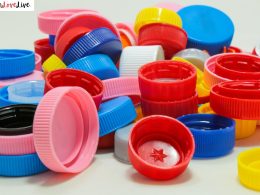
A sturdy ten-frame made from cardboard with bottle caps that kids place to practice counting and addition. Popping caps into the boxes is tactile and helps build number sense.
Materials Needed:
- Cardboard rectangle
- Ruler and marker
- 10 bottle caps
- Paint or stickers (optional)
- Glue (to label spots, not to glue caps)
How to make it:
- 1. Draw a 2×5 grid on cardboard to make a ten-frame; outline in dark marker.
- 2. Number the rows lightly or add small dots as guides.
- 3. Decorate the bottle caps with numbers or colors.
- 4. Use caps to model numbers, addition, and make-10 combinations.
13. Watercolor Salt Map of a Country
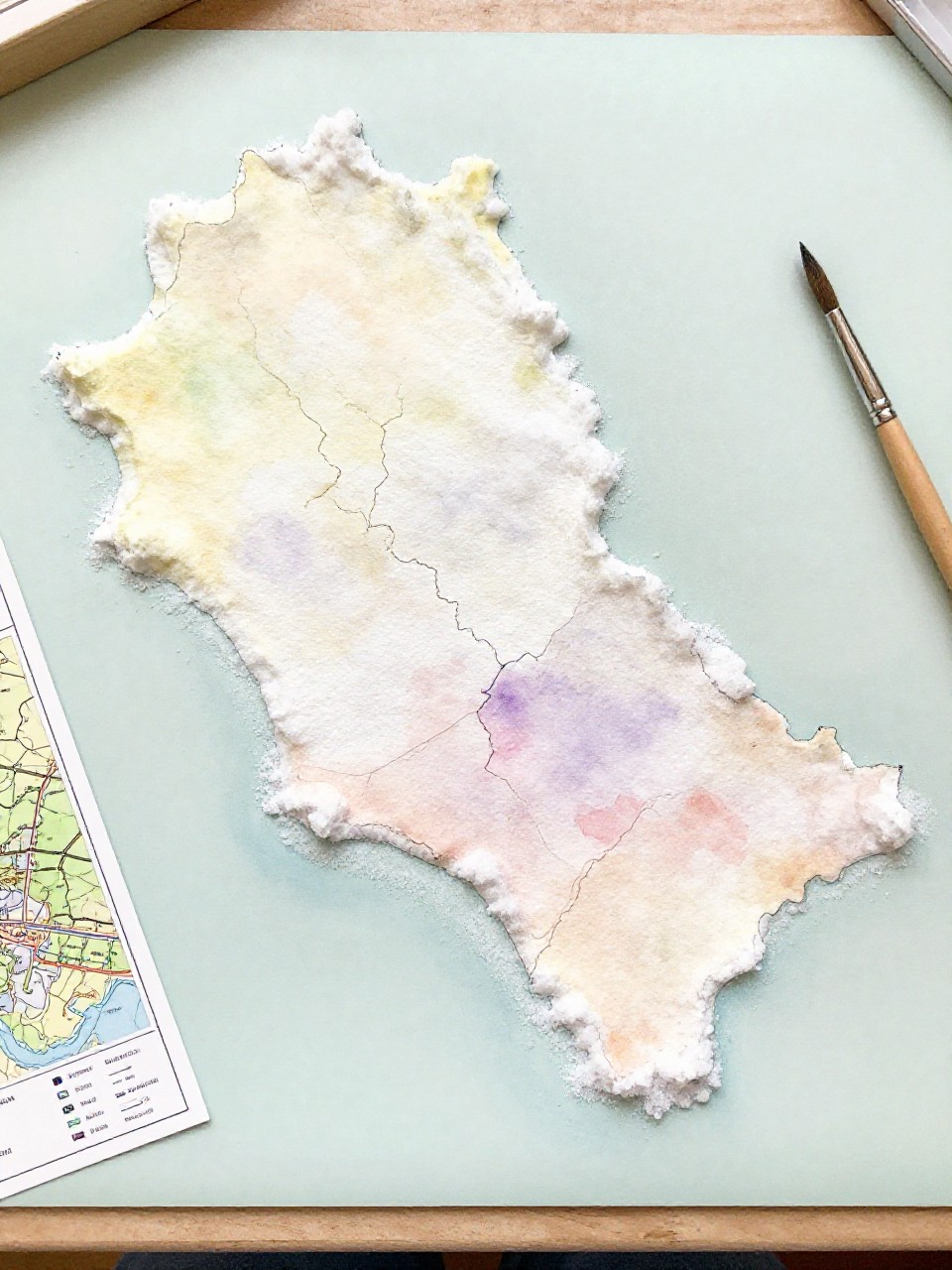
A raised-outline map made with glue and salt, then painted to show mountains, rivers, and capitals. Watching the paint travel along salt lines feels magical while teaching geography.
Materials Needed:
- Heavy paper or watercolor paper
- White glue
- Table salt
- Watercolors and brush
- Reference map
How to make it:
- 1. Lightly sketch the country outline and key features in pencil.
- 2. Trace lines with glue, sprinkle salt on top, shake off extra.
- 3. Touch watercolor to the salted glue and watch colors flow.
- 4. Label features after drying and display for study.
14. Simple Circuit Paper Card
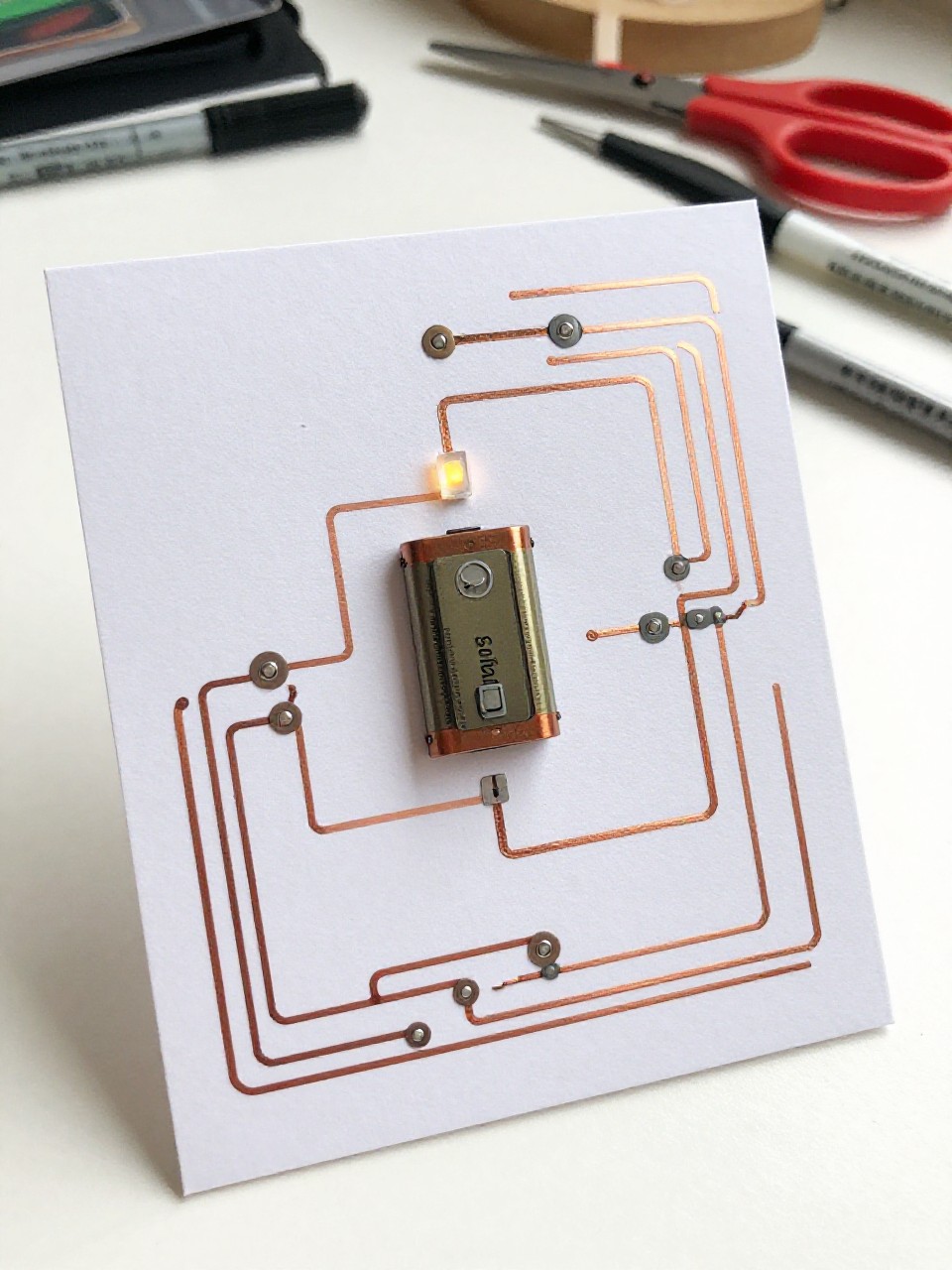
A greeting card that lights a small LED using copper tape, a coin cell battery, and a paper switch. Kids feel proud making a real circuit and learning about electricity safely.
Materials Needed:
- Folded cardstock card
- Copper tape
- Coin cell battery (CR2032)
- LED light (clear or colored)
- Tape and marker
How to make it:
- 1. Sketch a simple path inside the card for positive and negative copper tape lines.
- 2. Stick copper tape along paths, leaving a small gap for a “switch.”
- 3. Tape the battery and LED in place, matching polarity, then close the gap to light it.
- 4. Decorate the card front (star, bug, robot) and test the light-on message.
15. Emotion Faces Flip Book
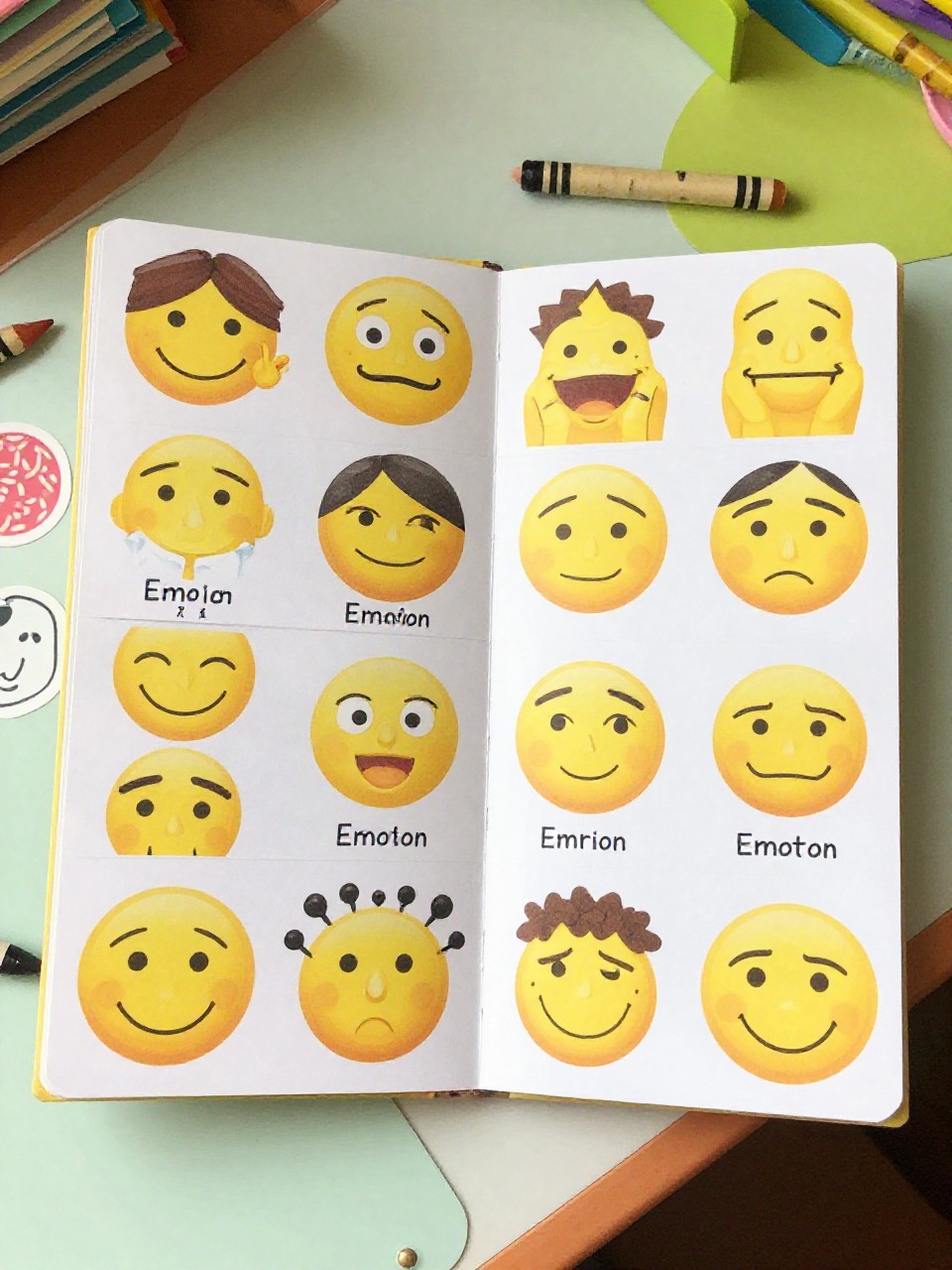
A small flip book with drawn faces showing happy, sad, angry, surprised, and calm; pages split for mixing expressions. Kids enjoy flipping and talking about feelings, which supports social-emotional learning and vocabulary.
Materials Needed:
- Small stack of index cards
- Stapler or ring
- Markers or crayons
- Ruler (optional guides)
- Stickers (optional)
How to make it:
- 1. Divide each card into top (eyes/eyebrows) and bottom (mouth) with a light line.
- 2. Draw different eyes on tops and different mouths on bottoms, then label emotions.
- 3. Stack cards and staple or hole-punch and ring them.
- 4. Flip to combine and discuss how faces change with different feelings.