





Table of Contents Show
Most college shopping lists cover the obvious things, such as notebooks, pens, a laptop, and a backpack. The problem is that many students only notice the smaller missing items after classes begin, usually when they are already busy, tired, or facing an upcoming deadline.
These easy-to-forget supplies can make studying, printing, organizing, and moving between classes much less stressful.
Adding them to your shopping list early can help you avoid last-minute trips to the store and make your first weeks on campus feel more manageable.
1. A Pack of Black and Blue Exam Pens
Many students remember to buy colorful pens but forget that some exams, official forms, and handwritten assignments may require black or blue ink. Keeping several dependable pens in your backpack can save you from having to borrow one moments before class begins.
Choose pens that write smoothly and do not leak easily. It is also helpful to keep a few in your dorm desk, pencil case, and everyday bag so you always have a backup when one runs out or disappears.

For People Who Love to Make Things ✂️
Our recommended options


2. A Small Stapler With Extra Staples
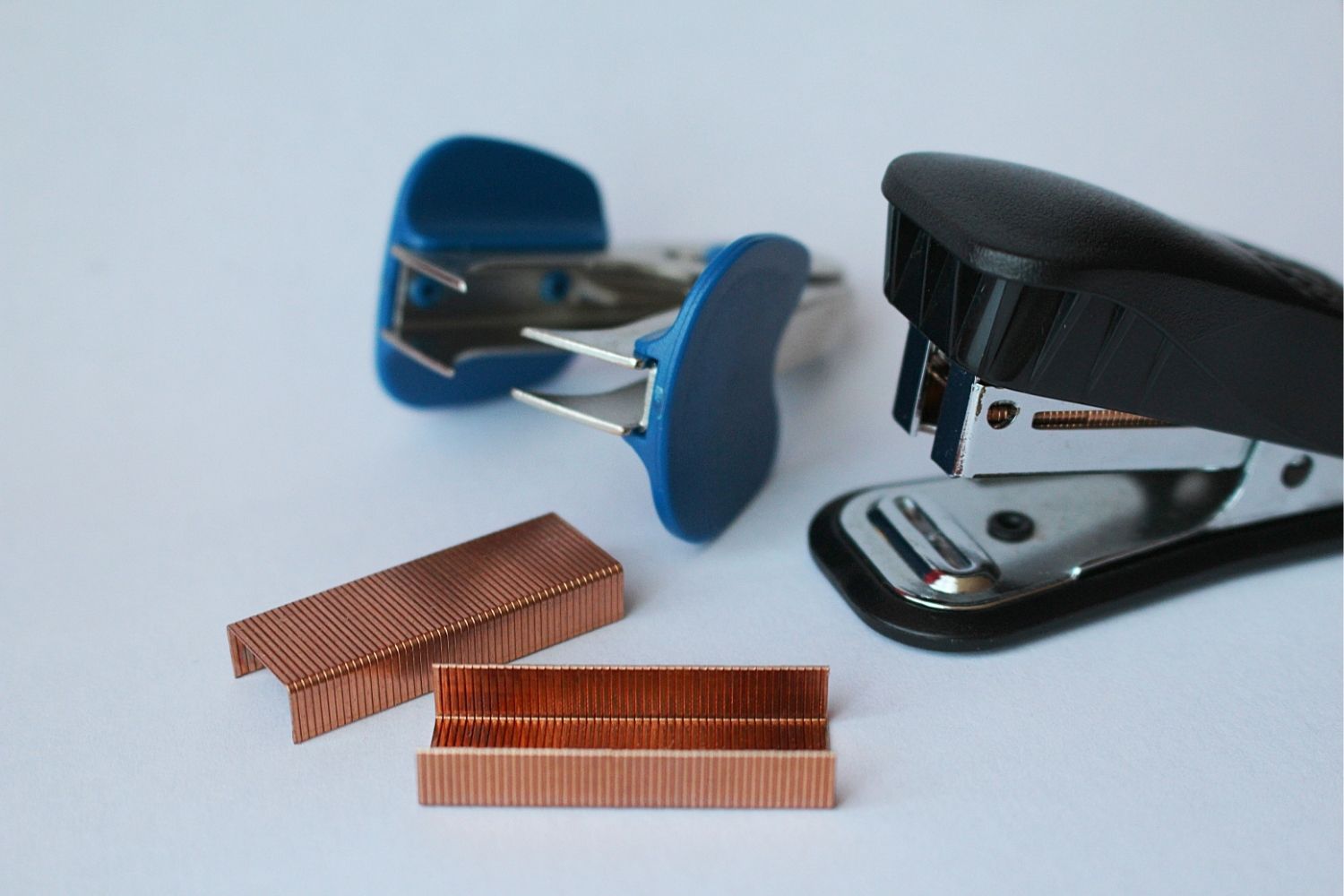
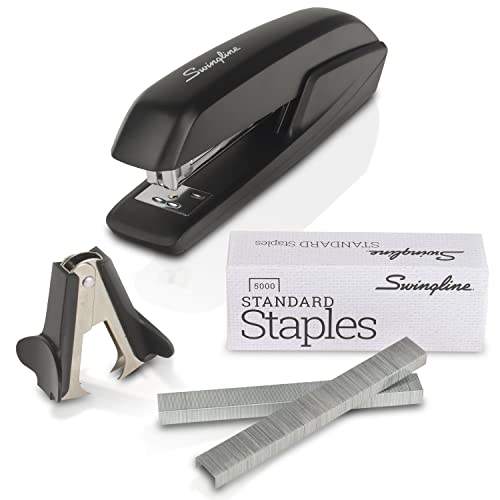
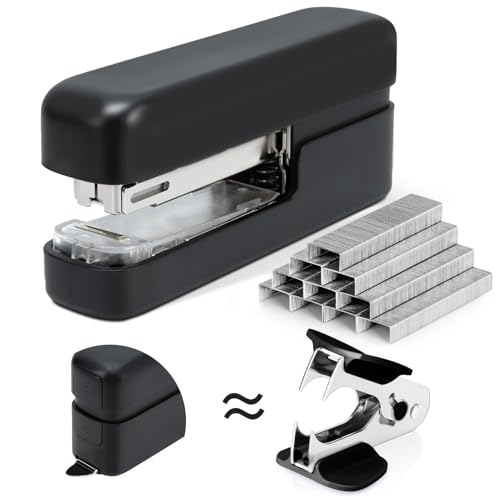
Professors may ask for printed papers, worksheets, lab reports, or project packets to be stapled before submission. A compact stapler is easy to overlook until you are trying to fasten ten pages together shortly before class.
Buy one that can handle more than a few sheets at a time, and include a box of replacement staples. Keeping it near your printer or study area will make it easier to finish assignments without searching the entire dorm for supplies.
Our recommended options
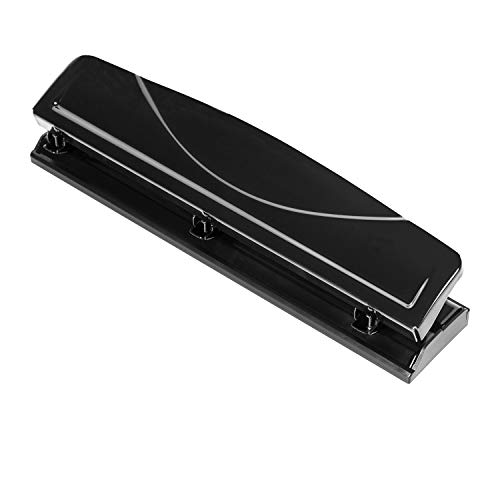
3. A Three-Hole Punch for Printed Notes
Some classes still use printed readings, worksheets, handouts, or lecture slides. A three-hole punch allows you to place these pages neatly inside a binder instead of letting them pile up loose in your backpack.
A small desktop model is usually enough for dorm use. Punching papers as soon as you receive them can help you keep each course organized and reduce the chance of losing an important page before an exam.
Our recommended options


4. Page Flags for Textbooks and Readings

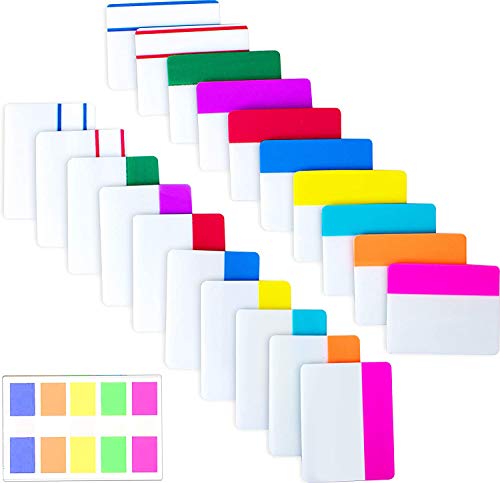
Page flags are useful for marking chapters, important definitions, assignment instructions, and sections you want to revisit. They are especially helpful in rented textbooks because you may not be allowed to write directly on the pages.
Use different colors for separate purposes, such as exam material, questions, important quotes, or unfinished reading. This simple system can make long chapters easier to review and save time when studying.
Our recommended options


5. A Pair of Reliable Scissors
Scissors may not seem like an important college supply until you need to open a package, trim a printed project, cut tape, remove clothing tags, or prepare materials for a presentation. They are one of those basic items students often assume someone else will have.
Choose a medium-sized pair that works for both school and dorm tasks. Keep them in a desk drawer or supply box rather than carrying them loose inside your backpack.
Our recommended options


6. Clear Tape and Removable Mounting Strips
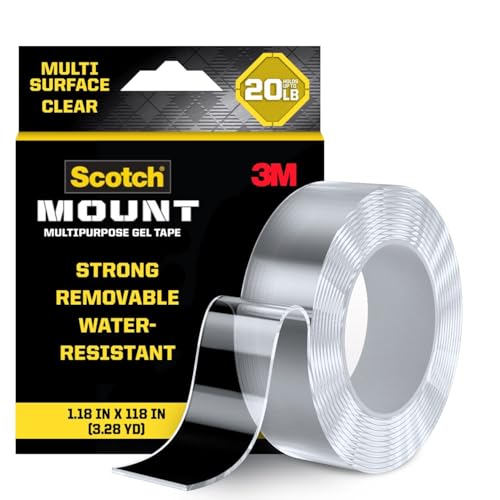
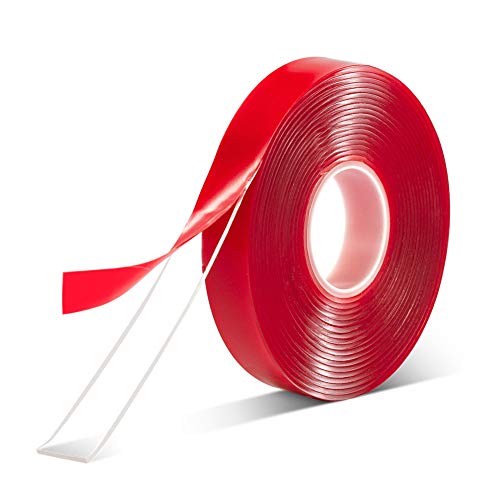
Tape is useful for repairing notes, sealing packages, attaching labels, and handling small classroom projects. Removable mounting strips can help you hang approved decorations, lightweight calendars, or study materials without damaging dorm walls.
Always check your residence hall rules before attaching anything to the walls. Some colleges only allow certain products, and using the wrong adhesive could leave marks or result in repair charges.
Our recommended options

7. A Flash Drive for Quick File Transfers
Cloud storage is convenient, but a flash drive is still helpful when internet access is unreliable or you need to move a file between computers quickly. It can also be useful for presentations, campus printing stations, computer labs, and group projects.
Choose one with enough storage for documents, slides, images, and basic project files. Avoid using it as your only backup, and scan unfamiliar computers before opening files to reduce the risk of malware.
Our recommended options


8. A Folder for Important Loose Papers
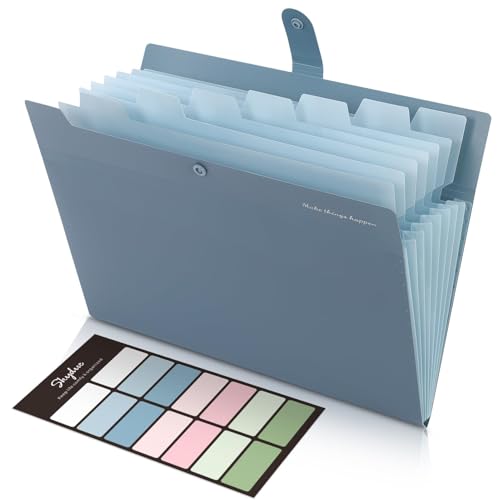
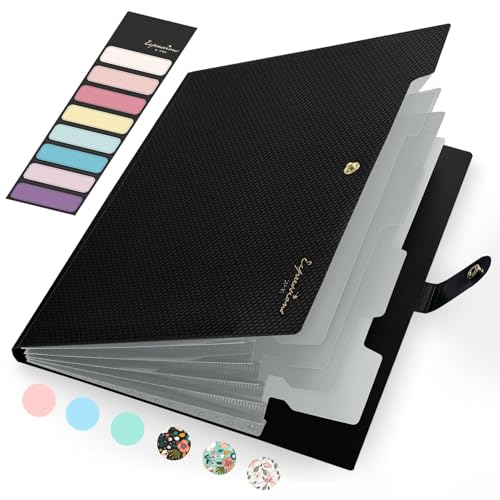
Not every paper needs its own binder. A sturdy folder gives you a place to carry syllabuses, forms, printed assignments, career fair documents, and handouts that have not yet been filed.
A folder with interior pockets is more secure than a simple paper cover. You may also want one folder for each class or one general “inbox” folder for papers that need to be organized later.
Our recommended options

9. A Pack of Printer Paper
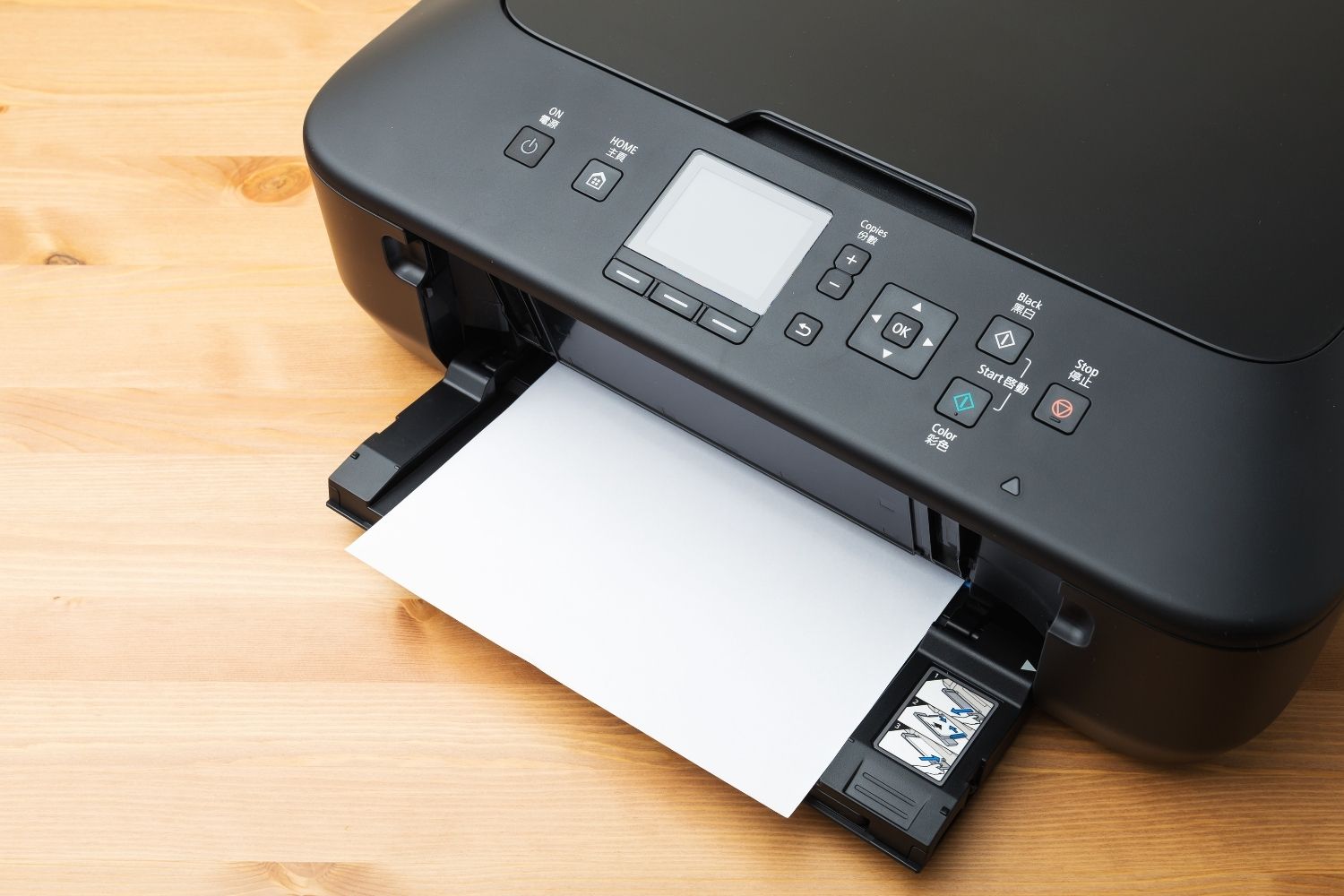
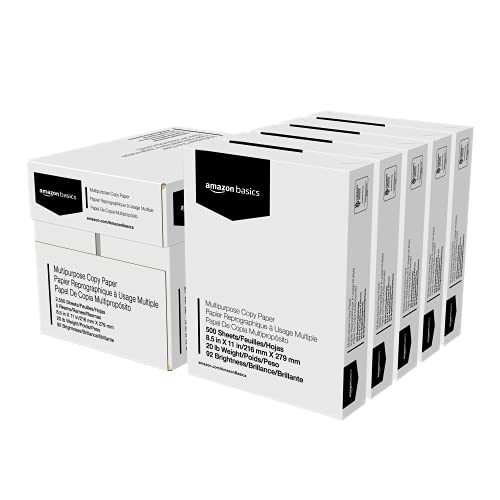
Even students who plan to use campus printers may occasionally need to provide their own paper or print assignments from a personal printer. Printer paper is easy to forget because it is not usually thought of as a traditional school supply.
One pack should last a long time for most students. Store it flat in a dry place so the pages do not bend, collect dust, or become difficult to feed through a printer.
Our recommended options


10. Printer Ink or Toner Refills
A personal printer is only useful when it has ink. Many students remember to bring the printer but forget to buy a spare cartridge, which usually becomes a problem late at night or just before an assignment is due.
Check the exact cartridge number before shopping because similar printer models may use different supplies. Keeping one unopened replacement nearby can prevent an unnecessary emergency during exam or project season.
Our recommended options


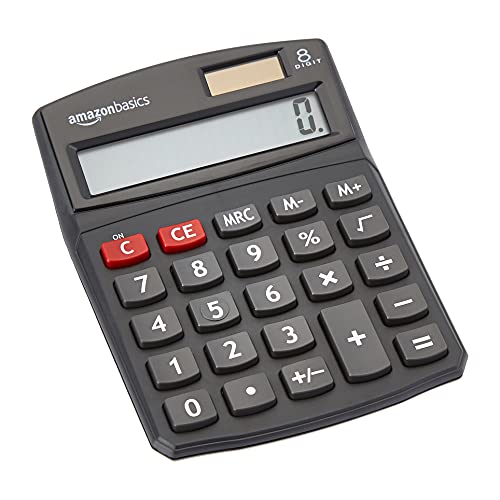
11. A Basic Calculator
Phones and laptops have calculators, but some professors do not allow them during quizzes or exams. Depending on your course, you may need a basic, scientific, graphing, or financial calculator.
Check your course syllabus or department recommendations before buying an expensive model. Some classes require specific calculators, while others ban models with advanced storage or internet features.
Our recommended options


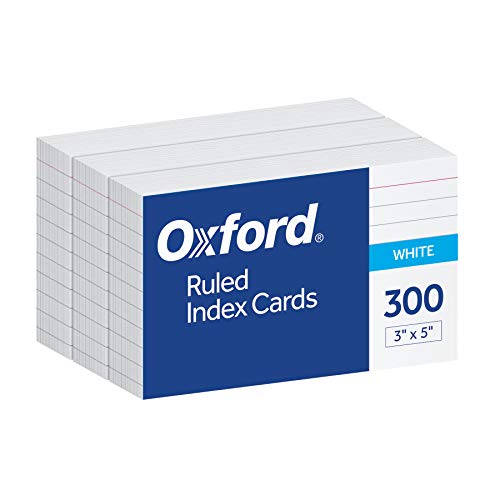
12. Index Cards for Active Recall

Index cards can be used for vocabulary, formulas, presentation notes, practice questions, and quick review sessions. They are especially useful for active recall, which involves testing what you know instead of only rereading your notes.
Keep a small stack in your backpack for studying between classes. A few binder rings or card boxes can help you separate completed cards from topics that still need more practice.
Our recommended options


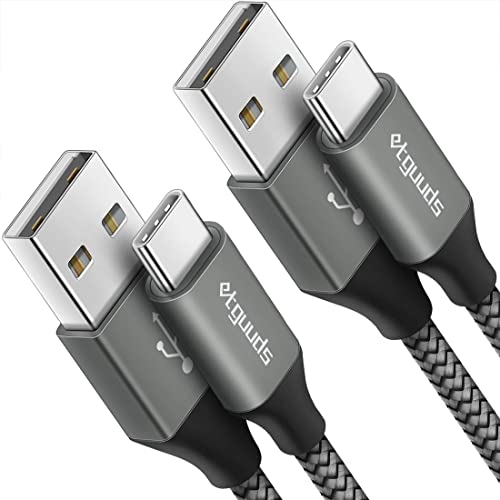
13. A Long Charging Cable
Short charging cables can be frustrating in classrooms, libraries, and dorm rooms where outlets are far from your desk or bed. A longer cable gives you more freedom to use your phone, tablet, or laptop while it is charging.
Look for a strong braided cable that matches your device and supports the correct charging speed. Labeling it with your name or initials can also prevent it from being mixed up during group study sessions.
Our recommended options


14. A Pencil Case for Small Supplies
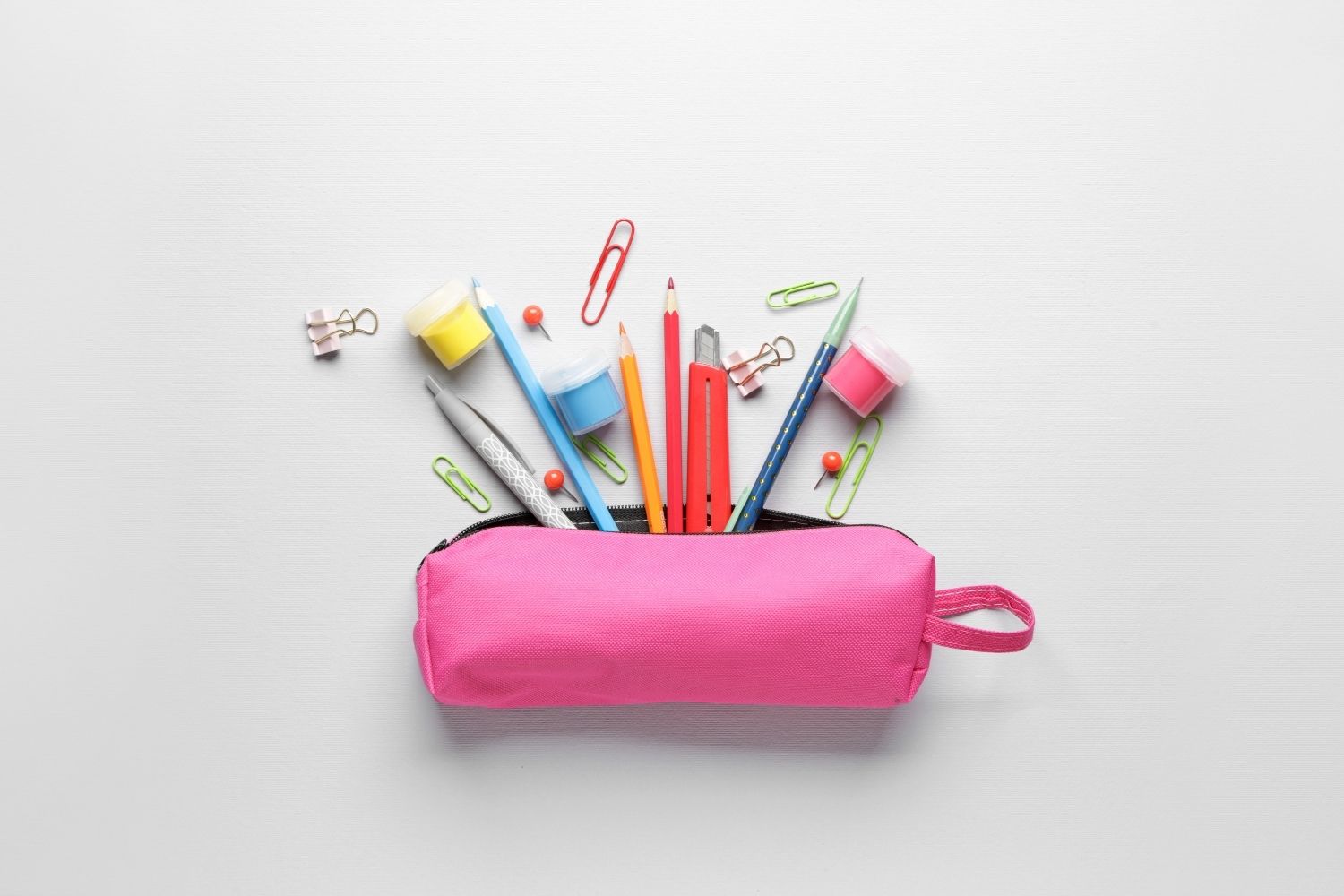
Loose pens, highlighters, flash drives, charging adapters, sticky notes, and earbuds can quickly disappear at the bottom of a backpack. A pencil case keeps smaller school supplies together and makes it easier to move between classes without forgetting something.
Choose one that opens wide enough to see everything inside but is still compact enough for your bag. A case with separate sections can help you organize writing tools, technology accessories, and small personal items without creating clutter.
Our recommended options