





Table of Contents Show
Fall can feel comforting, but the change in weather often affects more than your wardrobe. Cooler air may leave your skin feeling dry, shorter days can change your energy, and a busy end-of-year schedule can make it harder to slow down.
A good fall self-care routine should help you feel supported without taking over your entire day.
These ideas combine beauty, rest, movement, organization, and emotional care so you can create a seasonal routine that works with your real life.
1. Begin the Day With a Gentle Fall Morning Routine

A rushed morning can leave you feeling behind before the day has properly started. During fall, try creating a softer routine that gives your body and mind enough time to wake up.
Open the curtains as soon as you get up so you can take advantage of the morning light. Drink a glass of water, wash your face, and spend a few minutes stretching before reaching for your phone. You can then prepare a warm drink and eat a simple breakfast that keeps you satisfied.

For People Who Love to Make Things ✂️
Your routine does not need to begin at 5 a.m. or include ten different habits. Even 15 quiet minutes before checking messages can make the morning feel more manageable.
2. Build a Richer Face and Body Moisturizing Routine
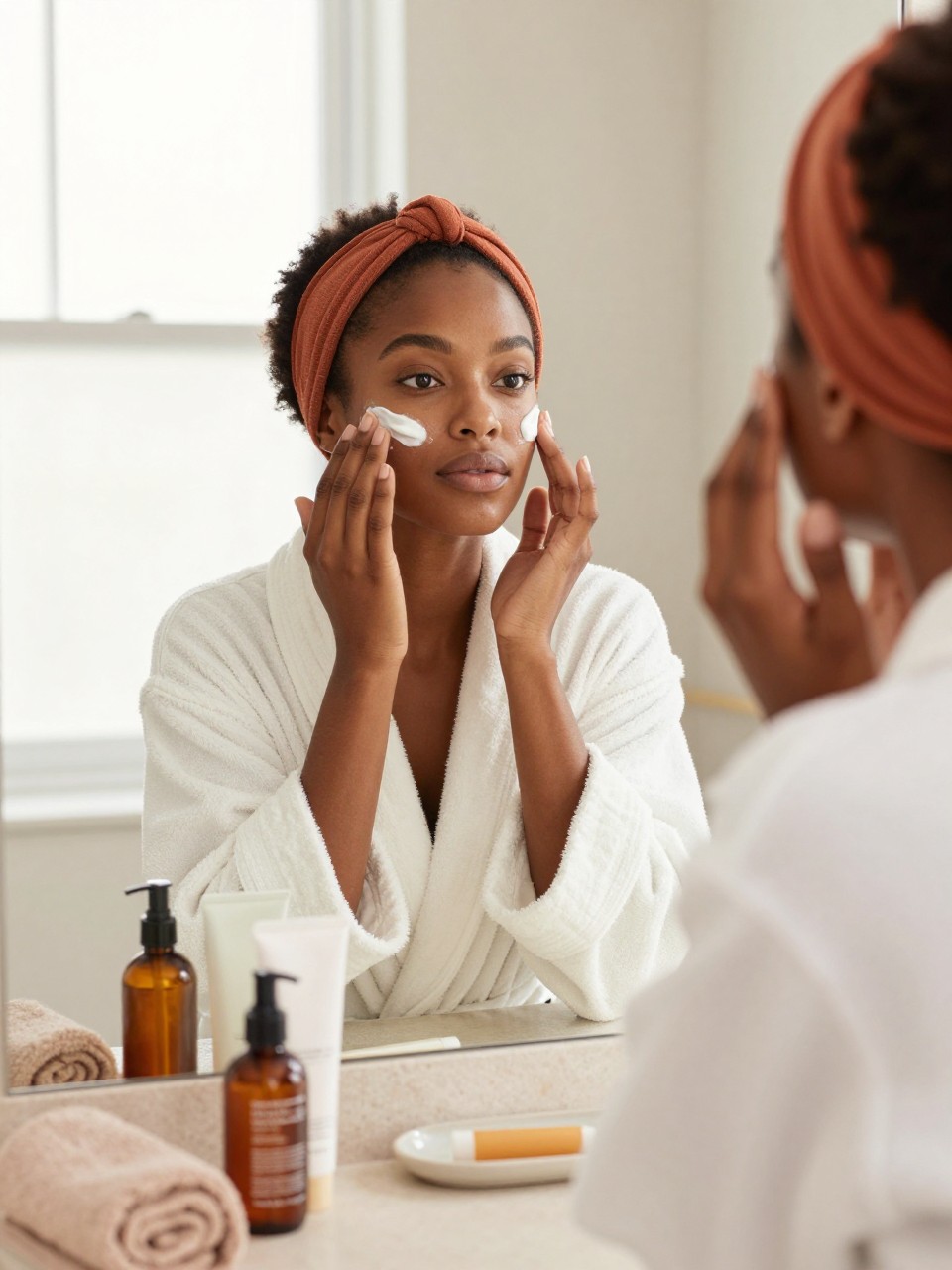
Dryness often becomes more noticeable when temperatures drop and indoor heating is turned on. Fall is a good time to replace very lightweight products with formulas that help your skin hold onto moisture.
After cleansing, apply your hydrating products while your skin is still slightly damp. Follow with a moisturizer that feels comfortable rather than greasy. Continue using sunscreen during the day, even when the sky looks cloudy.
For your body, apply lotion or cream immediately after showering. Give extra attention to your elbows, knees, hands, ankles, and heels. Keeping a small hand cream in your bag can also prevent your hands from becoming rough after frequent washing.
3. Schedule a Weekly Hair and Scalp Reset
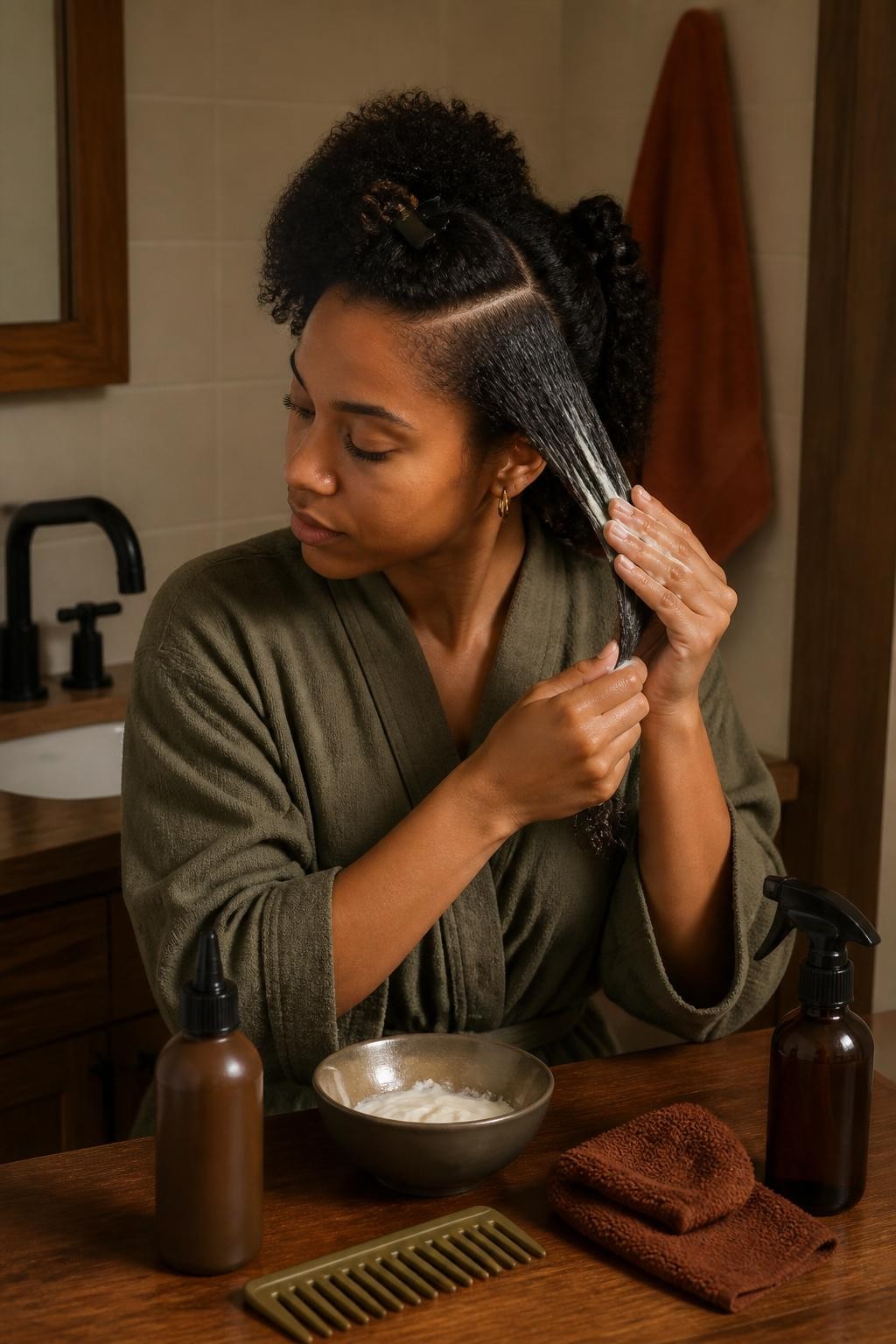
Fall weather can leave your hair feeling dry, dull, or more difficult to manage. A regular wash-day routine can help you care for your scalp while keeping your hair soft and easier to style.
Begin by gently detangling your hair in sections. Cleanse your scalp thoroughly, especially if you use oils, dry shampoo, gels, or protective styles. Follow with conditioner, and use a deeper treatment when your hair needs extra softness.
Allow your hair to dry properly before going outdoors in cold weather. You can also protect it at night with a silk or satin scarf, bonnet, or pillowcase to reduce friction and help your style last longer.
4. Prepare a Seasonal Self-Care Basket
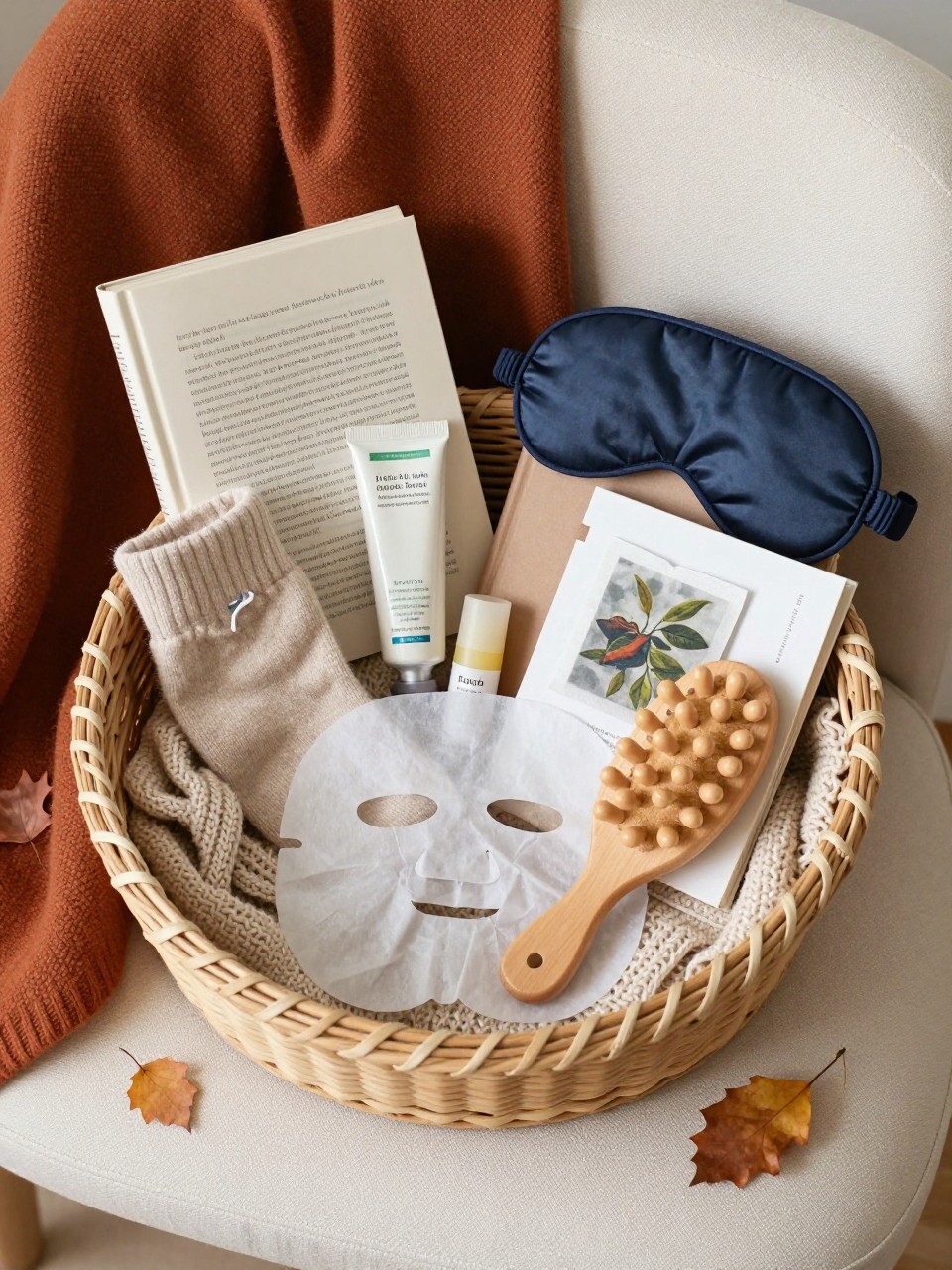
A self-care basket makes it easier to rest without spending half of your free time searching for everything you need. Keep it near your bed, sofa, or favorite chair so you can reach for it during quiet evenings.
Fill the basket with things you genuinely use. This might include lip balm, hand cream, tea, a journal, a book, a sleep mask, comfortable socks, or a heat pack. Avoid filling it with products simply because they look attractive.
Refresh the basket every few weeks. Remove empty products, wash reusable items, and replace anything that no longer feels helpful. The goal is convenience, not decoration.
5. Add Warm, Nourishing Meals to Your Weekly Plan

Self-care also means feeding yourself regularly. When the weather cools, warm meals can feel comforting and may be easier to prepare in larger batches.
Choose a few simple dishes you can make once and eat more than once. Soups, stews, roasted vegetables, rice bowls, baked potatoes, pasta, oats, and warm breakfast dishes can all work well.
Try to include a balance of protein, carbohydrates, vegetables, and healthy fats rather than relying only on snacks. Keep frozen vegetables, canned beans, eggs, yogurt, fruit, or other easy ingredients available for days when you do not feel like cooking.
6. Create a Relaxing After-Work Transition

Work stress can follow you into the evening when there is no clear break between professional responsibilities and personal time. A short transition routine can help you leave the day behind.
When you get home, change into comfortable clothes, wash your hands and face, and put your work items away. Open a window briefly, turn on a lamp, or play one calming song while you prepare a drink.
Avoid immediately lying in bed with your phone if that usually leaves you feeling more tired. Instead, give yourself 10 to 20 minutes to reset before deciding what the rest of the evening needs to look like.
7. Follow a Simple Fall Movement Routine

Movement can support your mood, energy, mobility, and sleep, but it does not need to feel intense to count. Fall weather is often comfortable enough for walking, light jogging, cycling, or outdoor stretching.
Choose a routine you can repeat three or four times each week. This might be a 20-minute walk, a short home workout, gentle yoga, or a combination of strength exercises and stretching.
Prepare for colder weather by warming up indoors and wearing layers you can remove. Focus on consistency rather than trying to make every session difficult.
8. Give Yourself a Weekly At-Home Manicure
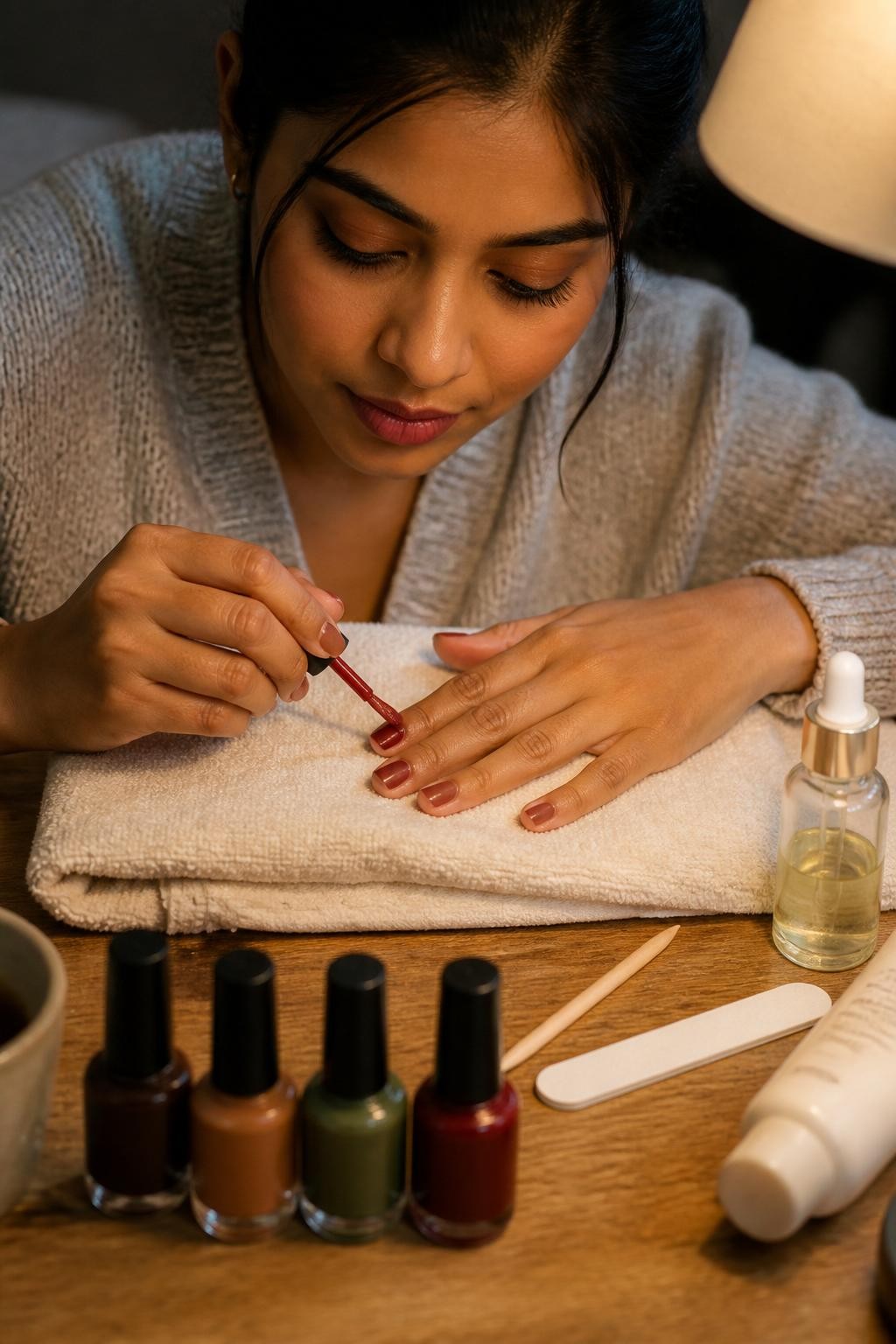
Your hands often need extra care during the cooler months. A weekly manicure can help you maintain your nails while also giving you a quiet activity that does not involve a screen.
Remove old polish, file your nails into a comfortable shape, and gently care for your cuticles without cutting too deeply. Apply hand cream and massage a small amount of oil around each nail.
You can finish with a seasonal polish shade or leave your nails bare with a clear strengthening coat. Deep berry, soft brown, burnt orange, forest green, and creamy nude shades work beautifully for fall.
9. Start a Five-Minute Evening Reflection Practice

A short reflection practice can help you notice patterns in your mood, energy, relationships, and daily habits. It does not need to become a long diary entry.
Each evening, answer three simple questions: What felt good today? What felt difficult? What do I need tomorrow? Write one or two sentences for each answer.
This routine can also help you catch small issues before they grow. You may notice that you need more sleep, fewer commitments, better meals, or a conversation you have been avoiding.
10. Protect One Evening Each Week for Rest

Rest is often treated like something you earn after completing every task. In reality, you may never reach the end of your responsibilities, especially during a busy season.
Choose one evening each week when you avoid unnecessary errands, appointments, and demanding plans. Prepare a simple dinner, take a shower, and do something that helps your body settle.
You might read, watch a comforting movie, stretch, listen to music, or go to bed early. Protecting this time regularly can be more helpful than waiting until you feel completely exhausted.
11. Refresh Your Sleep Routine for Shorter Days

Darker evenings may make you feel sleepy earlier, while late-night scrolling can still keep your mind awake. A consistent sleep routine helps your body understand when the day is ending.
Try to go to bed and wake up around the same time on most days. Lower the lights during the final hour of the evening, stop checking work, and avoid bringing stressful tasks into bed.
Keep your bedroom cool, dark, and comfortable. Use breathable layers so you can adjust your temperature during the night, and wash your bedding regularly to keep the space feeling fresh.
12. Plan a Monthly Personal Check-In Date

A monthly check-in gives you time to look at your life before another month passes unnoticed. You can complete it at home, in a café, at a park, or anywhere that allows you to think clearly.
Review your schedule, finances, health habits, relationships, and current responsibilities. Ask yourself what is working, what feels too heavy, and what you want to change during the next month.
Keep the process honest but kind. The goal is not to criticize everything you failed to do. It is to notice what you need and make a few realistic adjustments.
13. Finish the Week With a Full Home and Beauty Reset

A weekly reset can reduce the number of small decisions you need to make during the next few days. Keep it practical rather than trying to recreate a perfect routine from social media.
Wash your bedding and towels, clean your makeup brushes, restock everyday products, and prepare a few outfits. Review your calendar, write a short grocery list, and tidy the areas you use most often.
End the reset with something relaxing so the entire day does not feel like work. Take a warm shower, apply a face mask, make tea, and go to bed in a clean, comfortable room.
Build a Fall Routine That Supports You
You do not need to follow all 13 routines to take better care of yourself. Start with the areas that currently feel the most neglected. That might be your sleep, skin, meals, movement, or need for quiet time.
Choose two or three routines and practice them until they begin to feel natural. You can always add more later. The best fall self-care routine is not the prettiest or most complicated one. It is the routine that makes your days feel calmer, healthier, and easier to manage.