





Table of Contents Show
Fall offers church groups plenty of opportunities to gather beyond regular services and weekly meetings. The cooler weather makes outdoor events more comfortable, while the season’s slower pace creates room for conversation, service, creativity, and shared meals.
Whether you are planning for adults, families, seniors, youth, or the entire congregation, a thoughtful activity can help people build stronger relationships while blessing the wider community.
These ideas are welcoming, purposeful, and enjoyable for groups of different sizes.
1. Organize a Neighborhood Porch Blessing Route

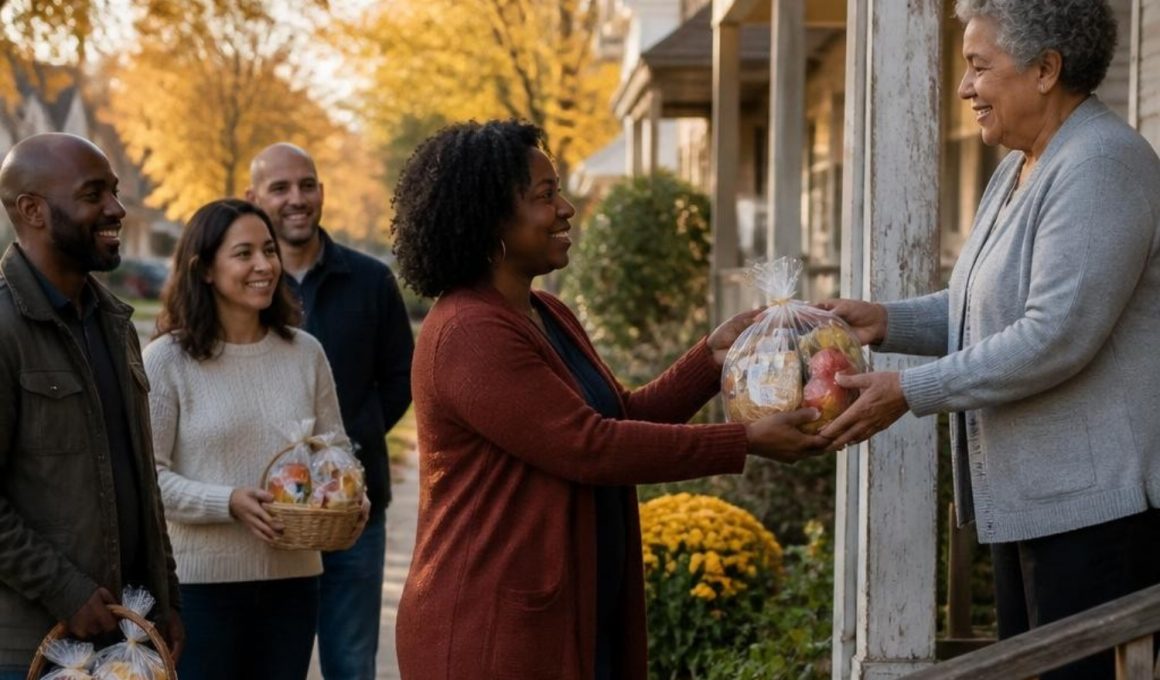
Prepare small seasonal gift bags containing simple items such as tea, fruit, packaged biscuits, bread, or handwritten encouragement cards. Deliver them to nearby seniors, caregivers, new parents, or residents who may appreciate a friendly visit.
Keep each stop brief unless the recipient invites the group to stay longer. The purpose is not to promote an event or pressure anyone into a conversation. It is simply to show kindness, introduce the church to its neighbors, and remind people that someone is thinking about them.

For People Who Love to Make Things ✂️
2. Host a Fall Testimony Supper

Serve a simple meal and invite several members to share short stories about a season when their faith was strengthened, challenged, or renewed. Choose speakers from different generations so the evening reflects a wider range of experiences.
Keep each story to a manageable length and provide clear guidance beforehand so no one feels pressured to reveal private details. Leave time between testimonies for food and conversation, allowing guests to respond naturally rather than turning the gathering into a formal program.
3. Create a Community Recipe and Story Book
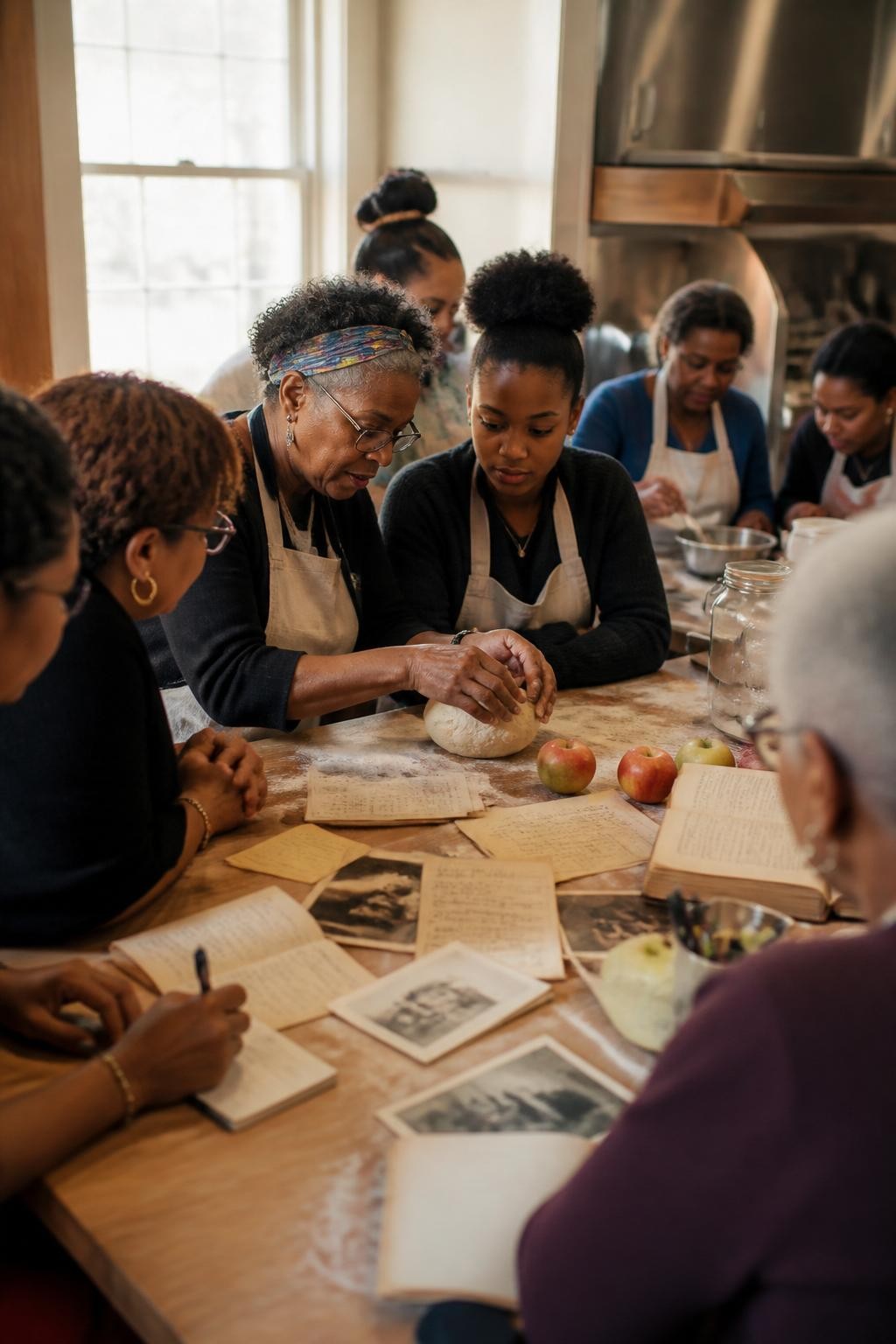
Ask members to contribute a fall recipe connected to their family, culture, childhood, or church community. Encourage them to include a short story explaining who taught them the recipe and when the dish was traditionally served.
Compile the contributions into a printed or digital church cookbook. The group could prepare several dishes during a tasting afternoon, sell copies to support a local cause, or give the finished book to new members as a warm introduction to the community.
4. Plan a Prayer Walk With Community Listening Stops

Choose a safe walking route that passes important community spaces such as schools, hospitals, businesses, parks, and residential areas. Pause at several locations to pray quietly for the people who live and work nearby.
When appropriate, speak with community leaders or residents before the walk and ask what concerns they would like the church to remember. Listening first helps the group pray with greater understanding and may reveal practical needs the church can address later.
5. Build an Intergenerational Skill-Swap Day
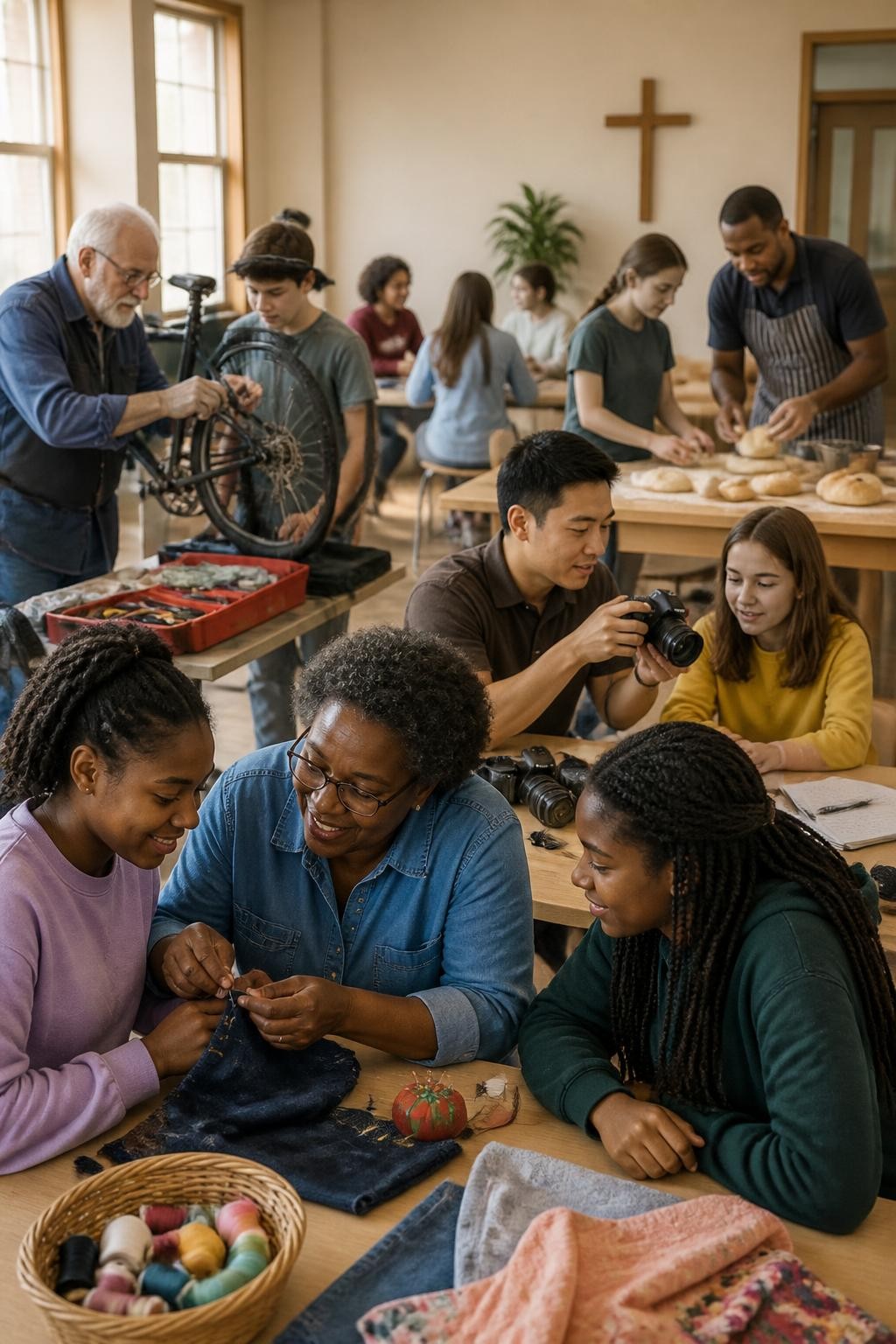
Invite members of different ages to teach one practical skill in a short, beginner-friendly session. Topics could include simple sewing repairs, bread making, budgeting, gardening, phone photography, letter writing, or basic home maintenance.
Arrange several stations and allow participants to rotate between them. The activity gives older members a meaningful way to share experience while younger members can teach useful modern skills. It also creates conversations between people who may not normally meet outside a Sunday service.
6. Arrange a Harvest Table for Local Families
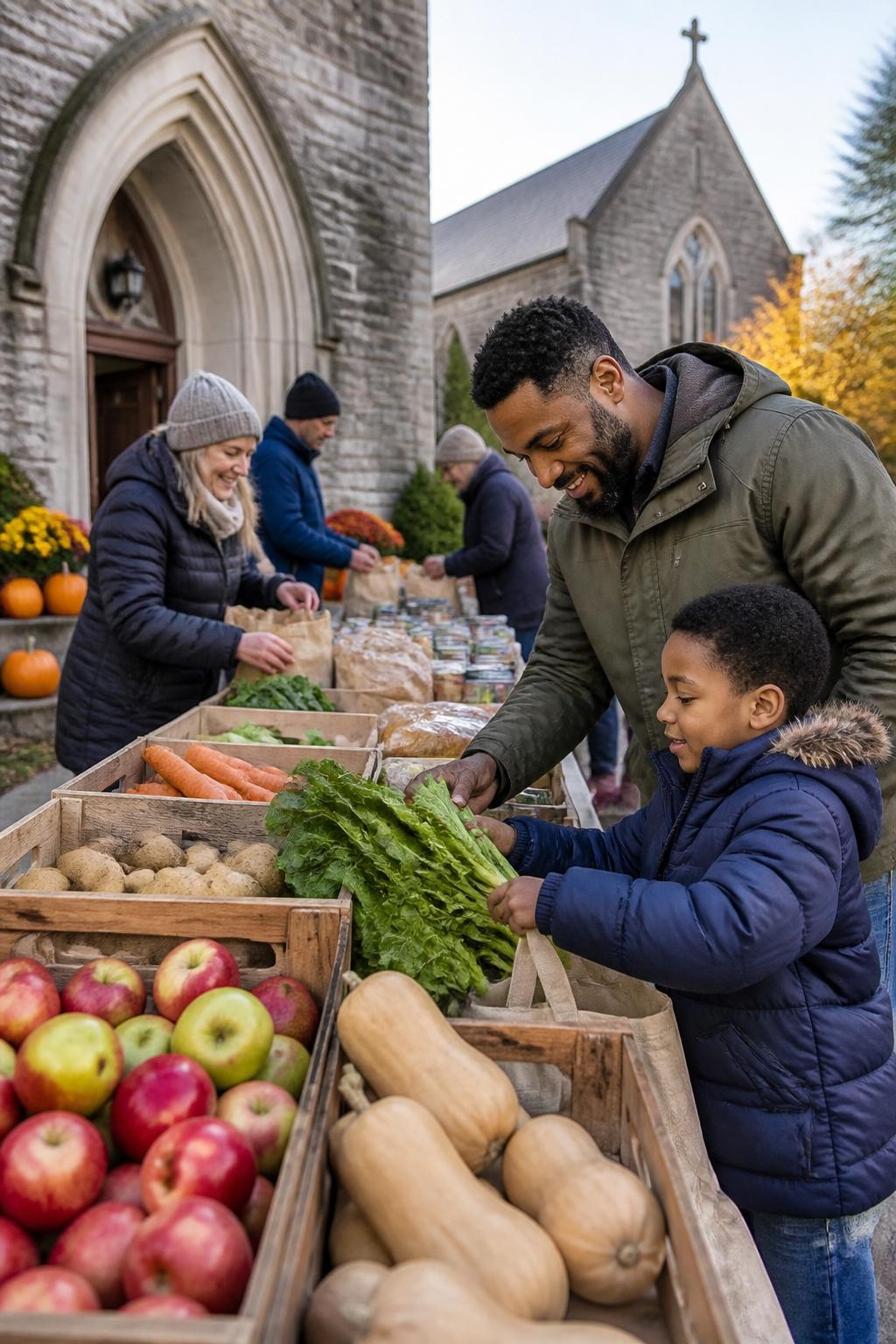
Partner with local farms, grocery stores, gardeners, or congregation members to collect fresh produce and useful pantry staples. Arrange everything on an accessible table where local families can choose what they need without completing a complicated process.
Offer recipe cards showing how to prepare less familiar vegetables and include sturdy bags for carrying food home. Keep the atmosphere respectful and welcoming, allowing people to browse without being questioned about their circumstances.
7. Hold a Hymn and Story Evening
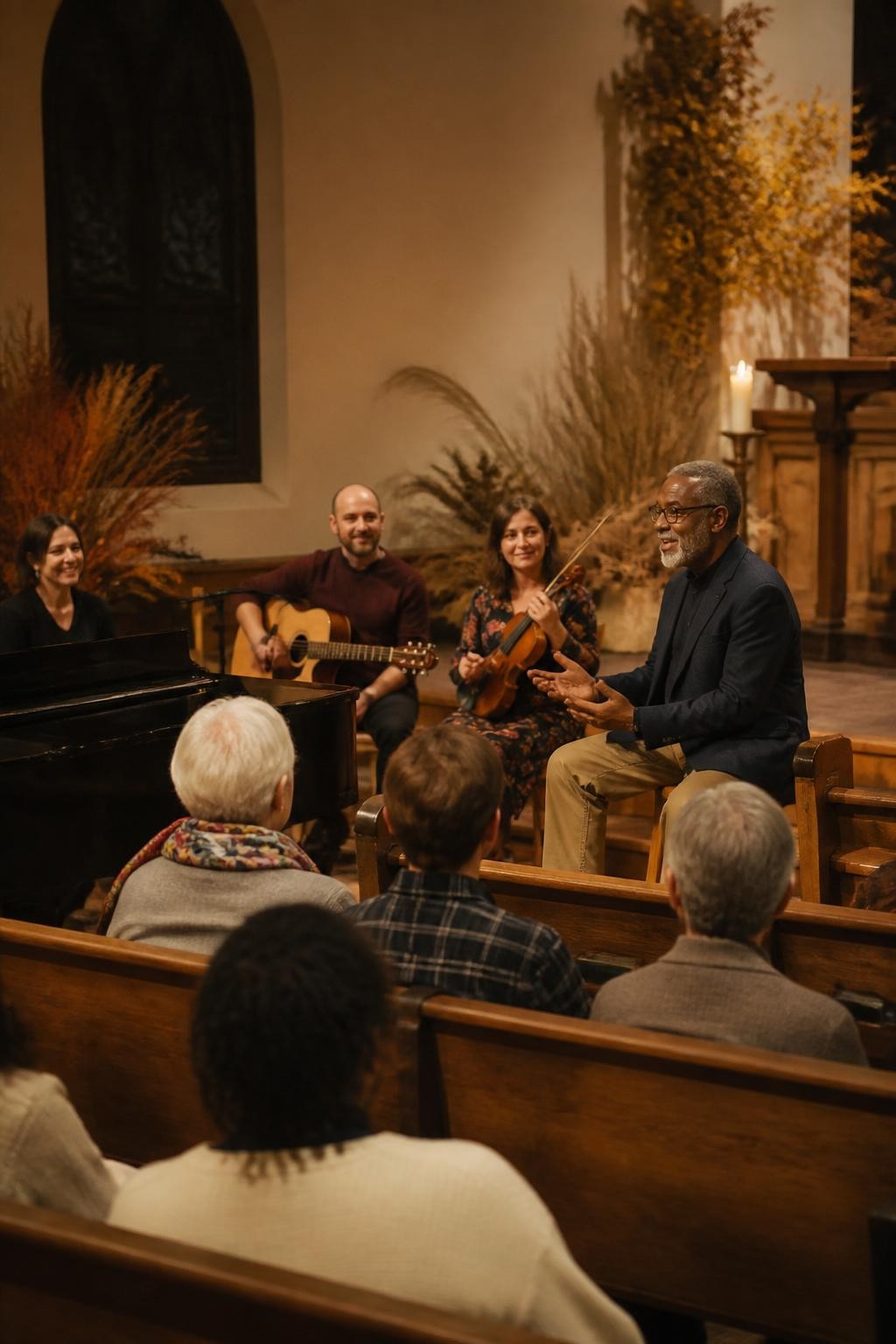
Ask members to suggest hymns or worship songs connected to important moments in their lives. Between songs, invite a few participants to explain why their selection matters and what memory or season it represents.
Mix familiar music with one or two lesser-known pieces taught by the musicians. Keep the evening relaxed, allowing people to sing, listen, or simply reflect. Warm drinks and a simple dessert afterward can create additional time for conversation.
8. Create a Church Grounds Gratitude Trail

Set up several stations around the church grounds, garden, or indoor hall. Each stop can include a different activity, such as writing something you are grateful for, praying for another person, remembering an answered prayer, or leaving an encouraging note.
Design the route so people can complete it quietly at their own pace. Provide seating and an indoor version for anyone with limited mobility or when the weather changes. The completed notes can be displayed on a gratitude wall or kept private.
9. Plan a Fall Service Project Draft

Prepare several possible service projects and allow members to join the one that best matches their interests and abilities. Options might include assembling care packages, cleaning a community garden, helping seniors with light yard work, preparing freezer meals, or sorting food donations.
Appoint a coordinator for each team and give every project a clear finish line. Offering several choices makes it easier for people with different schedules, physical abilities, and skills to contribute meaningfully.
10. Host a Churchwide Autumn Photo Story
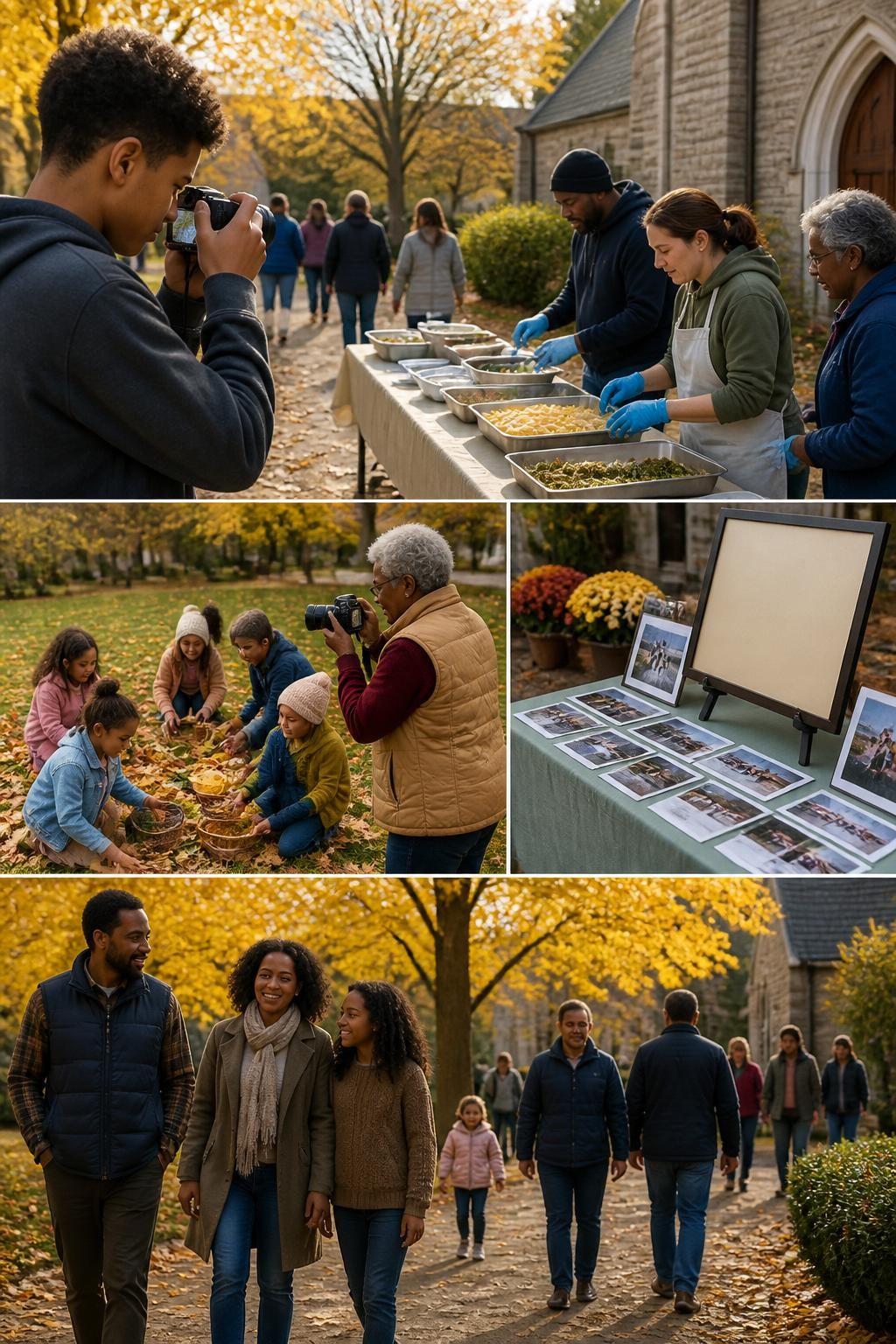
Invite members to photograph small moments that show what community looks like within the church. Images might include volunteers setting tables, children helping seniors, musicians practicing, hands preparing food, or friends talking after an event.
Collect the photographs and arrange them into a digital slideshow, printed display, or small seasonal booklet. Focus on ordinary acts of welcome and service rather than only posed group pictures. Always ask permission before sharing identifiable images publicly.
11. Organize a First-Time Visitor Friendship Lunch
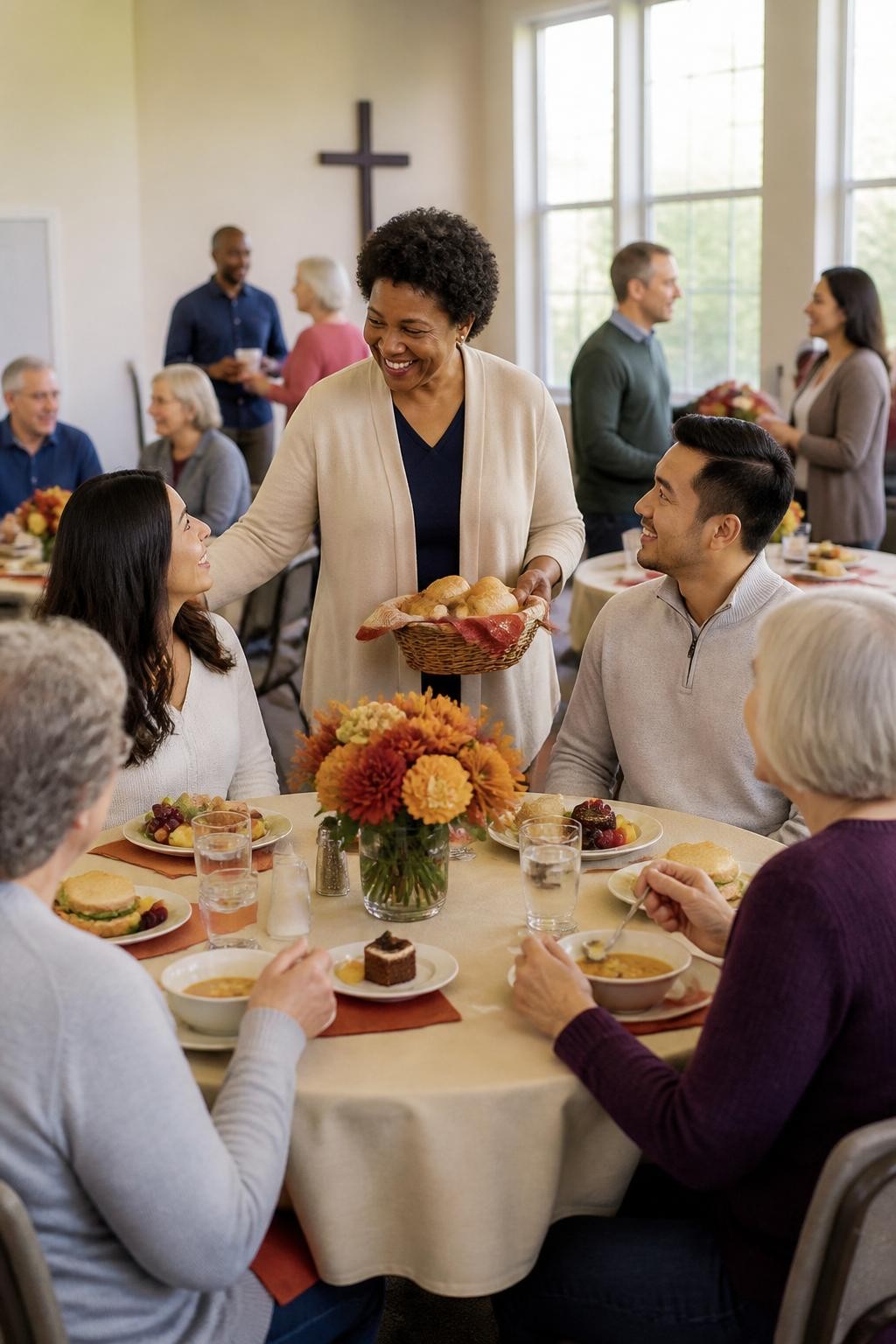
Invite newer attendees, recently joined members, and long-standing members to share a casual lunch after service. Arrange the seating so established friendship groups do not automatically sit together and leave newcomers feeling separate.
Use simple conversation cards with questions about hobbies, favorite local places, work, food, or family traditions. Avoid asking deeply personal questions. The aim is to help people discover genuine points of connection that can continue after the event.
12. Prepare Encouragement Boxes for Caregivers

Identify caregivers within the church or wider community who regularly support children, elderly relatives, or family members with additional needs. Prepare boxes containing useful comfort items, snacks, encouraging notes, and practical help such as meal vouchers.
Consider pairing each gift with a genuine offer of assistance, such as delivering dinner, handling a small errand, or sitting with a loved one for a short period. Check what support would actually be helpful before making promises.
13. Stage a Bible-Era Harvest Meal
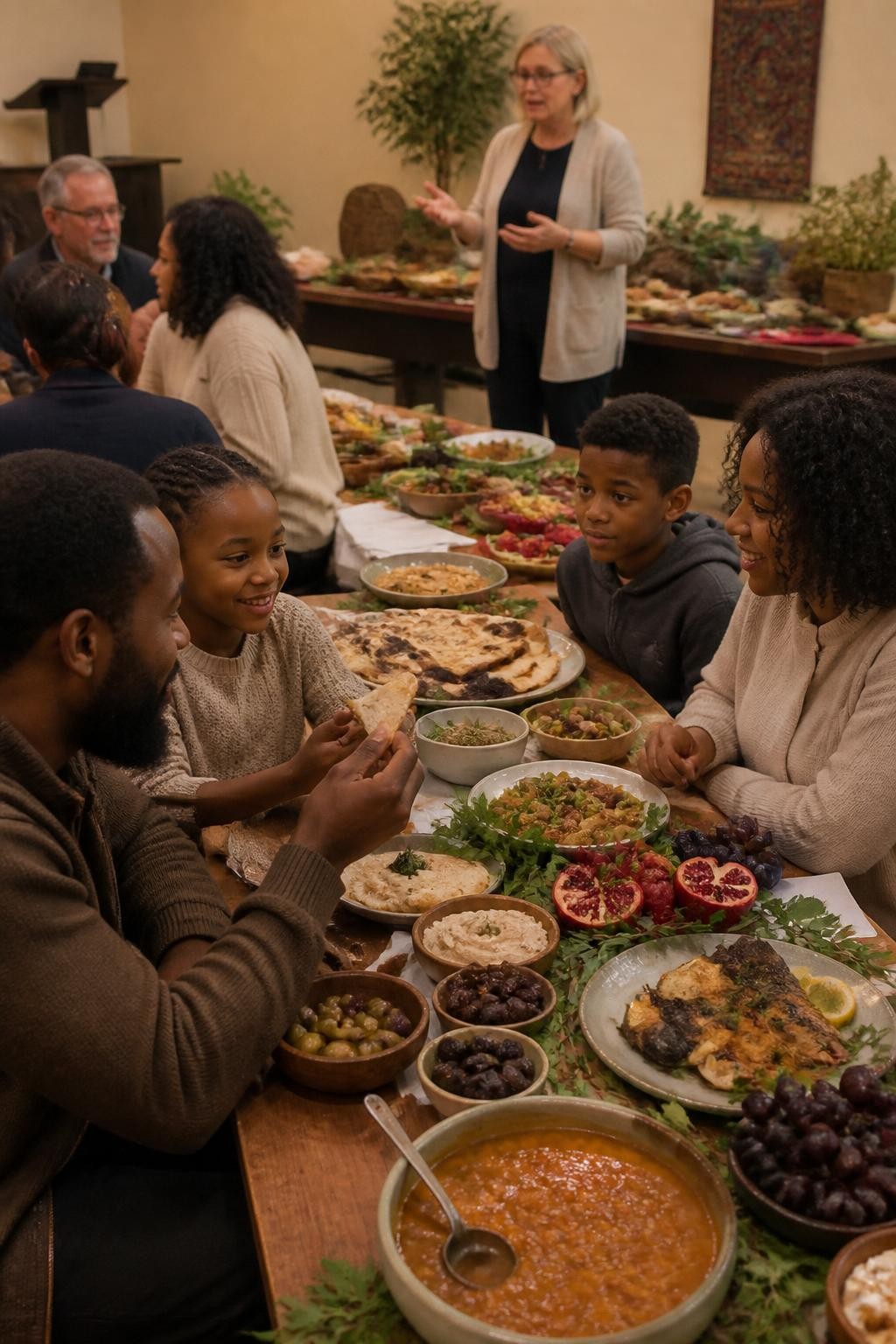
Prepare a meal inspired by ingredients commonly mentioned in biblical passages, such as lentils, bread, olives, dates, figs, grapes, herbs, fish, and honey. Use the gathering to explore how people grew, prepared, and shared food in ancient communities.
Keep the event educational rather than turning it into a costume party. A teacher or small group can introduce each dish and connect it to a relevant passage, agricultural practice, or theme of hospitality and provision.
14. Hold a First-Chilly-Night Community Supper
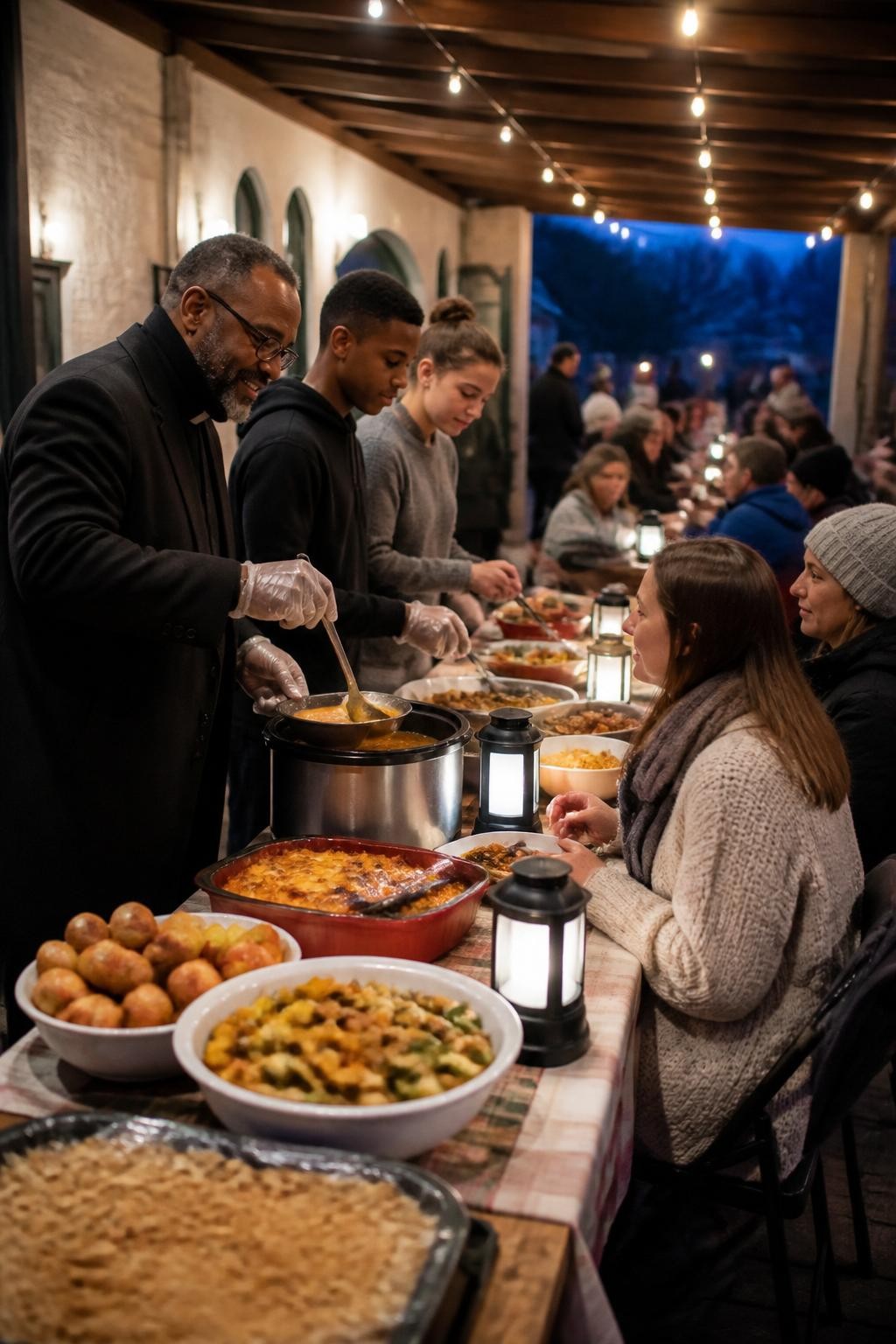
Choose the first noticeably cool evening of the season for a shared supper open to the congregation and nearby community. Serve easy warming dishes that can be prepared in large quantities and accommodate several dietary needs.
Leave room for unstructured conversation rather than filling the entire evening with announcements or presentations. Provide a few simple table prompts about gratitude, community, and hopes for the coming months. A relaxed meal can help unfamiliar people begin forming lasting connections.