


Table of Contents Show
We don’t like to think about emergencies happening at school, but being prepared isn’t about fear—it’s about feeling secure. A sudden lockdown, a power outage, or a bad storm that keeps you in the building can feel a lot less scary if you have a few comforting and useful items within reach.
This kit isn’t for major disasters; it’s for those hours when things are uncertain and you need to stay put. It focuses on small, practical things that can provide comfort, information, and basic care when you might not have access to your locker or the school store.
Let’s build a kit that gives you one less thing to worry about.
1. A Durable, Labeled Pouch or Small Bag
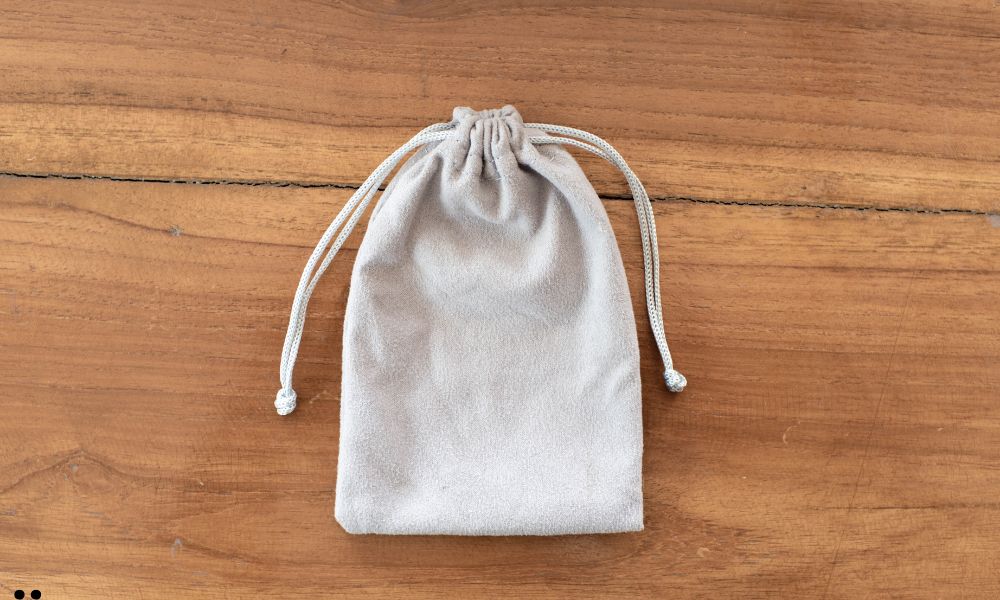
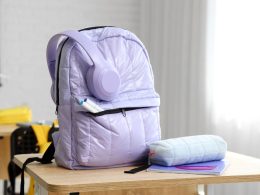
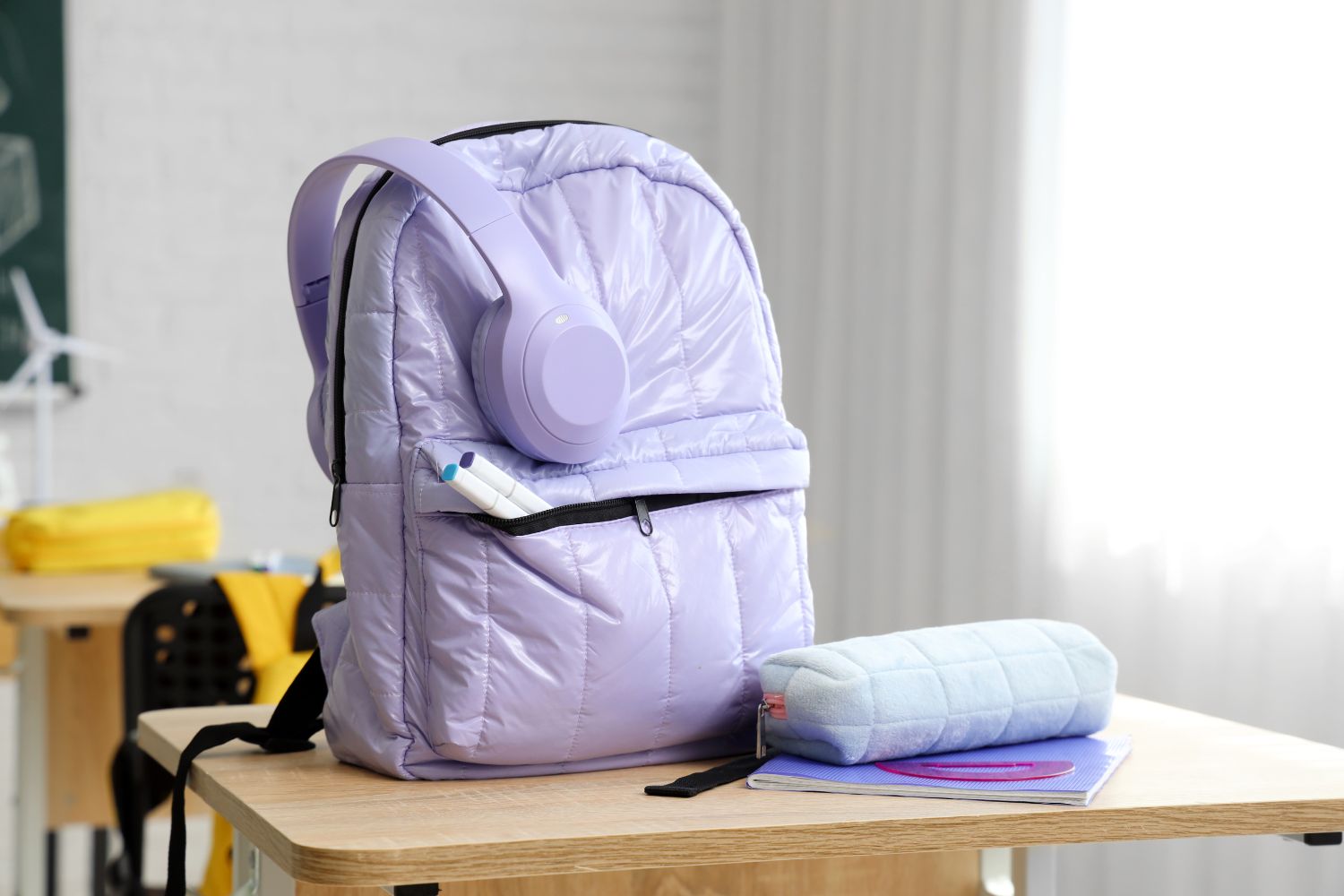
Keep everything together in one place. A small fabric pencil case, a zippered cosmetics bag, or even a heavy-duty gallon-sized freezer bag works perfectly. Write your name and grade on it with a permanent marker so it’s easily identifiable, and keep it in your main backpack.
2. A List of Emergency Contacts on Paper
Your phone might be dead or out of reach. Write down the names and phone numbers of at least two family members or close neighbors who could help. Include your own address and any important medical information, like an allergy, on this same card.

For People Who Love to Make Things ✂️
3. A Compact First-Aid Kit with Basics
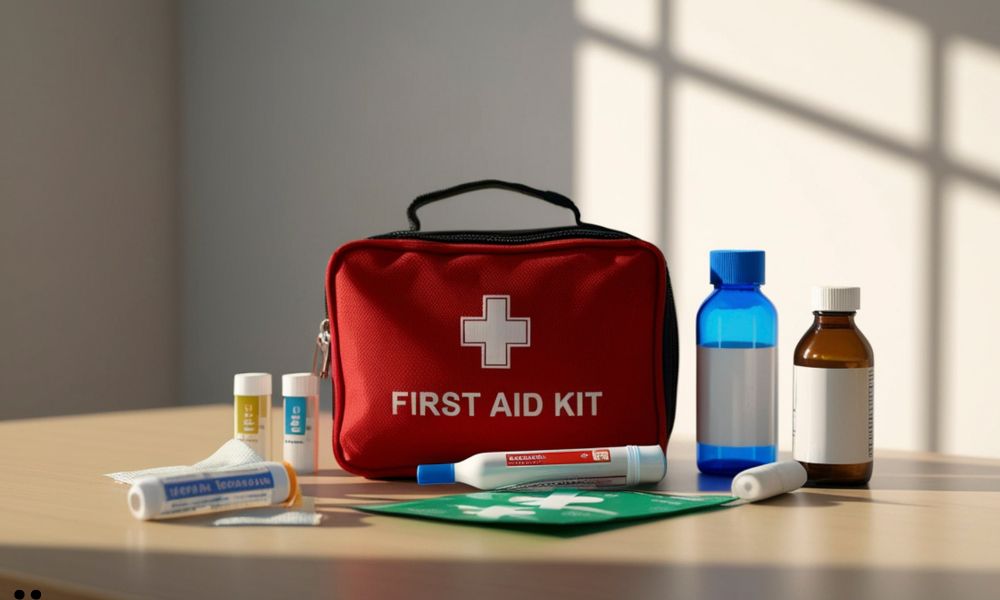
This should include more than just bandages. Pack adhesive bandages of different sizes, antiseptic wipes, gauze pads, medical tape, and a pair of tweezers. It’s enough to handle small cuts, scrapes, or splinters while you wait for further help if needed.
4. A Non-Perishable High-Energy Snack
Choose something that won’t crush or spoil, like a protein bar, a bag of nuts, or a pouch of applesauce. This is not for everyday lunch—it’s a backup for if you’re stuck for a long time and need a bit of energy to stay calm and focused.



5. A Small Bottle of Water
A sealed, 8-ounce bottle of water takes up little space but can be important for taking medication or just having a sip if you’re feeling anxious. Remember to check the expiration date every few months and replace it with a fresh bottle.
6. A Personal Medication Supply
If you take any daily or emergency medication (like an inhaler for asthma or an EpiPen for allergies), this is the most critical item. It should always be in your kit, and your teacher and school nurse should know you have it with you.
7. A Warmth Item Like a Mylar Blanket

Also called a space blanket, this thin, silvery sheet folds down to the size of a deck of cards. If the heat goes out or you’re stuck in a cool place, it can help keep your body heat in and prevent you from getting too cold while waiting.
8. A Mini Flashlight or Keychain Light
A power outage in a windowless room is very dark. A small LED light, preferably one that doesn’t require you to hold a button down, can provide crucial light. Check the batteries every season to make sure it still works.
9. A Whistle to Signal for Help
If you were ever in a situation where you needed to get an adult’s attention quickly and couldn’t yell, a loud whistle is a simple, effective tool. Three short blasts is a universal signal for needing assistance.
10. Comfort Items for Stress

Something small from home can be very calming. This could be a family photo, a small stress ball, a packet of calming herbal tea bags, or even a few sticks of your favorite gum. These items can help manage feelings of worry.
11. A Notepad and a Pencil
A pencil doesn’t need ink that can run out. You can use this to write down instructions, play quiet games with a friend to pass the time, or draw to distract yourself. It’s a simple tool for communication and mental focus.
12. A Portable Phone Charger (Power Bank)
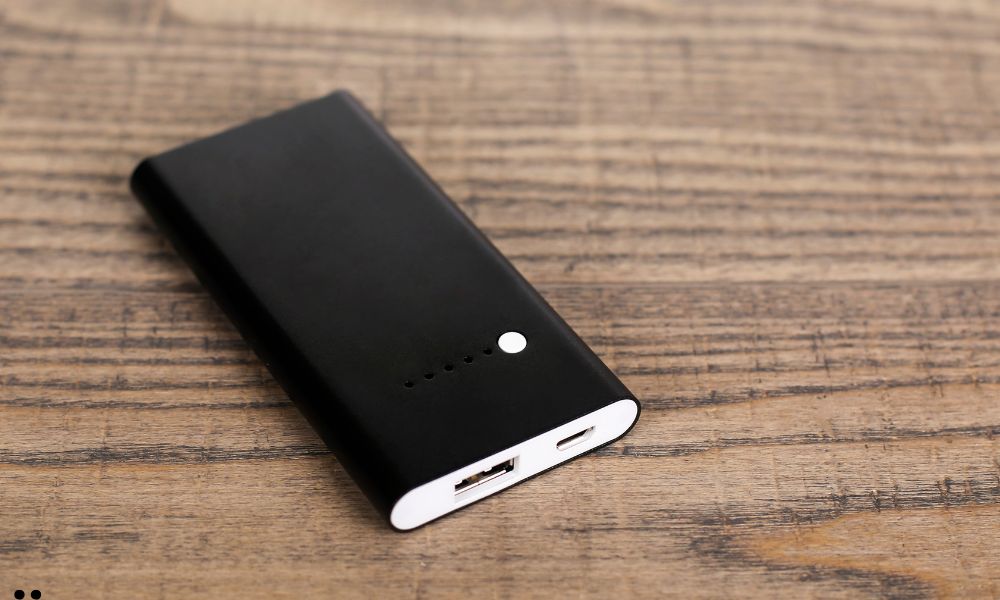
Even if phones aren’t allowed for use during the day, in an emergency, a charged phone is a lifeline. A small, fully-charged power bank can give your phone enough battery to send a text or call a parent when you’re allowed to use it.
13. Basic Personal Hygiene Supplies
A small pack of tissues, a few wet wipes, and travel-sized hand sanitizer can help you feel more comfortable and clean if you’re in one place for a while. Include a couple of feminine hygiene products if applicable.
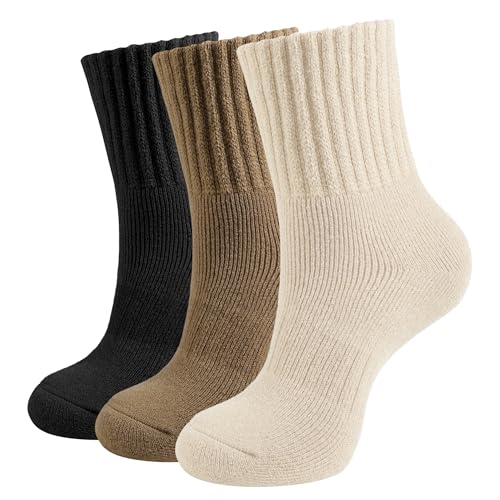
14. A Pair of Comfortable Socks
If you have to shelter in place for a long time, especially on a hard floor, having an extra pair of warm, soft socks to change into can make a big difference in your physical comfort and overall mood.
15. A Quiet Activity Like a Deck of Cards
Something to do helps pass time and calm nerves. A small deck of cards or a tiny book of puzzles (like sudoku or word searches) can provide a quiet, shared distraction for you and classmates nearby.
16. A Copy of Your School’s Emergency Plan
Sometimes, knowing the plan is comforting. If your school provides a handout or diagram about what to do in different situations, fold it up and put it in your kit. It’s a quick reminder of the steps you should follow.
17. A Reminder to Stay Calm
Tape a small note to the inside of your kit with a reassuring message for yourself. It could simply say “Breathe. You are safe. Follow instructions.” In a stressful moment, reading your own familiar handwriting can be a powerful anchor.
Putting this kit together is a responsible and smart thing to do. It turns the unknown into something you have a small measure of control over. Keep it in your backpack all year, check it every season, and then hopefully, you’ll never need to use it at all.